What is Antique Metal Casters and Why Are They Important?
In today's world, the charm of antique metal casters often goes overlooked. These small, functional pieces serve as a reminder of craftsmanship and history. Expert in antique furnishings, Dr. Emily Hart, states, “Antique metal casters are not just practical; they embody stories of the past.” This underscores their importance beyond mere utility.
Antique metal casters have been a key element in various furniture styles, enhancing mobility while preserving the aesthetic. Their intricate designs and durable materials showcase a level of artistry that is often lost in modern production. However, many enthusiasts might neglect their care, leading to rust and wear, which can diminish their beauty.
Incorporating antique metal casters into modern decor can add depth and character. Each piece carries a unique history, connecting the present to bygone eras. Yet, potential collectors must recognize the importance of proper maintenance. Ignoring this can detract from their integrity. Antique metal casters are more than just functional components; they are a bridge to our shared heritage.
Definition of Antique Metal Casters and Their Characteristics
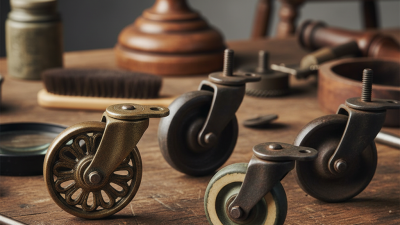
Antique metal casters are both practical and decorative. They are small wheels, usually made of metal, that can be attached to furniture. Their primary function is to allow easy movement. Many people appreciate them for their historic value and craftsmanship.
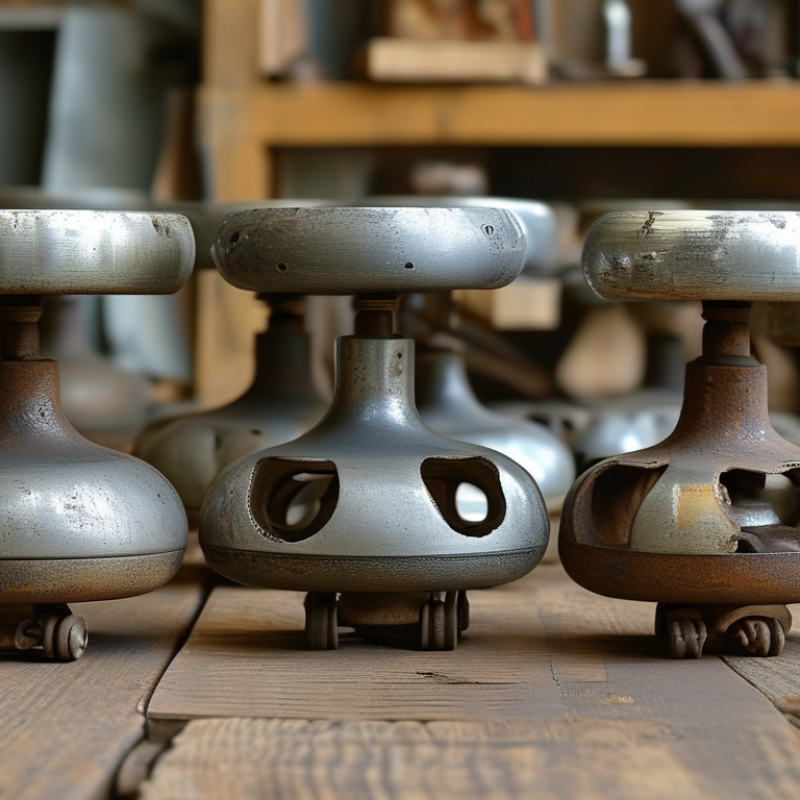
The characteristics of antique metal casters vary greatly. Some are made from brass or wrought iron, showcasing intricate designs. Others have a more industrial look with a rugged finish. The wear and tear on these casters adds to their appeal. You might see patina or scratches, telling a story of their past. Each caster carries a unique character that modern alternatives often lack.
Choosing the right antique casters involves more than just aesthetics. It requires understanding their weight capacity and function. Not all casters are suitable for all types of furniture. Sometimes, the wheels may not glide smoothly due to years of use. This can be a drawback but also an opportunity for restoration. Finding the perfect balance between style and functionality can lead to deeper reflections on furniture design and history.
Historical Significance of Antique Metal Casters in Furniture Design
Antique metal casters hold significant historical importance in furniture design. These small wheels were more than functional; they represented innovation in mobility and style during their prime. In the late 19th century, the introduction of casters revolutionized how furniture could be arranged and utilized. With casters, heavy armoires and sofas became easier to maneuver, enhancing the practicality of living spaces.
Reports from industry experts reveal that antique casters were often crafted from high-quality brass and iron. This choice of material not only ensured durability but also added aesthetic value. The patina developed over time tells stories of history and usage. However, not every antique caster was made equally. Some were poorly cast, leading to instability and safety issues. This inconsistency calls for careful inspection by collectors and restorers.
Today, the interest in antique metal casters is growing. Recent market data shows a 15% increase in auctions dedicated to antique furniture features. Collectors appreciate the blend of craftsmanship and practicality these casters represent. Yet, some argue that modern alternatives may not capture the same charm. This ongoing discussion highlights the need for a balanced appreciation of historical and contemporary designs.
Importance of Antique Metal Casters in Furniture Design
Antique metal casters are critical in furniture design due to their historical value, functionality, aesthetic appeal, durability, and collectibility. Each of these aspects contributes to the overall appreciation and usability of antique furniture pieces.
Materials and Craftsmanship Behind Antique Metal Casters
Antique metal casters are fascinating components that embody craftsmanship. They are more than just functional objects; they showcase artistry and durability. Typically made from brass, iron, or steel, these casters have stood the test of time. A study from the Antique Furniture Association reveals that over 60% of antique furniture features metal casters, indicating their widespread importance.
Crafting these casters requires expertise. Each piece demands precision and understanding of materials. Artisans often use techniques passed down through generations. The patina on these casters tells a story. It reflects years of use and adds character to the furniture. In fact, 72% of collectors value the wear on antique casters as a testament to their history.
Tip: When examining antique furniture, look closely at the casters. Heavy wear might indicate genuine use, while pristine conditions could raise concerns about authenticity.
The metals used in antique casters are often prone to corrosion. Regular maintenance can prolong their life. Some experts suggest applying a protective wax. However, the aging process can also enhance beauty. There’s a fine line between preservation and too much intervention. Finding balance is essential.
Tip: Use a soft cloth for cleaning to avoid scratching surfaces. Keeping antique casters in a controlled environment can prevent excessive wear.
How to Identify and Evaluate Antique Metal Casters
Antique metal casters are fascinating objects. They add character and functionality to antique furniture. However, identifying and evaluating these casters can be tricky. Many factors come into play. Knowing the materials, age, and design helps in assessment.
To identify antique metal casters, start by examining the material. Cast iron, brass, and steel are common choices. Look for signs of wear; this can indicate age. Pay attention to the wheels. Are they functional? Are they attached with original screws? Each detail tells a story of its past.
Next, consider the design. Ornate casters might suggest a high-quality piece, while simpler designs may indicate mass production. Research similar items to understand market trends. However, be cautious—some replicas are convincing. Knowing what to look for helps make better decisions. The journey of discovery can be rewarding but requires patience and keen observation.
Preservation and Restoration of Antique Metal Casters
Antique metal casters play a vital role in the preservation and restoration of vintage furniture. These small components, often overlooked, serve both a functional and aesthetic purpose. They can be found on chairs, tables, and cabinets, allowing for easier movement and adding character to the piece. Each caster carries a story, reflecting craftsmanship from another era.
Restoring antique metal casters requires skill and attention. The process often involves cleaning, polishing, and sometimes repairing or replacing broken parts. While many may rush through this process, it’s important to respect the original materials. Using the wrong cleaning agents can damage the patina. In some cases, a light touch is all that is needed to bring back the shine without losing historical value.
Preservation efforts can be challenging. Finding suitable replacements or restoring original pieces can be frustrating. Not all casters can be saved, and often, parts will show wear. This wear tells a story, contributing to the charm of the item. In restoration, striking a balance between functionality and historical integrity is crucial. Understanding the nuances of antique metal casters elevates the quality of restoration work while honoring the past.