Discover the Best Stem Swivel Casters for Your Projects?
In the world of mobility solutions, stem swivel casters play a pivotal role. They enhance the functionality of countless projects, from industrial setups to everyday furniture. According to Jack Thompson, a renowned expert in caster technology, “The right stem swivel caster can dramatically improve both efficiency and ease of use.”
Choosing the best stem swivel casters is essential for maximizing project success. They come in various designs and weight capacities. Each option offers distinct advantages tailored to specific needs. Many factors need consideration: load bearing, wheel material, and swivel radius. However, navigating through these options can raise challenges. Which type truly meets your requirements?
Delving into the specifics, it becomes clear that not all casters are created equal. Some may fall short in performance or reliability. Reflecting on your project needs is critical. Taking cues from industry experts and user experiences can guide you towards informed choices. Emphasizing quality ensures your investment pays off in the long run.
Understanding Stem Swivel Casters: Definition and Applications
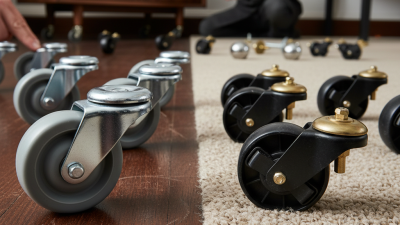
Stem swivel casters are essential tools for a variety of projects. These casters allow smooth movement in multiple directions, making them ideal for furniture and equipment. They consist of a wheel attached to a stem, which can be inserted into a socket. This design ensures easy maneuverability, even in tight spaces.
Applications of stem swivel casters are numerous. They are commonly found in office chairs, shopping carts, and medical equipment. These casters can support substantial weight and are available in different materials. The choice of material affects durability and rolling efficiency. It’s important to consider the floor type as well. Hard surfaces may require softer wheels to prevent damage.
While stem swivel casters provide many advantages, there are drawbacks. They may not lock securely, leading to accidental movement. Users sometimes overlook the maintenance requirement, which can affect performance. Regular cleaning and inspection are vital for longevity. Understanding these nuances can enhance your project outcomes. Consider these factors before making your selection.
Key Features to Look for in Quality Stem Swivel Casters
When selecting stem swivel casters, quality is crucial. One key feature to consider is load capacity. According to the Caster and Equipment Manufacturers Association, casters can sustain loads ranging from 50 to over 3,000 pounds. Knowing your project's requirements ensures you choose a caster that won’t fail under pressure.
Another essential aspect is wheel material. Hard rubber wheels suit smooth surfaces, offering durability and resistance to wear. Conversely, softer materials like polyurethane provide better shock absorption. The right choice depends on your surface type and the desired mobility. An often-overlooked factor is swivel ability. A wider swivel angle can enhance maneuverability, especially in tight spaces. Ensuring your caster has a good swivel feature helps avoid unnecessary frustration during usage.
Braking systems should also not be overlooked. Having reliable brakes can stabilize your projects and prevent unwanted movement. Many users report inconsistency with less reliable braking systems. A proper braking mechanism should not be an afterthought. Quality control varies among manufacturers, highlighting the importance of choosing well-made products. Always inspect reviews and industry data to inform your decision.
Discover the Best Stem Swivel Casters for Your Projects? - Key Features to Look for in Quality Stem Swivel Casters
| Caster Type |
Weight Capacity (lbs) |
Wheel Material |
Swivel Radius (inches) |
Floor Type |
| Stem Swivel Caster A |
250 |
Polyurethane |
5 |
Hardwood |
| Stem Swivel Caster B |
300 |
Rubber |
6 |
Tile |
| Stem Swivel Caster C |
150 |
Nylon |
4 |
Carpet |
| Stem Swivel Caster D |
400 |
Steel |
7 |
Concrete |
Different Types of Stem Swivel Casters and Their Uses
Stem swivel casters come in various types, each serving specific needs. These casters are essential for smooth mobility in many projects. They are commonly found in furniture, carts, and equipment. Understanding their uses is crucial for effective selection.
One common type is the rigid stem caster. This design allows fixed movement in one direction. It is ideal for heavy equipment that requires stability. Another type is the swivel caster, which offers greater maneuverability. It can rotate 360 degrees, making it perfect for tighter spaces.
Sometimes, users struggle to choose the right caster. Poor selection affects efficiency and creates frustration. Consider factors like load capacity, surface type, and swivel radius. Reflecting on these details helps prevent mishaps during your projects. Ultimately, the best choice enhances your workflow and safety.
How to Choose the Right Stem Size and Type for Your Project
Choosing the right stem size and type for swivel casters is crucial for ensuring functionality and safety in your projects. A detailed study by the Industrial Equipment Institute emphasizes that approximately 70% of equipment failures stem from improper caster selection. Therefore, laser-focused attention to size and type can mitigate risks and enhance operational efficiency.
The stem diameter is essential. Sizes generally range from 5/16 inch to 1 inch. A stem that is too narrow can lead to instability. Conversely, an oversized stem might not fit the intended mount, causing friction and wear. Many professionals overlook load ratings, which are vital. For instance, the American National Standards Institute recommends matching caster types with load capacities specific to your project. A mismatch can lead to premature failure or hazards.
Material composition influences performance as well. Rubber and polyurethane options provide cushioning, ideal for quiet environments. Steel casters excel in heavy-duty settings but can damage flooring. Data from the National Manufacturers Association indicates substantial cost savings when the right material is used. Reflecting on materials and sizes can save both time and expenses in the long run. Thus, evaluating these factors thoroughly can ensure a successful project outcome.
Top Stem Swivel Casters Based on Load Capacity
Maintenance Tips for Prolonging the Life of Stem Swivel Casters
Stem swivel casters are essential for a variety of projects. Proper maintenance can significantly extend their life. According to a report by the Caster and Wheel Industry Association, regular care increases caster lifespan by up to 25%. This statistic highlights the importance of ongoing maintenance.
Cleaning is the first step. Dust and debris can accumulate, affecting performance. A simple wipe with a damp cloth can prevent buildup. Lubrication is crucial too. Use a suitable lubricant to keep swivel mechanisms functioning smoothly. Many users overlook this step, leading to unnecessary wear.
Inspecting the casters routinely is vital. Look for signs of damage or wear. This proactive approach helps identify issues before they become severe. According to industry experts, about 15% of casters fail prematurely due to neglect. Being attentive can save time and money in the long run. Always remember to double-check the mounting stem, ensuring it is secure. A loose caster can cause accidents, undermining safety. Regular maintenance isn't just beneficial; it’s essential for optimal performance.