Caster Trolley Wheels Types Benefits and What to Choose?
Caster Trolley Wheels are essential components for various applications. They aid in moving heavy items with ease. Understanding their types and benefits can greatly enhance efficiency in both home and commercial settings.
Different types of Caster Trolley Wheels exist, each designed for specific tasks. For instance, rubber wheels provide smooth movement on floors, while heavy-duty wheels can carry substantial loads. Choosing the right type is crucial to avoid frustrating experiences.
Benefits are plentiful. Proper Caster Trolley Wheels improve workplace safety by reducing injury risk. However, selecting the wrong wheels can lead to issues. Not all wheels fit every situation perfectly, highlighting the need for careful consideration. Users must reflect on their specific needs to make the best choice.
Types of Caster Trolley Wheels: An Overview
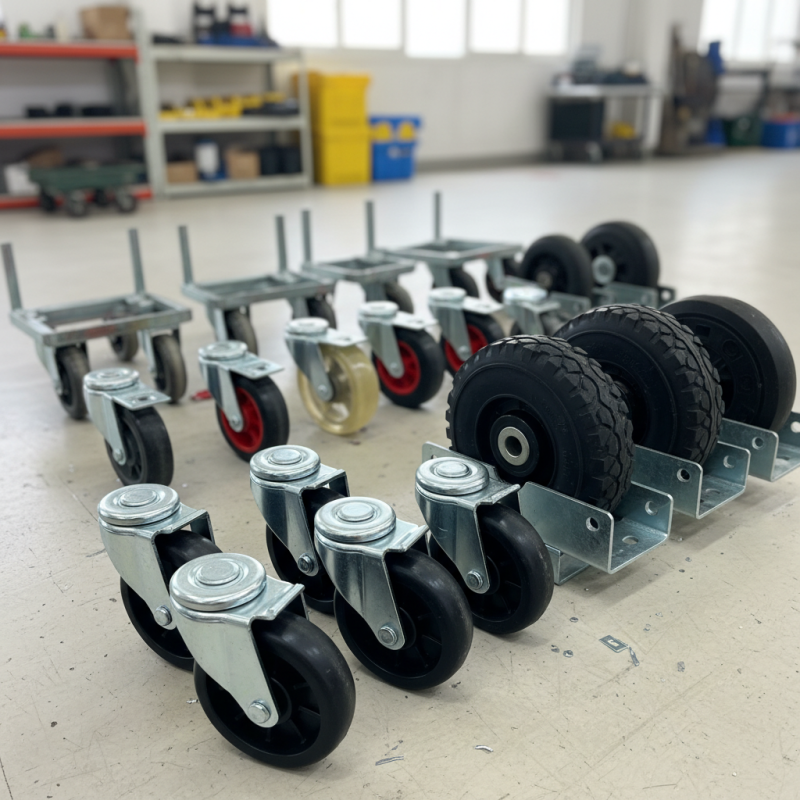
When selecting caster trolley wheels, understanding the types available is crucial. There are several options, each serving specific purposes. Rubber wheels are popular for their quiet operation and good floor protection. They glide smoothly on various surfaces. Ideal for indoor use, they can handle loads well. Then there are plastic wheels, lightweight and affordable. However, they may not provide the same stability or cushioning as rubber.
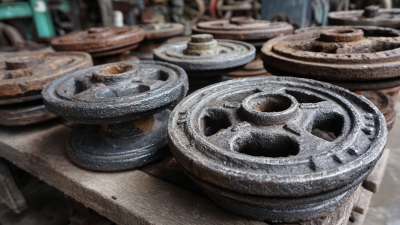
For heavy-duty applications, metal wheels should not be overlooked. They offer excellent strength and durability. These wheels excel in industrial settings where heavy loads are common. Yet, they can be noisy and may damage delicate floors. Another option is the polyurethane wheel, combining the best of both worlds. They provide the load capacity of metal while being gentler on surfaces.
The choice of caster wheels can often be overwhelming. It’s easy to overlook specific needs. Take into account the weight of items and the floor surface. Asking questions can help clarify your requirements. Not every wheel suits every application, and that’s perfectly okay. Consider experimenting with different types to find what works best for you. Each choice has advantages and drawbacks worth pondering.
Caster Trolley Wheels Types Benefits and What to Choose?
| Type of Caster Wheel |
Material |
Load Capacity |
Benefits |
Best Use |
| Polyurethane Wheels |
Polyurethane |
Up to 600 lbs |
Durable, quiet operation, floor protection |
Hospital carts, furniture |
| Rubber Wheels |
Natural/Synthetic Rubber |
Up to 400 lbs |
Good shock absorption, non-marking |
Industrial use, carts |
| Cast Iron Wheels |
Cast Iron |
Up to 1200 lbs |
High strength, heat resistance |
Heavy duty applications, machinery |
| Nylon Wheels |
Nylon |
Up to 500 lbs |
Lightweight, corrosion-resistant |
Healthcare equipment, light manufacturing |
| PVC Wheels |
PVC |
Up to 300 lbs |
Chemical resistance, easy to clean |
Food industry, cleanrooms |
Benefits of Using Caster Trolley Wheels
Caster trolley wheels are essential for many industries. The benefits they provide can significantly improve efficiency and safety. According to a recent industry report, businesses using casters in their operations experience a 25% increase in productivity. This is due to the ease of movement and flexibility they offer in moving heavy loads.
One key advantage of caster trolley wheels is their ability to reduce strain on workers. When equipment is easily movable, the risk of injury decreases. Data indicates that workplaces with wheel-equipped carts reported a 30% drop in worker compensation claims. This shows how vital focusing on ergonomic solutions can benefit both employees and employers alike.
Despite their benefits, choosing the right type of caster can be challenging. Factors like load capacity, terrain, and wheel material matter. A misfit can lead to inefficiency or even accidents. It's important to assess needs carefully. Industry experts suggest that evaluating the specific environment is crucial. It's easy to overlook details, but they significantly impact operation.
Factors to Consider When Choosing Caster Trolley Wheels
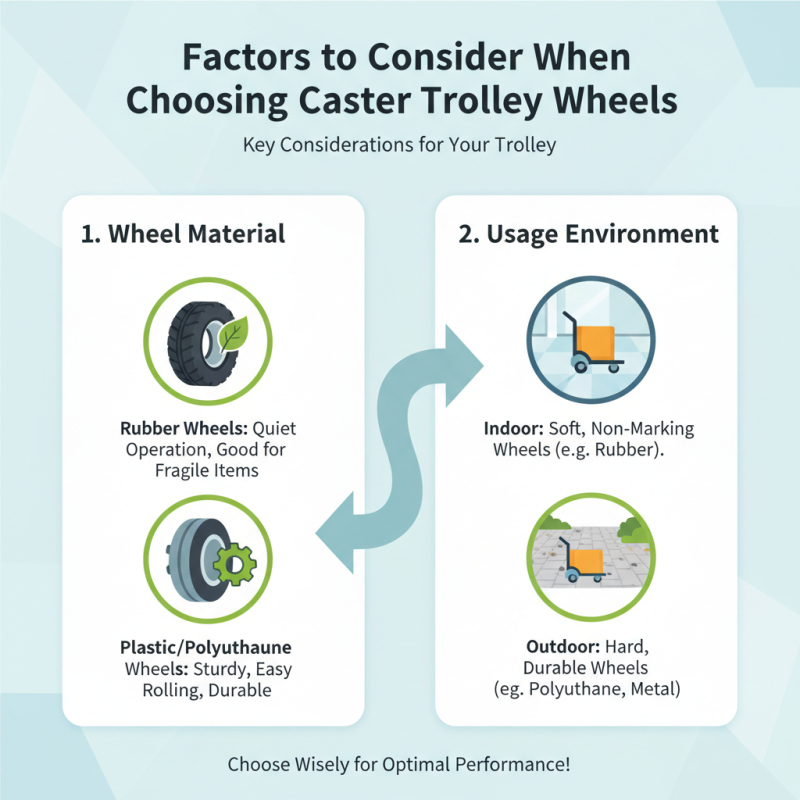
When choosing caster trolley wheels, several key factors should be considered. Firstly, the wheel material is crucial. Rubber wheels often provide quiet operation, while plastic wheels are sturdier and easier to roll on smooth surfaces. Think about where you will use them. Indoor settings may benefit from softer wheels, while outdoors requires durability.
Load capacity is another vital aspect. Ensure the wheels can support the weight of your trolley and its contents. This might seem straightforward, but many underestimate the impact of heavy items. If the wheels are not rated for the load, they may easily wear out. Additionally, wheel size matters. Larger wheels roll over bumps better, but they can also add height to your trolley.
Also, consider swivel versus fixed wheels. Swivel wheels offer more maneuverability, but you might need a combination of both types for better stability. It's easy to overlook these combinations. Each application may require specific features that can be challenging to pinpoint. Balancing these factors will take time and thought, but it’s important to get it right.
Comparative Analysis of Different Caster Wheel Materials
When selecting caster wheels, material choice is crucial. Different materials offer distinct advantages. For instance, rubber wheels are known for their shock absorption. They glide smoothly over uneven surfaces. In contrast, hard plastic wheels are durable and easy to clean. However, they can create noise and produce vibrations.
According to industry reports, thermoplastic rubber has gained popularity. It provides a good balance of flexibility and durability. Thermoplastic wheels are resistant to chemicals. Notably, they perform well in diverse environments. Metal wheels are another option. They are robust and can bear heavy loads. However, they can damage floors over time.
In practical applications, each material displays unique challenges. For example, polyurethane wheels combine resilience and floor protection. But not all polyurethane is created equal. Some may wear out faster under heavy use. It's essential to consider the specific environment and load requirements. A wrong choice can lead to operational inefficiencies.
Applications of Caster Trolley Wheels in Various Industries
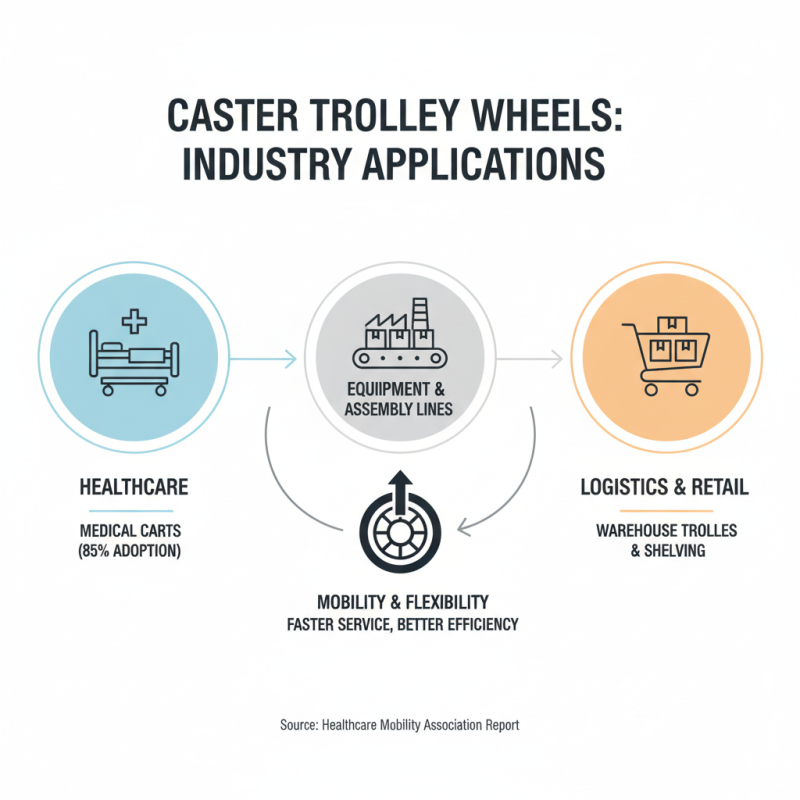
Caster trolley wheels are crucial in many industries. They offer flexibility and mobility. For example, in healthcare, hospitals often use these wheels on medical carts. A report from the Healthcare Mobility Association states that 85% of hospitals have adopted mobile equipment solutions. This enables better patient care and faster service.
In manufacturing, caster wheels help move heavy materials. They are essential for assembly lines. According to the American Material Handling Society, over 60% of manufacturing facilities use casters for efficiency. These wheels can enhance productivity but sometimes wear out quickly. Frequent replacements might be necessary, adding to costs.
Retail environments benefit from lightweight casters on shopping carts. A survey by the Retail Industry Leaders Association found that 70% of shoppers prefer carts that move smoothly. However, poor maintenance can lead to squeaking or difficulty steering. Both issues can frustrate customers. Thus, selecting the right caster is critical. Consider load capacity and wheel material.