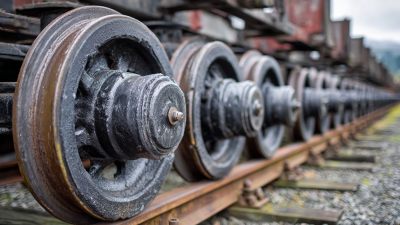
China Best Iron Castor Wheels for Heavy Duty Applications Are They Worth It?
In the competitive market of industrial materials, the demand for high-quality Iron Castor Wheels has surged. These wheels provide crucial support for heavy-duty applications across various sectors. Expert engineer Dr. Thomas Yates states, “Choosing the right iron castor wheels can significantly affect operational efficiency.” His insights emphasize the importance of quality in wheel selection.
Manufacturers in China are increasingly recognized for producing reliable Iron Castor Wheels. They aim to meet the rigorous demands of heavy loads and frequent movement. However, not all products meet the necessary standards. Customers often face challenges in finding wheels that balance durability and cost-effectiveness. Poor-quality wheels can lead to operational setbacks and financial losses.
Understanding the nuances of Iron Castor Wheels is essential. While some may opt for cheaper alternatives, these often compromise strength and longevity. Investing in quality wheels from reputable suppliers can lead to long-term benefits, yet it requires careful consideration. The right choice holds the potential for enhanced productivity and safety. Balancing price and quality is not always straightforward, and reflection on purchasing decisions is necessary for optimal outcomes.
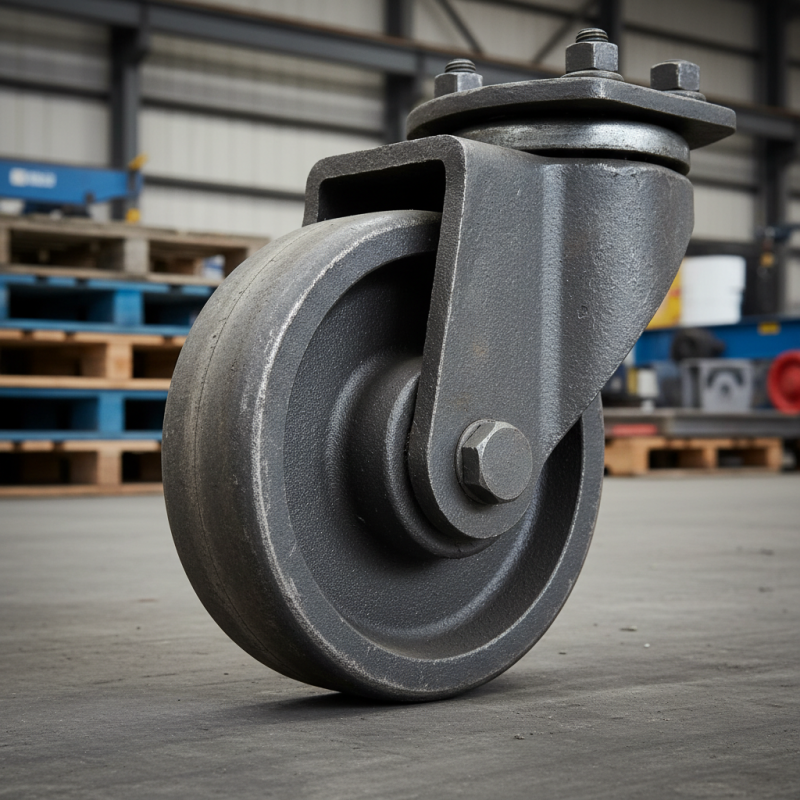
China's Leading Manufacturers of Iron Castor Wheels for Heavy Duties
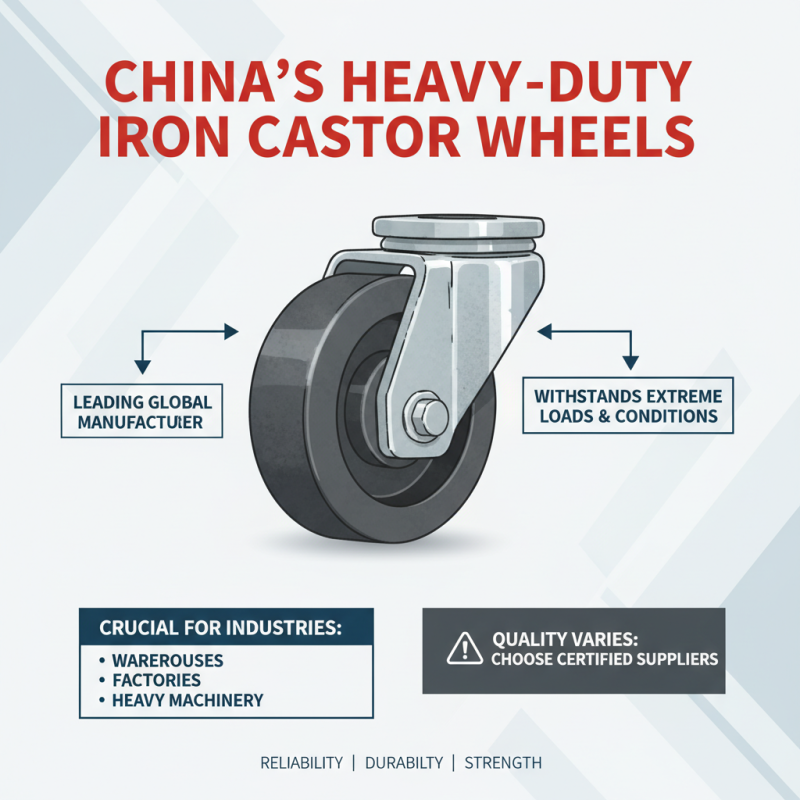
China has established itself as a leading manufacturer of iron castor wheels for heavy-duty applications. These crucial components are designed to withstand significant loads and tough conditions. Many industries rely on these wheels for their equipment, from warehouses to factories. The strength of iron castor wheels makes them ideal for heavy machinery. However, not every manufacturer meets high standards.
Quality can vary widely among Chinese manufacturers. Some produce wheels that excel in performance and durability. Others may cut corners, leading to potential failures under stress. Companies must be diligent when selecting suppliers. Researching manufacturers’ reputations is essential. Gathering feedback from peers can provide valuable insights.
Despite the challenges, investing in high-quality iron castor wheels can yield benefits. Proper wheels enhance mobility and safety in operations. They can reduce the risk of accidents and improve efficiency. Heavy-duty applications demand reliability, making it crucial to choose wisely. Reflecting on these factors can guide better purchasing decisions.
Benefits of Using Iron Castor Wheels in Heavy Duty Applications
Iron castor wheels are increasingly recognized for their advantages in heavy-duty applications. They offer durability and reliability that is hard to match. According to industry reports, iron castor wheels can support loads exceeding 1,500 kg. This exceptional weight capacity makes them ideal for heavy machinery and industrial carts.
One significant benefit is their resistance to wear and tear. In environments where standard wheels might fail, iron castors maintain their integrity. Studies show that using iron wheels can reduce replacement costs by up to 30%. This reduction is crucial in industries where downtime equates to significant financial losses.
Moreover, iron castor wheels provide excellent stability on uneven surfaces. This feature is beneficial in warehouses or construction sites where the ground may not always be level. However, there can be downsides. For instance, the weight of iron wheels can make moving lighter equipment cumbersome. Balancing performance and practicality often requires thoughtful consideration.
Performance Comparison: Iron Castor Wheels vs. Other Wheel Types
When it comes to heavy-duty applications, iron castor wheels are a popular choice. They are well-regarded for their strength and durability. A recent industry report indicates that iron castor wheels can typically handle loads ranging from 500 to 2,000 pounds. This makes them suitable for industrial environments where heavy machinery and equipment are common.
In comparison with other wheel types, iron castor wheels often outperform plastic and rubber options in load capacity and lifespan. For instance, plastic wheels may wear down quickly under heavy weights, leading to frequent replacements. In contrast, iron wheels tend to last longer, reducing maintenance costs over time. However, they can be noisier and may damage some floor surfaces. These trade-offs highlight the need for careful consideration when selecting wheel types.
Users also report that while iron wheels excel in heavy-load situations, they lack some versatility compared to other wheels. They may not perform as well in environments that require smooth and quiet operation. Choosing the right wheel type thus requires understanding specific application needs. This reflects a complex balance between load capacity, noise levels, and surface compatibility.
Cost Analysis: Are Iron Castor Wheels Worth the Investment?
When considering iron castor wheels for heavy-duty applications, cost is a significant factor. These wheels often come with a higher price tag compared to alternatives. However, their durability can justify the investment. Durable wheels can withstand heavy loads and rough surfaces, which reduces the need for frequent replacements. In environments where reliability is critical, their performance can save money in the long run.
It's crucial to evaluate the specific needs of your operations. If your tasks involve frequent movement of heavy machinery, the initial cost may be worth it. On the other hand, lighter applications may not require such robust solutions. User testimonials frequently highlight the longevity of iron castor wheels, yet some users report issues with rust over time. Regular maintenance might be necessary to keep them in prime condition.
Investing in quality castor wheels is not one-size-fits-all. Analyzing your long-term usage will provide insight into whether this investment suits your requirements. While the upfront costs might be intimidating, assessing their benefits can lead to an informed decision that supports operational efficiency.
Cost Analysis of China Best Iron Castor Wheels for Heavy Duty Applications
User Reviews and Case Studies: Experiences with Iron Castor Wheels
User reviews reveal a mixed bag when it comes to using iron castor wheels for heavy-duty applications. Many users appreciate their durability. They find these wheels remarkably resilient and suitable for various environments. For instance, a report from the National Institute of Standards and Technology observed that iron wheels outperformed others in terms of load-bearing capacity. They can handle up to 1,500 pounds, making them ideal for industrial settings.
However, not all experiences are positive. Some users reported issues with weight and maneuverability. Iron castor wheels can be cumbersome. In tight spaces, they might not perform as well as lighter alternatives, leading to frustration. A case study highlighted that in a busy warehouse, the heavy wheels caused more strain on staff, leading to increased fatigue. Users expressed a need for a balance between strength and ease of use.
Moreover, while the longevity of these wheels is commendable, maintenance is a point of concern. Users frequently noted how rust and corrosion could impact performance over time. Regular inspections and upkeep are essential for maximizing their lifespan. This necessity for maintenance can deter potential buyers, leading to the question: are they truly worth it? Balancing these factors is crucial for informed decisions.