Why Choose Iron Castor Wheels for Your Heavy Duty Equipment Needs
In the realm of heavy-duty equipment, the choice of components can significantly impact operational efficiency and durability. Iron Castor Wheels have emerged as a preferred solution for industries requiring robust and reliable mobility solutions. John Smith, an industry expert with over 20 years of experience in industrial equipment, expresses, “When it comes to navigating heavy loads over various surfaces, nothing matches the strength and stability of Iron Castor Wheels.”
These wheels are not merely functional; they are engineered to withstand extreme conditions and substantial weights, making them ideal for warehouses, warehouses, and manufacturing facilities. Their ability to endure heavy usage while providing smooth maneuverability sets Iron Castor Wheels apart from alternative options. In this introduction, we will explore the myriad benefits of selecting Iron Castor Wheels for your heavy-duty equipment needs, focusing on their engineering excellence and the role they play in enhancing operational productivity.
Benefits of Iron Castor Wheels for Heavy Duty Applications
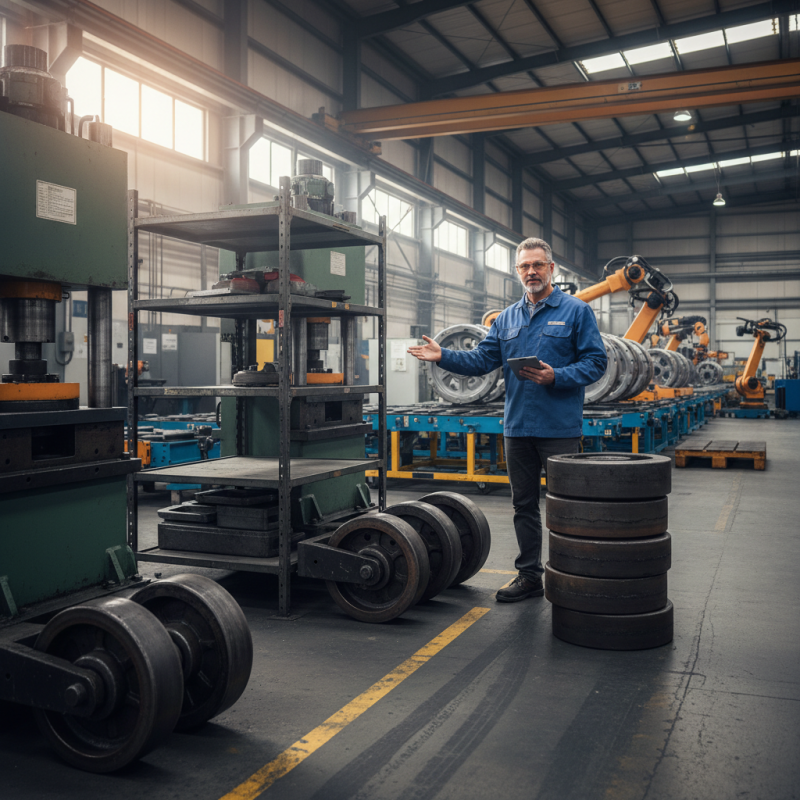
Iron castor wheels are a robust choice for heavy-duty applications, providing numerous advantages that enhance operational efficiency. One of the primary benefits is their exceptional load-bearing capacity. Designed specifically for industrial use, iron castor wheels can support substantial weights without compromising performance, making them ideal for heavy machinery and equipment in warehouses and factories. Their durability ensures they can withstand the rigors of daily use, reducing the need for frequent replacements and maintenance.
Another significant advantage of iron castor wheels is their resistance to wear and tear. Constructed from solid materials, these wheels can handle rough surfaces and harsh environments, which is often a requirement in heavy-duty applications. Additionally, iron castor wheels offer stability and enhanced maneuverability, enabling smooth movement even under challenging conditions. Their design can absorb shocks, contributing to less vibration and ensuring that the equipment remains stable during operation. This feature not only protects the machinery but also enhances safety for operators and the surrounding workforce.
Key Features of Iron Castor Wheels: Durability and Strength
When it comes to heavy-duty equipment, the choice of wheels is critical, and iron castor wheels stand out for their remarkable durability and strength. Made from high-quality iron, these wheels are designed to withstand substantial loads, making them perfect for industrial applications where reliability is paramount. The inherent toughness of iron ensures that these wheels can endure harsh working conditions, including exposure to chemicals, extreme temperatures, and heavy impact, allowing for smooth and efficient maneuverability.
For those considering the purchase of iron castor wheels, here are a few tips to keep in mind. First, ensure that the wheel specifications match the load requirements of your equipment. This involves not only evaluating the weight but also considering the operational environment to avoid potential damage. Second, regular maintenance is key to prolonging the lifespan of these wheels. Periodically check for wear and tear, and ensure that the wheel bearings are adequately lubricated to maintain optimal performance. Lastly, selecting the right wheel diameter can significantly affect the ease of movement on various surfaces, which is essential in a busy industrial setup.
The strength of iron castor wheels translates to fewer replacements over time, ultimately leading to cost savings. By investing in robust options, businesses can enhance their operational efficiency while providing safety and reliability for their heavy-duty equipment needs.
Comparison of Iron Castor Wheels with Alternative Wheel Materials
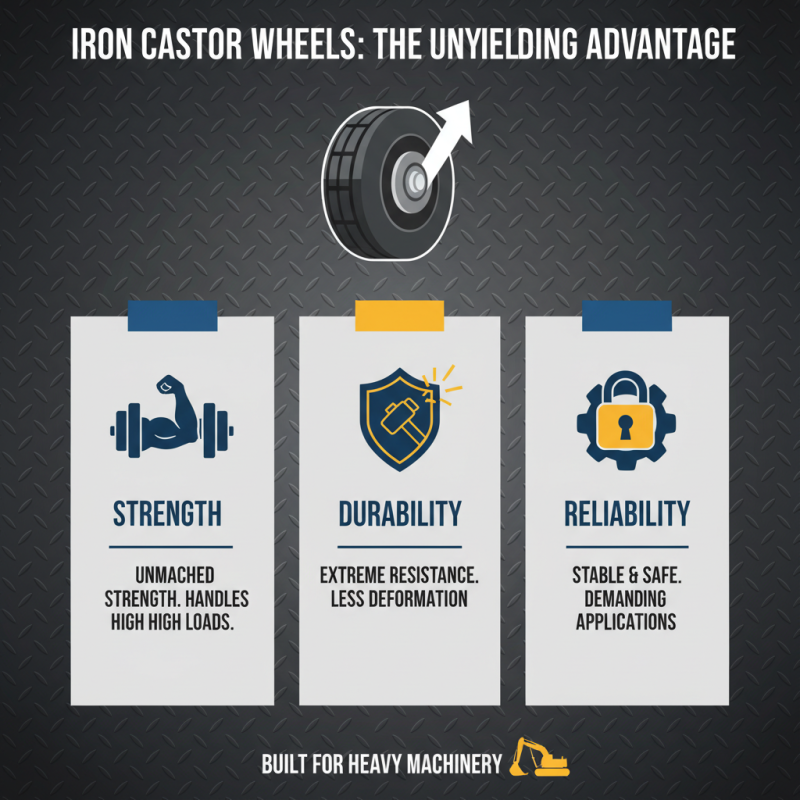
When considering wheels for heavy-duty equipment, the material used plays a crucial role in performance, durability, and suitability for specific environments. Iron castor wheels stand out among various alternatives, such as rubber, plastic, and polyurethane wheels. One of the primary advantages of iron is its unmatched strength and ability to handle high loads, making it ideal for heavy machinery and equipment. Unlike rubber or plastic, iron castor wheels are less likely to deform under pressure, ensuring stability, safety, and reliability in demanding applications.
In contrast, while rubber and plastic wheels offer benefits such as shock absorption and quieter motion, they can fall short in durability when exposed to rough surfaces and heavy weights. Over time, they may wear down faster and require more frequent replacements. Polyurethane wheels provide a middle ground with enhanced wear resistance compared to rubber; however, they still may not match the load-bearing capacities of iron wheels. In environments where heavy loads are the norm and durability is non-negotiable, the robustness of iron castor wheels ensures that equipment runs smoothly and efficiently, making them a preferred choice for rigorous industrial settings.
Maintenance Tips for Iron Castor Wheels in Industrial Environments
When it comes to heavy-duty equipment, the selection of components like
castor wheels is critical for operational efficiency and safety in industrial settings.
Iron castor wheels are renowned for their strength and durability, but regular maintenance is key to maximizing their lifespan and performance.
According to a report from the International Journal of Industrial Engineering,
properly maintained castor wheels can extend their service life by up to 30%, reducing overall equipment downtime.
Regular inspections are vital in assessing the condition of iron castor wheels.
Industries should conduct monthly checks to identify potential issues such as wear and tear, rust formation, or any obstructions that could interfere with mobility.
Employing a systematic lubrication schedule, ideally every three months, can significantly enhance the wheel’s functionality.
A study by the Manufacturing Industry Advisory Board
revealed that nearly 50% of equipment failures are attributed to inadequate maintenance practices, emphasizing the importance of establishing routine maintenance protocols.
In addition to routine inspections, it is essential to choose the appropriate environment for these wheels.
Iron castor wheels are best suited for conditions with minimal exposure to corrosive substances.
Implementing protective coatings can further enhance their resistance to harsh environments.
Data from the American Society of Mechanical Engineers suggests that applying anti-corrosion treatments can improve the longevity of castor wheels in demanding industrial applications
by up to 40%. This proactive approach not only improves operational efficiency but also ensures safety in workplace environments.
Best Practices for Selecting Iron Castor Wheels for Specific Equipment
When selecting iron castor wheels for heavy-duty equipment, it's essential to consider several key factors to ensure that they meet the specific demands of your operation. According to the "Heavy Duty Wheels Market Analysis" published by Industry Research, iron castor wheels are preferred for their durability and load-bearing capacities, often exceeding 1,500 pounds per wheel. This makes them ideal for use in environments where heavy loads need to be maneuvered, such as in manufacturing, warehouses, and construction sites.
One of the best practices in selecting the right iron castor wheels is to evaluate the wheel's diameter and tread width. A larger diameter wheel can roll over obstacles more easily and navigate uneven surfaces, reducing wear and tear on the wheel and the equipment. Additionally, the tread design affects traction; smoother treads are suitable for solid surfaces, while rugged patterns provide better grip on uneven terrain.
A study by the American Society of Mechanical Engineers indicates that proper wheel selection can improve operational efficiency by up to 20%, highlighting the importance of matching wheel specifications to equipment types and operational conditions.