How to Choose the Perfect Vintage Steel Casters for Your Furniture?
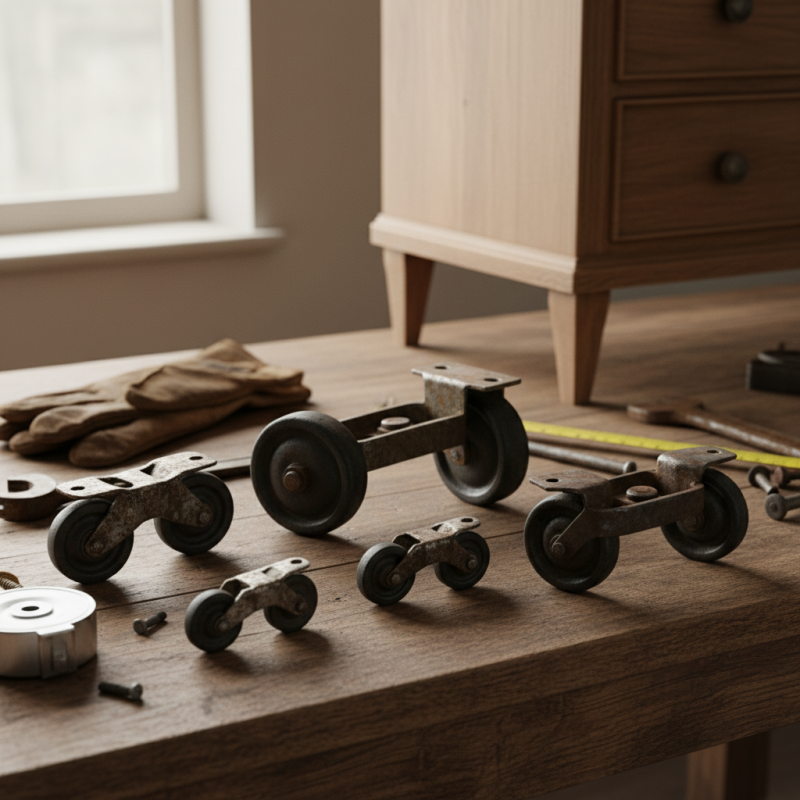
Choosing the right vintage steel casters can greatly enhance your furniture's appeal. They blend style and function seamlessly. Vintage steel casters offer a unique charm that modern options often lack.
When selecting vintage steel casters, consider the size and weight of your furniture. These casters come in various sizes, affecting both stability and mobility. Pay attention to the design; intricate patterns can add a touch of elegance. However, not all vintage designs match every piece of furniture.
It's easy to feel overwhelmed by choices. You might find yourself drawn to an eye-catching design, but will it fit your needs? Reflecting on these aspects is crucial before making a purchase. Each caster tells a story, but it’s essential to choose one that complements your home. Embrace the journey of finding the perfect vintage steel casters; it might require some trial and error.
Factors to Consider When Selecting Vintage Steel Casters for Furniture
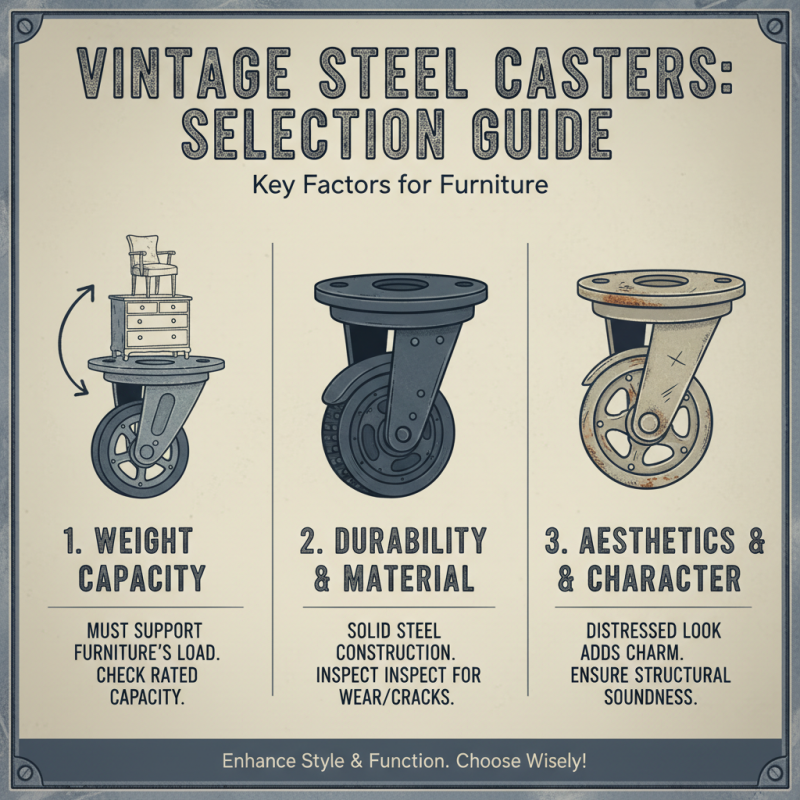
Choosing vintage steel casters for your furniture can be daunting. The right caster enhances both style and function. When selecting, consider the weight capacity. Vintage casters must support your furniture's load. Look for durable designs made from solid steel. Some vintage options may show wear. This can add character but also signal potential weakness.
Next, the wheel size plays a crucial role. Larger wheels glide smoothly across surfaces. Smaller ones can be challenging on carpets or uneven floors. Pay attention to the wheel's material too. Rubber wheels can protect floors and offer better movement. Check the stem size as well. It should fit your furniture's leg perfectly. A mismatched stem may cause instability.
Lastly, aesthetics cannot be overlooked. Vintage casters come in various styles. Choose ones that complement your furniture's design. However, do not ignore functionality for style. An eye-catching caster that struggles to perform can be frustrating. Always weigh the beautiful against the practical. Making the right choice will enhance your furniture's appeal and usability.
Understanding Different Types of Vintage Steel Casters Available
When selecting vintage steel casters, it's crucial to understand the various types available. These casters often come in different styles, sizes, and functionalities. A common choice is the plate caster, which attaches directly to the bottom of furniture. They provide a stable base and are versatile for various shapes. But installing them can be tricky, especially on uneven surfaces.
Another type is the stem caster. These feature a stem that fits into a socket or hole in your furniture. They can swivel and are better for mobility. However, if not fitted properly, they may wobble. There are also rigid casters that can only roll in one direction. They are stable but limit maneuverability. Choosing the wrong type can limit your furniture's functionality, so consider your needs carefully.
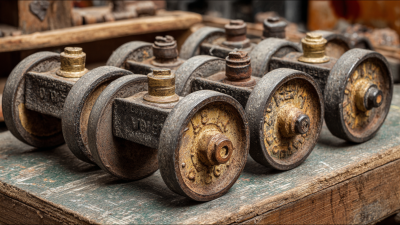
Knowing the materials used in these casters is also important. Some may rust easily, while others are more resilient. Vintage steel is durable but can show wear over time. This wear might add character, but it could also lead to instability. It's worth reflecting on whether you want that aged look or prefer pristine functionality.
Distribution of Vintage Steel Casters by Type
Assessing the Load Capacity and Durability of Steel Casters
When evaluating vintage steel casters, load capacity is crucial. Different furniture types require varying levels of support. For instance, a heavy dining table needs casters that can carry substantial weight. A standard caster may only support a few hundred pounds. Look for labels specifying load limits. Not all vintage options will have this information. This can be frustrating. Researching similar models can help.
Durability is another key factor. Vintage steel casters often show signs of wear. Rust, scratches, and dents can affect performance. Inspect the wheel materials. Steel is robust but can rust if not maintained. Look for wheels that roll smoothly. Testing them on an uneven surface reveals their functionality. If they wobble or stick, consider alternatives. Remember, choosing the wrong caster could lead to future issues. It's essential to weigh aesthetics against function. What looks good may not hold up over time. A balance is necessary for long-lasting furniture.
How to Choose the Perfect Vintage Steel Casters for Your Furniture?
| Caster Type |
Load Capacity (lbs) |
Durability Rating |
Material |
Wheel Diameter (inches) |
| Standard Steel Caster |
150 |
High |
Steel |
4 |
| Heavy-Duty Steel Caster |
300 |
Very High |
Steel |
5 |
| Swivel Steel Caster |
200 |
Medium |
Steel |
3 |
| Fixed Steel Caster |
250 |
High |
Steel |
4 |
| Rubberized Steel Caster |
200 |
High |
Steel with Rubber |
3.5 |
How to Match Vintage Steel Casters with Your Furniture Style
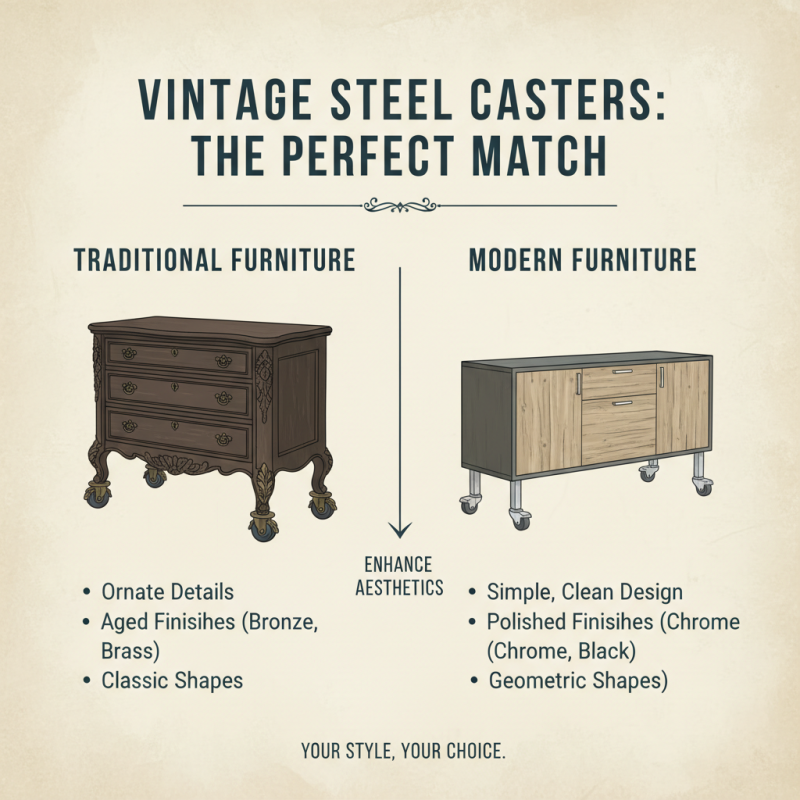
Choosing vintage steel casters can significantly enhance the aesthetic of your furniture. They come in various styles, colors, and finishes. It's essential to consider how they complement your existing pieces. For traditional furniture, opt for casters with ornate details. Simple, clean designs work well with modern styles.
When matching casters, think about the material and color scheme of your furniture. If you have a distressed wood table, rusty or aged steel casters may add a charming touch. However, it’s worth noting that finding a perfect match can be challenging. There can be inconsistencies in patina and finish, even among the same design. This imperfection can be beautiful, but it might not suit everyone’s taste.
Consider the proportion and size of the casters too. Oversized wheels can overwhelm smaller furniture pieces. Conversely, tiny casters might get lost on larger items. It's a dance of balance. Personal preference plays a role, and sometimes you might end up with a mismatch. The key is to embrace these choices and make adjustments as needed.
Care and Maintenance Tips for Vintage Steel Casters
Vintage steel casters add charm to furniture but require careful upkeep. Regularly inspect them for rust or wear. According to industry data, nearly 30% of vintage casters show signs of damage after years of use. Catching issues early can prevent major problems later.
Cleaning is crucial. Use a soft cloth and mild soap solution to avoid scratches. Avoid harsh chemicals, as they can strip the finish. Interestingly, 25% of vintage caster owners overlook this maintenance, leading to a decline in mobility and aesthetic. Lubricate moving parts regularly to ensure smooth operation.
Storage matters too. Keep furniture in a dry area. Excess moisture can lead to corrosion, which affects both function and style. According to reports, 40% of restoration failures come from improper storage practices. Investing time in care now will preserve these unique pieces for the future.