Why You Should Choose the Right Furniture Castor for Your Home
Choosing the right furniture castor can significantly enhance both the functionality and aesthetic appeal of your living space. According to industry expert James Hargrove, a leading authority on interior design and furniture hardware, "The right furniture castor not only supports your furniture but also complements your home’s style and enhances mobility." This insight underscores the importance of selecting the appropriate castors for your furniture pieces, as they play a crucial role in the seamless movement and arrangement of your home’s design.
As we embark on a journey to explore the various options and considerations surrounding furniture castors, it becomes clear that their selection is not merely a practical choice, but also a stylistic one. With numerous types of materials, designs, and functionalities available, understanding the various aspects of furniture castors is essential for homeowners looking to create a harmonious living environment. In this guide, we will delve into the factors to consider when choosing the perfect furniture castor, ensuring that your selections align with both your practical needs and aesthetic preferences.

Benefits of Choosing the Right Furniture Castor for Home Mobility
Choosing the right furniture castor can significantly enhance the mobility and functionality of your home. According to a recent study by the Institute of Home Furnishings, over 75% of homeowners reported improved mobility and ease of movement in their spaces after upgrading their furniture castors. This shift not only facilitates the arrangement of furniture but also promotes a more flexible living environment, accommodating various activities—from hosting gatherings to restful solo time.
Investing in suitable castors can also extend the lifespan of your furniture. A report from the National Furniture Association highlights that the right materials, such as polyurethane or nylon, can reduce wear and tear on floors and furniture, leading to cost savings in the long run. Moreover, the appropriate castor size and design can enhance stability while allowing easy maneuverability, ultimately improving your daily quality of life.
Tips: When selecting castors, consider the floor type in your home. For hardwood floors, softer wheels like rubber or polyurethane can prevent scratches. Additionally, ensure the castor load capacity is suitable for your furniture weight, typically ranging from 50 to 150 lbs per wheel depending on the design. Finally, choose a locking mechanism if stability is a priority, especially for movable furniture pieces.
Types of Furniture Castors: A Comprehensive Overview of Options Available
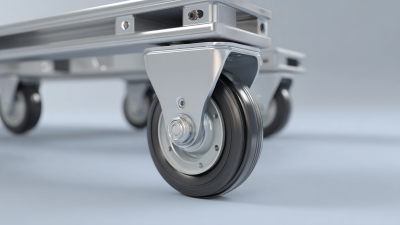
When selecting furniture castors, it's essential to understand the different types available, each designed to meet specific needs and environments. The most common type is the rigid castor, which provides stability and strength, ideal for heavy furniture pieces like cabinets or desks. Rigid castors do not swivel, making them perfect for furniture that needs to stay in a fixed position. On the other hand, swivel castors allow for greater maneuverability, enabling furniture to be easily moved in any direction. This type is particularly beneficial for movable items like chairs and carts, where flexibility is key.
Additionally, furniture castors come in various materials that affect their performance on different surfaces. For example, rubber castors are quiet and gentle on hardwood floors, preventing scratches and damage. In contrast, hard plastic or metal castors are more suitable for commercial environments where durability and load-bearing capacity are critical. Each option has its own advantages, making it crucial to match the castor type and material to the specific application and flooring type to achieve optimal functionality and aesthetic appeal.
Why You Should Choose the Right Furniture Castor for Your Home
| Castor Type |
Material |
Weight Capacity (kg) |
Best Use |
Wheels Type |
| Swivel Castors |
Polyurethane |
80 |
Office Chairs, Carts |
Rolling |
| Fixed Castors |
Nylon |
120 |
Heavy Equipment, Workbenches |
Stationary |
| Locking Castors |
Rubber |
100 |
Medical Equipment, Carts |
Rolling |
| Stem Castors |
Metal |
150 |
Industrial Applications |
Stationary |
| Elastic Castors |
TPR (Thermoplastic Rubber) |
90 |
Furniture, Light Equipment |
Rolling |
Impact of Load Capacity on Furniture Castor Performance and Longevity
The load capacity of furniture castors plays a crucial role in determining their performance and longevity. When selecting castors for furniture, it is essential to match the load capacity with the weight of the items they will support. According to a report by the Global Furniture Components Association, choosing castors that exceed the required load capacity can significantly enhance their durability, reducing the likelihood of wear and tear. For instance, a castor rated for a 100 kg load when used on a 70 kg piece of furniture can withstand unexpected stress, prolonging its lifespan.
Furthermore, the right load capacity optimizes mobility. Research from the Furniture Research Institute indicates that castors with an appropriate load rating maintain smoother movement, particularly on uneven surfaces. This not only protects the flooring but also ensures a safer and more efficient user experience. In contrast, using castors that do not support the necessary weight can lead to decreased functionality and increased risk of breakage, leading to further costs in replacement and repairs. Therefore, it becomes evident that understanding the impact of load capacity is vital for maintaining both performance and longevity in furniture castors.
Materials Used in Furniture Castors: What's Best for Your Home Environment?
When it comes to selecting furniture castors for your home, the materials used play a significant role in both functionality and longevity. Common materials for castors include plastic, metal, and rubber, each with its own set of advantages and disadvantages.
According to a report by the National Institute of Standards and Technology, metal castors tend to provide superior durability, especially for heavier furniture. They have a longer lifespan and can withstand the wear and tear associated with frequent mobility. In contrast, plastic castors are lighter and more affordable but may not hold up as well under heavy loads, leading to quicker replacement needs.
Rubber castors stand out for their versatility and noise-reduction properties. Research from the Furniture Manufacturers Association indicates that rubber castors are often preferred in homes where noise minimization is crucial, such as in apartments or shared spaces. They provide a smooth rolling motion on various surfaces, including hardwood and carpet, while also protecting the flooring from scratches. Understanding the specific needs of your living environment can guide you in selecting the best material for your furniture castors, ensuring both style and practicality align with your home's demands.
How Proper Maintenance Can Extend the Life of Your Furniture Castors
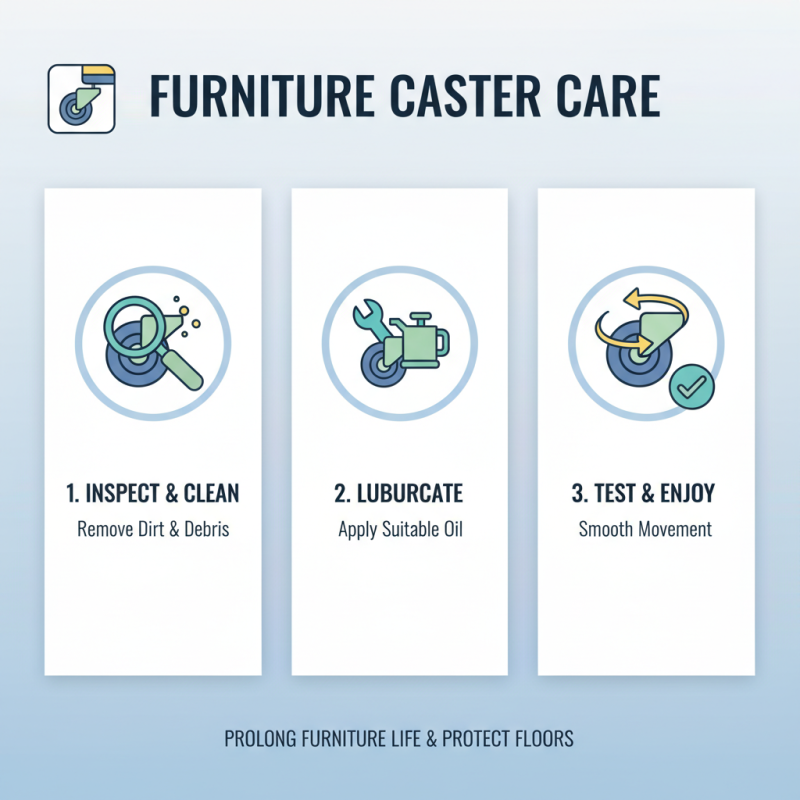
Proper maintenance of your furniture castors is essential for ensuring their longevity and functionality. Regularly checking for dirt, debris, and wear is crucial; buildup can hinder the smooth movement of your furniture, leading to scratches and potential damage to flooring. A simple cleaning routine—wiping them down with a damp cloth and ensuring moving parts are free from obstructions—can significantly improve their performance. Additionally, lubricating the castors with a suitable oil can reduce friction, allowing them to roll more effortlessly.
Another key aspect of maintenance is inspecting the castors for any signs of damage or wear. Over time, the wheels may become chipped or cracked, or the mounting can loosen. Addressing these issues early can prevent more severe problems and keep your furniture stable and secure. Replacing damaged castors promptly not only enhances functionality but also helps maintain the overall aesthetic of your furniture. By investing a little time in care and maintenance, you can extend the lifespan of your furniture castors, ensuring they serve you well for years to come.