How to Choose the Best Furniture Castor Wheels for Your Home or Office
When it comes to enhancing mobility and functionality in both homes and offices, choosing the right Furniture Castor Wheels is crucial. According to industry expert John Baker, a renowned furniture designer, "The efficiency of your space is often determined by the quality and type of castor wheels you choose." This statement underscores the importance of selecting the appropriate wheels that not only complement the aesthetic of your furniture but also support its practical use.
Furniture Castor Wheels come in various sizes and materials, each designed to accommodate different types of furniture and flooring. Understanding the specific requirements of your environment—whether it's a home office with hardwood floors or a bustling workspace with carpet—will guide your decision. Moreover, the right castor wheels can prevent damage to your flooring while ensuring effortless mobility and stability.
As we delve into the essential factors to consider when choosing Furniture Castor Wheels, we will explore elements such as load capacity, wheel material, and design compatibility. Making an informed choice can transform your furniture's functionality and enhance your overall space efficiency.

Understanding the Different Types of Furniture Castor Wheels
When selecting furniture castor wheels, it’s essential to understand the different types available, as each type serves a unique purpose and is designed for specific environments. One common type is the hard rubber wheel, which provides excellent durability and is particularly suitable for smooth surfaces, such as hardwood or tile floors. These wheels allow for easy movement of furniture without causing scratches or dents, making them ideal for home or office settings where mobility is needed without compromising floor integrity.
On the other hand, soft rubber or polyurethane wheels are designed for various surfaces, including carpet. They offer enhanced grip and stability, minimizing the risk of slipping. These wheels also tend to absorb shocks, making them quieter and less damaging when moving furniture across uneven flooring. Understanding these characteristics can aid in choosing the right castor wheels that suit both the functionality and aesthetic of your space, providing the right balance between mobility and protection for your floors.
Factors to Consider When Choosing Castor Wheels for Furniture
When selecting castor wheels for your furniture, several key factors should guide your decision. First, consider the surface on which the wheels will be used. Hard surfaces like tile or hardwood require different wheels than soft surfaces such as carpet. Flexible rubber wheels are often preferable for hard floors to prevent scratching, while larger, softer wheels can glide more easily over carpets, making mobility smoother and reducing strain on the furniture.
Another crucial aspect is the weight capacity of the castor wheels. It’s essential to ensure that the wheels can support the weight of the furniture and any additional load it may carry. Heavy-duty castor wheels are ideal for bulky items like office desks or bookshelves, while lighter models suffice for chairs or small tables. Additionally, the wheel's locking mechanism is significant for stability; choosing wheels with a reliable lock can prevent unwanted movement, ensuring safety and comfort in your workspace or home environment.
Assessing Weight Capacity and Load Requirements for Your Castors
When selecting furniture castor wheels, one of the most critical factors to consider is their weight capacity and load requirements. Each castor is designed to support a specific weight range, which is crucial for ensuring both safety and functionality. To determine the appropriate weight capacity, you must evaluate the total weight of the furniture piece, including any additional items that will reside on it. For instance, a desk that will hold a computer and various supplies will require wheels that can handle more weight than just the desk alone.
Additionally, understanding the load requirement goes beyond simply matching the weight. You should also consider the frequency of movement and the surface on which the castors will roll. For instance, if the furniture will be moved frequently, it may be beneficial to choose castors that can bear a load slightly above the actual weight to account for dynamic forces during movement. Meanwhile, selecting the right wheel material is also essential; harder wheels may be better for smooth surfaces, while softer wheels can be more suitable for carpeted areas. Ultimately, the right balance of capacity and material will enhance both the usability and longevity of your furniture.
How to Choose the Best Furniture Castor Wheels for Your Home or Office
| Wheel Type |
Material |
Weight Capacity (lbs) |
Load Requirements |
Best Use |
| Swivel Castors |
Polyurethane |
150 |
Moderate Load |
Office Chairs |
| Fixed Castors |
Rubber |
200 |
Heavy Load |
Industrial Carts |
| Twin-Wheel Castors |
Nylon |
180 |
Moderate Load |
Furniture |
| Locking Castors |
Steel |
250 |
Heavy Load |
Medical Equipment |
| Soft Floor Castors |
Polypropylene |
120 |
Light Load |
Office Desks |
Evaluating Wheel Materials and Their Impact on Surface Types
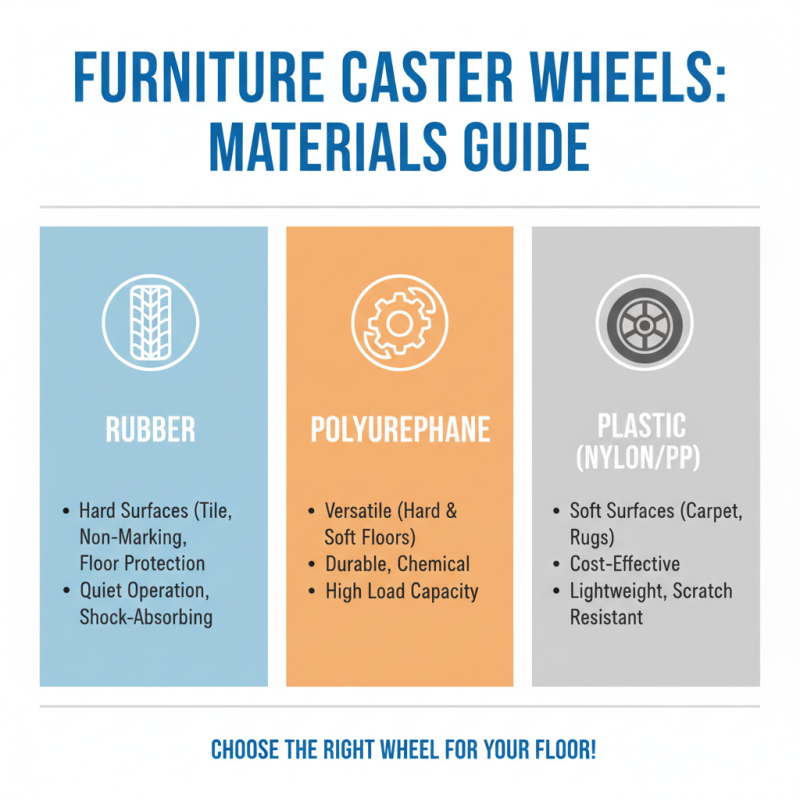
When selecting furniture castor wheels, the materials used in their construction play a crucial role in determining their suitability for various surface types. Common materials for wheel construction include rubber, polyurethane, and plastic, each offering distinct properties. Rubber wheels are excellent for hard surfaces, such as tile or hardwood, as they provide a non-marking surface and protect against damaging the floor while ensuring smooth movement. Their shock-absorbing qualities also make them ideal for quieter operation in office environments.
In contrast, polyurethane castor wheels deliver a balance between durability and compatibility with both hard and soft surfaces. Their resilience ensures they can support heavier loads while minimizing the risk of scratches on delicate flooring. These wheels are particularly advantageous in homes with mixed flooring types, where transition between surfaces is frequent. Meanwhile, plastic wheels may be suitable for lightweight furniture and indoor use on smoother surfaces, but they could cause more damage or wear on softer, plush carpets. Understanding the characteristics of each material helps in choosing the right castor wheels that will enhance your furniture's functionality without compromising the integrity of your floors.
Installation Tips for Optimal Performance of Castor Wheels
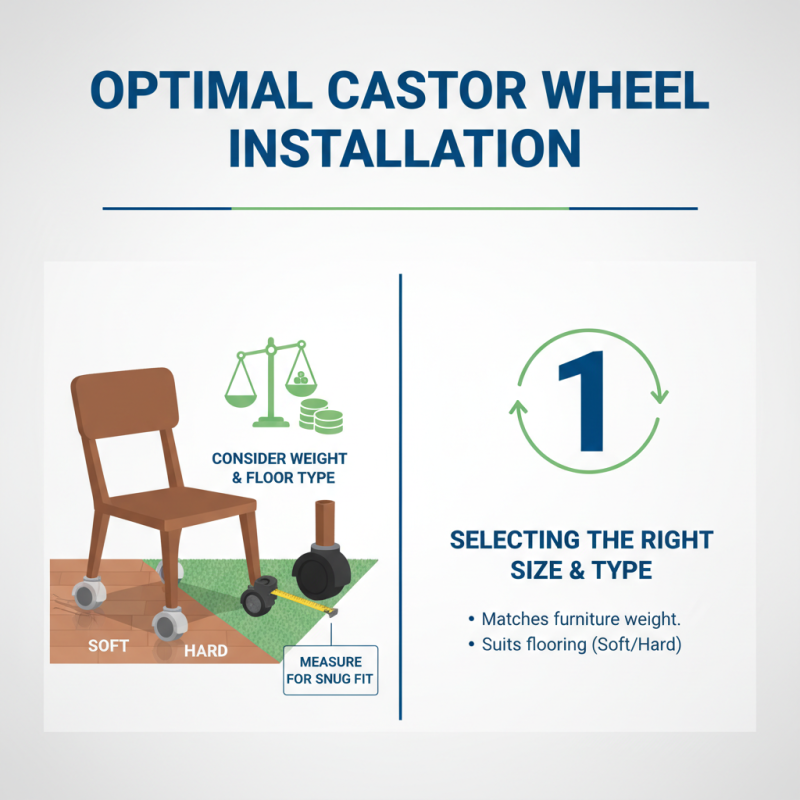
When installing castor wheels, ensuring optimal performance hinges on a few key steps. First, it is crucial to select the right size and type of wheels for your specific furniture. Consider the weight of the item and the type of flooring they will be rolling on. For example, soft wheels are ideal for delicate surfaces like hardwood to prevent scratches, while harder wheels may be better for carpets. Measure the existing leg or base of the furniture to ensure a snug fit and to avoid any instability while in use.
Once you have the appropriate wheels, the installation process should be straightforward. Start by removing any existing legs or feet from the furniture. Next, position the new castor wheels in alignment with the mounting holes, ensuring that they are evenly spaced. It’s advisable to use screws or bolts that come with the wheels, as they are often designed to provide the best fit and support. Finally, check each wheel for smoothness and ensure they spin freely after installation. Tighten any loose screws and perform a simple test by moving the furniture around to confirm that it glides easily across the surface without wobbling or resistance. Proper installation not only enhances mobility but also extends the lifespan of both the furniture and the wheels.