How to Choose the Best Stainless Casters for Your Needs?
Choosing the right stainless casters can significantly impact the efficiency of your operation. According to a recent report by the Caster and Wheel Manufacturers Association, 70% of businesses experience increased productivity when utilizing high-quality casters. Stainless casters stand out for their durability and resistance to corrosion. This is crucial in industries like food processing and pharmaceuticals, where hygiene is paramount.
However, not all stainless casters are created equal. Factors such as weight capacity, wheel diameter, and swivel mechanism require careful consideration. Nearly 40% of businesses reported premature caster failure due to inappropriate specifications. This highlights a common oversight in the selection process.
Furthermore, while stainless steel provides excellent resistance, it is essential to evaluate the material's grade. The wrong choice can lead to operational inefficiencies and increased costs. This underscores the need for informed decision-making. Analyzing these elements thoroughly ensures you choose stainless casters that meet your specific requirements.
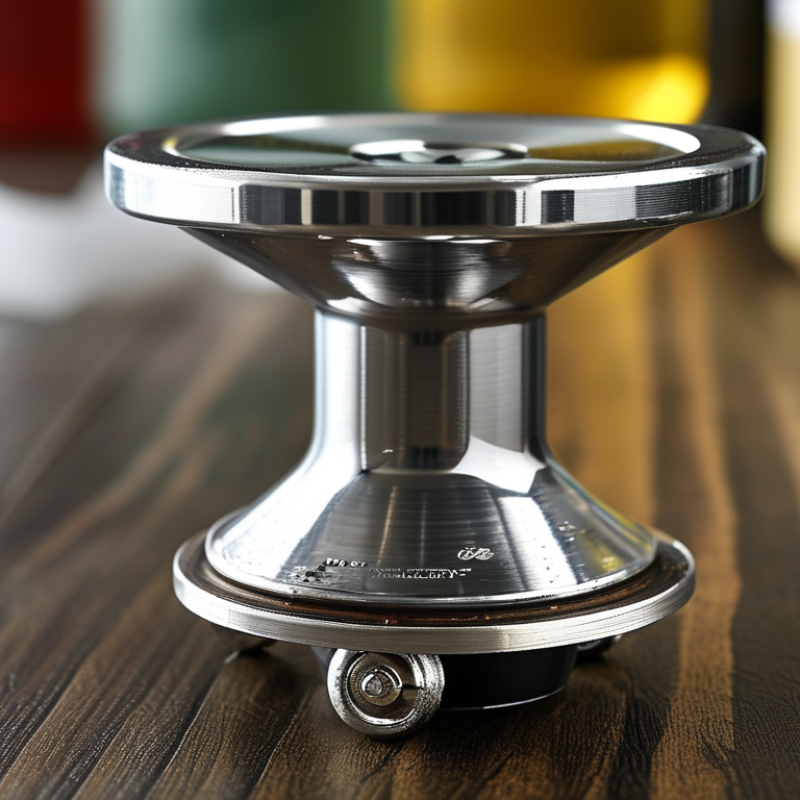
Understanding Different Types of Stainless Casters Available
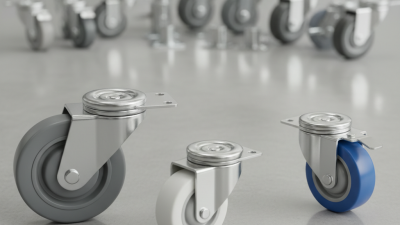
When selecting stainless casters, understanding the different types available is crucial. There are several variations, including swivel, rigid, and locking casters. Swivel casters provide great maneuverability, making them ideal for tight spaces. Rigid casters, on the other hand, are best for straight-line movement. Locking casters offer stability when needed, preventing unwanted movement.
Material choice is also important. Stainless steel is resistant to corrosion and rust, making it suitable for various environments. Consider the load capacity each caster can handle. It’s essential to match the caster’s strength with your specific needs. If you're unsure, consult with a professional; they can provide valuable insights.
When choosing casters, think about your environment. Wet or harsh conditions may require specialized casters. A few things may not always turn out as planned. For instance, even high-quality casters can wear down quicker in demanding settings. Monitor their performance regularly. Prioritize adaptability to ensure you can switch out casters when necessary.
Key Factors to Consider When Selecting Stainless Casters
When selecting stainless casters, consider the weight capacity required for your application. Different casters handle different loads. You must choose a caster that can support your equipment or furniture. Stainless steel casters typically come with specifications indicating their maximum weight capacity. It's essential to match this with your needs to prevent premature wear.
Another crucial factor is wheel size and material. Larger wheels roll easier, especially over uneven surfaces. However, smaller wheels can be more maneuverable in tight spaces. Assess your environment. Determine if you need hard or soft wheels. Hard wheels work well on smooth floors, while soft wheels are better for carpeted surfaces.
Consider the environment where the casters will be used. Stainless casters are often chosen for their corrosion resistance, but settings like food processing or medical facilities demand even higher hygiene standards. Reflect on these factors to avoid mismatches. Quality and functionality are paramount. Each decision impacts the overall performance and safety of your setup.
Assessing Load Capacity and Weight Distribution Needs
Selecting the right stainless casters involves understanding load capacity and weight distribution. This is critical for ensuring safety and effectiveness in various applications. According to recent industry reports, improper weight distribution can lead to equipment failure. In fact, at least 30% of caster-related accidents stem from overload situations.
To assess load capacity, determine the total weight of the items you’ll move. A general guide suggests that each caster should support at least one-quarter of the total load. This means for a 400-pound load, using at least four casters rated for 100 pounds each is advisable. However, variability in floor surfaces also influences load dynamics. Soft surfaces can increase resistance, requiring a higher load capacity.
Weight distribution plays a significant role. Using casters that cannot adequately handle the load can create instability. For instance, if the load is unevenly distributed, some casters may have to bear more weight than designed. Testing the setup under controlled conditions ensures that potential risks are identified. This practice is often overlooked but is essential for preventing mishaps in high-traffic areas.
Load Capacity Assessment of Various Stainless Casters
Evaluating Wheel Size and Material for Optimal Performance
When selecting stainless casters, wheel size and material play crucial roles in overall performance. A larger wheel can handle obstacles better, providing smoother movement on uneven surfaces. Smaller wheels, while more versatile, may struggle with rough terrain. It's essential to consider the environment where the casters will be used. For instance, if they will frequently encounter debris, a larger wheel might be preferable.
Material choices also impact durability and functionality. Stainless steel wheels are ideal for environments with moisture or chemicals. They resist rust and corrosion, prolonging their lifespan. On the other hand, polyurethane wheels offer better grip and shock absorption on various surfaces. Choosing the right material depends on the specific conditions of use.
When evaluating wheel size and material, keep these points in mind. Assess the surface conditions you navigate regularly. Test different combinations if possible. Understanding your unique needs can help you avoid costly mistakes. Always remember that even the best products may need adjustments or replacements over time. This ensures optimal performance and longevity.
How to Choose the Best Stainless Casters for Your Needs? - Evaluating Wheel Size and Material for Optimal Performance
| Wheel Size (inches) |
Material |
Load Capacity (lbs) |
Best Use Case |
| 4 |
Polyurethane |
300 |
Office Furniture |
| 5 |
Rubber |
500 |
Industrial Equipment |
| 6 |
Nylon |
800 |
Heavy Machinery |
| 8 |
Polypropylene |
1000 |
Warehouse Racks |
| 10 |
Steel |
1500 |
Construction Sites |
Maintenance Tips for Ensuring Longevity of Stainless Casters
To maintain stainless casters and extend their lifespan, regular maintenance is crucial. A study by the International Association of Healthcare Facilities found that proper upkeep can increase caster longevity by up to 30%. Regularly inspect casters for debris and damage. This simple task prevents hindrances and ensures smooth operation. Dust and grime can accumulate, causing wear on wheels. Routine cleaning, using mild detergents, can mitigate these risks.
Lubrication plays a vital role in caster maintenance. Applying appropriate lubricant helps reduce friction and wear. A report from the Precision Manufacturing Institute states that regular lubrication can enhance performance by 25%. Use a silicone-based lubricant to avoid attracting dirt and grime. Pay attention to silent casters; they often require more frequent maintenance due to design intricacies.
Monitoring load capacity is essential, too. Exceeding weight limits can lead to serious failures. Proper load assessment ensures casters perform efficiently without unnecessary strain. It's not uncommon for businesses to underestimate requirements, resulting in premature wear. Regularly evaluating both the operational environment and weight distribution can lead to improved longevity. Embrace the habit of scheduled checks to prevent larger issues and ensure the sustainability of your stainless casters.