How to Choose the Right Furniture Castor Wheels for Your Needs?
Choosing the right Furniture Castor Wheels is essential for both functionality and aesthetics. Expert Jonathan Smith, a well-known figure in the furniture industry, emphasizes, "The right castor can transform a piece of furniture entirely." Selecting suitable wheels can greatly impact your furniture's mobility and style.
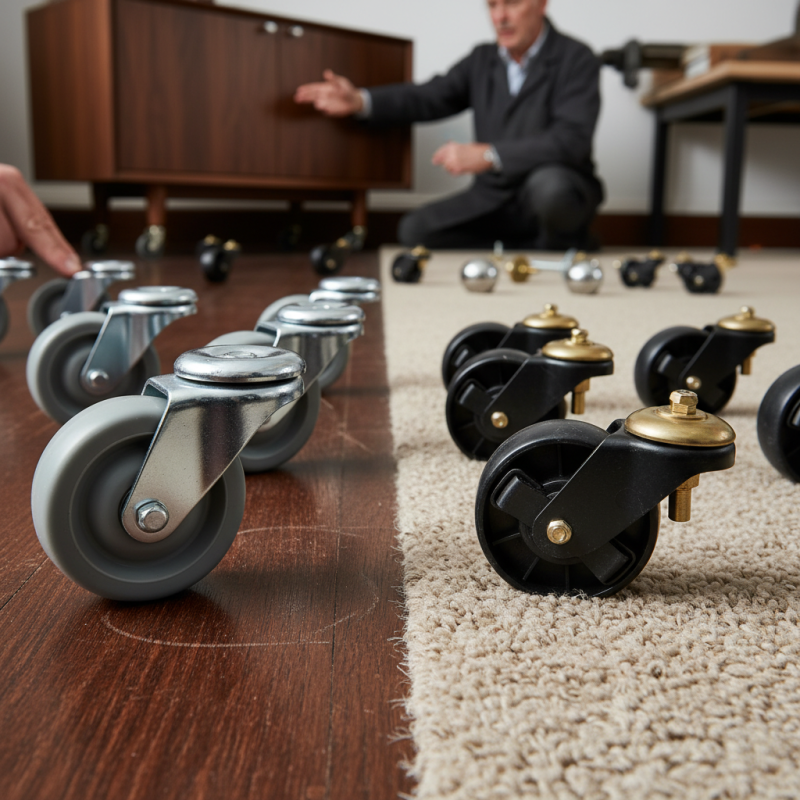
Consider the surface your furniture will rest on. Different materials, like hardwood or carpet, require specific types of Furniture Castor Wheels. For instance, soft rubber wheels are ideal for hardwood floors to prevent scratches. Hard plastic wheels work well on carpets but may not glide smoothly on slippery surfaces. You'll need wheels that match your needs.
While many overlook castor wheels, they play a crucial role in furniture performance. Reflect on the weight your furniture carries. Wheels must support this weight without compromising safety. It's vital to assess both style and practicality. Choosing poorly can lead to frustration and additional costs. Hence, understanding your requirements is key.
Understanding the Different Types of Furniture Castor Wheels Available
When selecting furniture castor wheels, understanding the types available is crucial. Each type serves a different purpose and environment. Rubber wheels are popular for hardwood floors. They provide a soft ride and prevent scratches. However, they may not be suitable for outdoor use.
Plastic wheels are lightweight and cost-effective. They work well on carpets and can support furniture without heavy lifting. Yet, they might wear down quickly on harder surfaces. Consider weight capacity; this can impact durability. Metal wheels are more robust, ideal for heavy furniture. They glide well on various surfaces but can scratch delicate floors.
This decision can be overwhelming. Each option has its pros and cons. Sometimes, it feels like there’s too much to consider. Reflect on your specific needs. Think about where the furniture will be used. Is it for indoor or outdoor? Will it be stationary or mobile? Addressing these questions can lead you to the right choice.
Evaluating Load Capacity and Weight Distribution of Castor Wheels
When selecting castor wheels, load capacity is crucial. Each type has its own maximum load rating. According to a report by the American National Standards Institute, many castor wheels have load ratings between 100 to 3,000 pounds. Understanding this helps prevent accidents. Overloading wheels can lead to premature failure.
Weight distribution is equally important. Uneven weight can cause instability. Research indicates that proper weight distribution increases the lifespan of castor wheels by up to 30%. It's important to assess how weight is spread across your furniture. This prevents excessive wear on a single wheel.
Sometimes, evaluating all these factors can be tricky. Many people overlook the total weight, including items on the furniture. A miscalculation can result in choosing the wrong wheels. This can lead to difficulties in movement or even damage. Taking the time to carefully consider load capacity and weight distribution yields better results, ensuring safe and smooth mobility.
Choosing the Right Material for Castor Wheels: Rubber, Plastic, or Metal
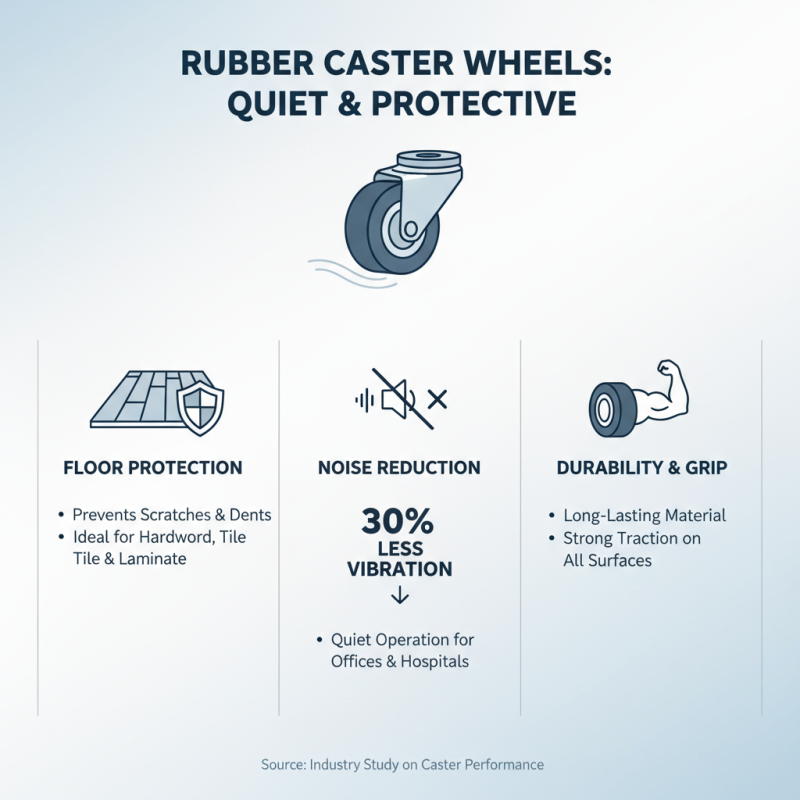
Choosing the right material for furniture castor wheels can significantly affect performance and durability. Rubber wheels are popular for many applications. They provide excellent floor protection and noise reduction. A study shows that rubber wheels can reduce vibration by nearly 30%. This feature is crucial in environments like offices or hospitals.
Plastic wheels, on the other hand, are lightweight and cost-effective. However, they may crack under heavy loads. According to industry reports, plastic castors can carry loads of 200 to 1,000 pounds, depending on design and material quality. They are not ideal for uneven surfaces.
Metal wheels offer strength and stability. They work best in industrial settings. Yet, they can damage floors. Some reports indicate that metal wheels can be too abrasive, causing up to 15% more wear on flooring compared to rubber. It's important to consider your specific needs. Each material has its pros and cons. Reflect on how these factors align with your unique environment and usage.
Assessing Surface Compatibility: Hard Floors vs. Carpets
When selecting furniture castor wheels, it's crucial to consider surface compatibility. Hard floors require different features compared to carpets. Research shows that around 70% of furniture wheels fail to perform well on both surfaces. This underlines the importance of choosing the right type for your flooring.
For hard surfaces, sleek wheels made from hard materials like nylon or polyurethane are ideal. These materials prevent scuffs and offer smooth movement. On the other hand, carpets require wider wheels or those with soft rubber. This helps distribute weight and prevents sinking. A study found that using the wrong wheels on carpets can lead to a 40% increase in wear and tear over time.
However, not all castor wheels are created equal. Many users report uneven roll on different surfaces, which can be frustrating. Proper testing of various designs is often overlooked during the selection process. There's a need to reflect on the materials and designs used. Are they truly suited for your specific environment? It's worth considering the long-term impact of your choices.
How to Choose the Right Furniture Castor Wheels for Your Needs? - Assessing Surface Compatibility: Hard Floors vs. Carpets
| Surface Type |
Ideal Castor Material |
Wheel Size (Diameter) |
Weight Capacity per Wheel |
Recommended Features |
| Hard Floors |
Polyurethane |
50mm - 75mm |
100 kg |
Non-marking, swivel design |
| Carpets |
Nylon |
60mm - 100mm |
150 kg |
Large wheel surface, durable |
| Mixed Surface |
Rubber |
75mm - 100mm |
120 kg |
Versatile design, shock absorbent |
| Outdoor Use |
Plastic |
80mm - 100mm |
200 kg |
Weather-resistant, sturdy |
Considerations for Wheel Size and Design in Furniture Applications
When selecting furniture castor wheels, size and design are crucial factors. A report by the American Society for Testing and Materials indicates that a wheel diameter of 2 to 4 inches is suitable for most office furniture. This size strikes a balance between mobility and stability. Larger wheels can navigate over uneven surfaces better, but they may not work well in tighter spaces. Smaller wheels are less obtrusive but may struggle on carpets. It’s essential to match the wheel size to the specific flooring.
Design also plays an important role. Casters come in various styles, such as swivel or fixed. Swivel casters allow for easier maneuverability around corners. While useful, they can sometimes lead to instability if not properly balanced. Fixed casters provide a stable, straightforward rolling experience. However, they limit movement direction. According to industry reports, furniture stability can decrease by 15% if the wrong wheel design is used. This emphasizes the need for careful consideration when choosing castor wheels to ensure safety and functionality.
Furniture Castor Wheels Size and Design Considerations