How to Choose the Best Cast Iron Caster for Your Needs?
When selecting a Cast Iron Caster, many factors come into play. The right choice can significantly affect mobility and stability. It's essential to consider the specific needs of your project.
Durability is a key aspect of Cast Iron Casters. They are known for their strength and resistance to wear. However, not all casters are created equal. Different designs cater to various weights and surface types.
Additionally, pay attention to the wheel size and load capacity. A larger wheel may provide better performance on uneven surfaces. Understanding your environment can lead to better choices. Don't rush this process. Take your time to reflect on your requirements.
Understanding the Basics of Cast Iron Casters
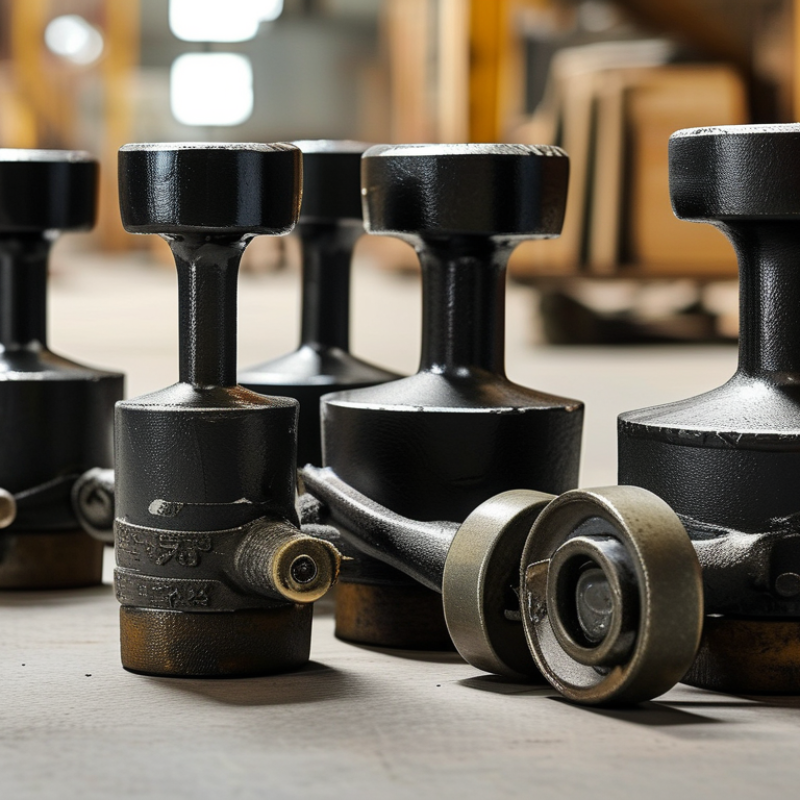
When choosing cast iron casters, understanding their basics is crucial. Cast iron offers durability and strength. These casters handle heavy loads and resist wear. However, the right choice depends on your specific needs. Not all cast iron casters are created equal. The construction, wheel size, and design impact their functionality.
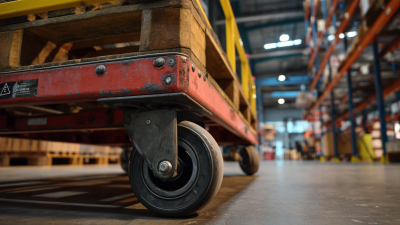
Cast iron casters usually come with two styles: swivel and rigid. Swivel casters provide maneuverability, which is good for tight spaces. Rigid casters offer stability, ideal for straight paths. Consider your environment. Will the casters be on a smooth floor or rough terrain? This factor can influence your decision significantly.
Additionally, pay attention to weight limits. Some casters might not support heavier loads, leaving you with potential problems. If your setup requires frequent adjustments, ensure you choose options with brakes. Reflect on your specific application. What challenges do you face with your current casters? The right choice enhances efficiency, but it's crucial to research thoroughly.
Comparison of Cast Iron Caster Types Based on Load Capacity
This bar chart illustrates the load capacities of different types of cast iron casters, providing a clear comparison for understanding which type meets your needs. Light duty casters handle up to 150 pounds, while extra heavy duty options can support up to 1200 pounds.
Identifying Your Load-Bearing Requirements
Identifying your load-bearing requirements is crucial when selecting the best cast iron caster. Load capacity varies by design and build quality. Industry reports indicate that the average load capacity for standard cast iron casters ranges from 400 to 1,200 pounds. Understanding your needs ensures safety and effectiveness in application.
Consider the type of surfaces where the casters will be used. Hard surfaces require different designs compared to softer ones. For instance, using a caster rated for 800 pounds on a rough surface can lead to premature wear. The reported failure rate in appropriate applications can be as high as 25%, posing a risk for both equipment and personnel.
Regular assessments of caster performance can reveal weaknesses. For example, inspecting casters for signs of wear can extend their lifespan. Neglecting this could result in unexpected breakdowns. Understanding these factors helps you make informed decisions, ensuring the casters serve their intended purpose effectively.
Evaluating Surface Compatibility for Casters
When selecting a cast iron caster, surface compatibility is crucial. The type of flooring you have will dictate the best caster option. For example, hard surfaces like concrete or tile require different features than softer surfaces such as wood or carpet. Hard floors can benefit from casters designed with durable wheels. These wheels will minimize wear and damage.
Consider the weight that will be placed on the casters. Heavy loads demand robust construction. Yet, there's always the risk of insufficient load capacity. You might need larger casters to distribute weight effectively. Make sure to evaluate how the caster interacts with your specific surface type. Some casters may damage delicate flooring, while others slide easily.
Testing the chosen casters before committing can provide valuable insights. If you notice excessive resistance or noise, it might indicate a poor match with your surface. Even subtle differences can lead to dissatisfaction over time. Investing time now will save frustration later. Pay attention to the details and do your research when choosing the right cast iron caster.
Selecting the Right Wheel Size and Design
When selecting cast iron casters, wheel size and design are critical. A study by the
American National Standards Institute (ANSI) shows the ideal wheel diameter should match your load’s weight and surface conditions.
For instance, smaller wheels handle less weight but are great for smooth surfaces. Larger wheels distribute weight better, enhancing stability on uneven terrains.
This choice influences not only transportation efficiency but also safety.
Design is equally crucial. The industry reports indicate that swivel casters offer better maneuverability, while fixed
casters suit straight paths. The material composition impacts durability and performance. High-quality wheels with sealed bearings reduce friction and wear.
A slight miscalculation can lead to significant issues, like uneven wear or difficulty in navigation. Relying on standard measurements doesn't always guarantee
suitability. Evaluate your specific needs carefully before making a decision.
Understanding the environment is necessary. For example, temperature and exposure to chemicals can affect
the wheel’s lifespan. It’s vital to consider the caster’s load capacity as well. Overloading can lead to premature failure. Combining all these elements can enhance
your choice, but don’t overlook the potential for trial and error.
Assessing Maintenance and Durability Considerations
When choosing cast iron casters, maintenance and durability are crucial factors. Cast iron is known for its strength, but it can also be heavy and subject to rust when exposed to moisture. Regular inspections are essential. Look for signs of wear or corrosion. Address issues promptly to prolong the lifespan of your casters.
Cleaning is a simple yet effective way to maintain your cast iron casters. A soft brush can remove dirt and debris. Occasionally, apply a layer of oil to prevent rust. Be cautious with the environment; moisture can drastically impact durability. Humidity levels in your workspace might require additional vigilance.
Consider the weight load and the surface type when selecting casters. Some surfaces can cause wear patterns, impacting longevity. Experiment with different caster types to find what works best in your setting. Recognizing the limitations of materials is vital. No single caster suits every situation perfectly, and reevaluating your choice can lead to better performance.