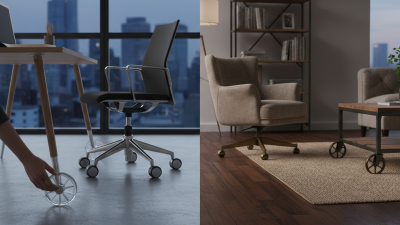
What are Furniture Castors and How to Choose the Best Ones?
Furniture castors play a vital role in enhancing the mobility of various pieces of furniture. These small yet significant components allow items like chairs, tables, and cabinets to glide smoothly across different surfaces. With a multitude of options available, choosing the right furniture castor can be a challenge. It is essential to consider factors such as material, wheel size, and load capacity.
When selecting furniture castors, people often overlook critical details. For example, the type of flooring matters greatly. A castor that works well on carpet may not perform as intended on hardwood. Furthermore, aesthetics can impact the decision. A stylish castor may look appealing but may not be functional for heavy furniture.
Many users underestimate the importance of durability. Cheaper castors might save money initially, but they may wear out quickly. Reflection on long-term needs is crucial when making a choice. Ultimately, the right furniture castor not only enhances functionality but also contributes to the room's overall style.
Understanding Furniture Castors: Definition and Functionality
Furniture castors play a crucial role in mobility and versatility. They are small wheels attached to furniture pieces. These components allow items like chairs, tables, and carts to move easily. According to a report by Market Research Future, the global furniture castor market is expected to grow significantly. This growth reflects the increasing demand for flexible furniture solutions in homes and offices.
Choosing the right castors involves understanding their functionality and application. The materials used, such as rubber or plastic, impact durability and floor protection. For example, rubber castors are generally softer, making them ideal for wooden floors. This consideration is vital—improper selection can lead to scratches or damage. Industry data indicates that nearly 30% of furniture damage can be attributed to the wrong castor choice. Height, size, and load capacity are also essential factors. A mismatch in these areas can affect stability.
However, not all castors are created equal. Some may wear out quickly, while others may not perform as expected under varying loads. This variability often goes unnoticed until it causes issues. Evaluating performance over time is key. Observing how castors interact with different surfaces can provide insights. Thoughtful selection can enhance functionality and prolong furniture lifespan.
Types of Furniture Castors: A Comprehensive Overview
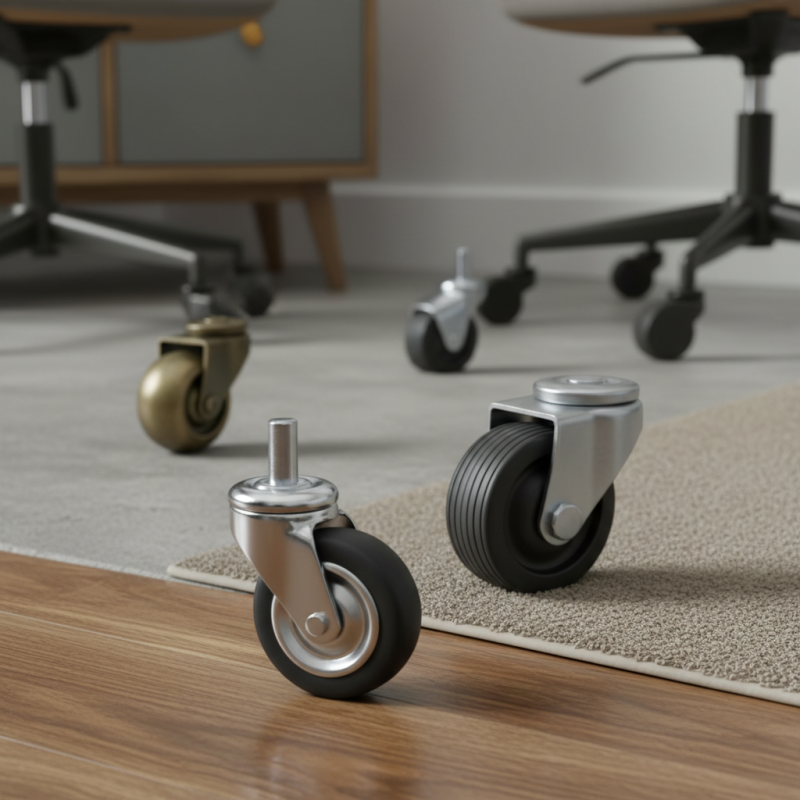
Furniture castors are essential components that enhance mobility and convenience in everyday life. They come in various types, each designed for specific purposes. The most common types include swivel, fixed, and brake castors. Swivel castors provide flexibility, allowing furniture to turn easily in any direction. Fixed castors, on the other hand, go straight, making them ideal for stable applications. Brake castors offer control by locking in place, preventing unwanted movement.
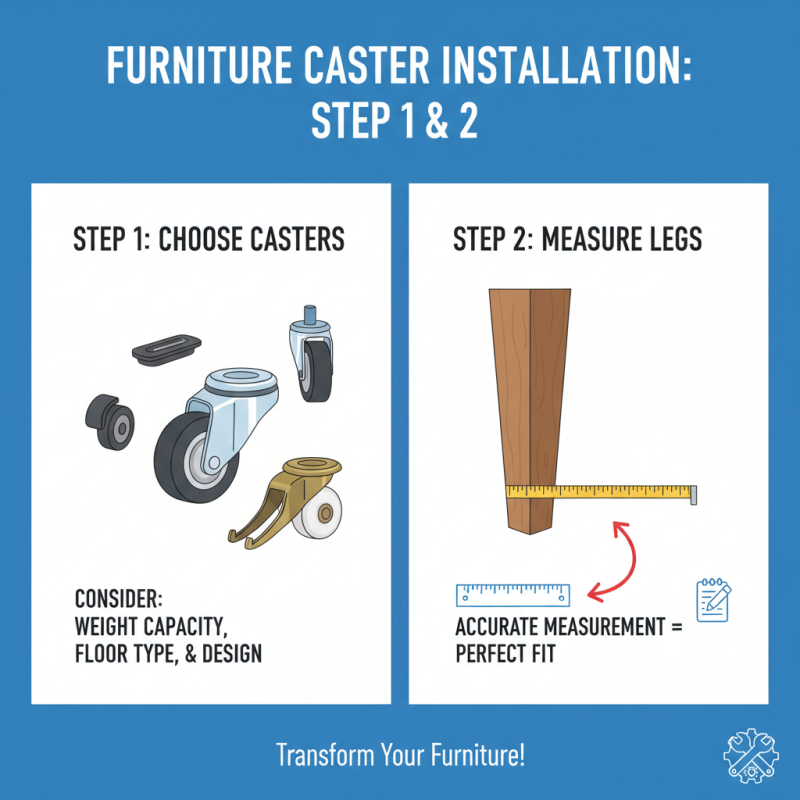
When choosing castors, consider the surface they will be used on. Hard surfaces require different castors than carpets. Also, think about weight capacity. Overloading a castor can lead to failure. Measure the height of your furniture too. The right height ensures proper functionality.
Tip: Always check the wheel size. Larger wheels glide easily on uneven surfaces. Small wheels may get stuck.
Another aspect to consider is material. Rubber wheels are quieter, making them ideal for indoor use. Plastic wheels can be more durable but might cause scratches on floors. With so many options, it’s easy to feel overwhelmed. Take your time to evaluate what fits best.
Types of Furniture Castors and Their Load Capacity
Factors to Consider When Choosing Furniture Castors
When selecting furniture castors, there are several factors to consider. The type of flooring is crucial. Hard floors require softer wheels to prevent damage. Softer wheels glide smoothly, reducing scratches. On carpets, harder wheels work best. They provide better support and mobility.
Weight capacity is another key consideration. Each castor supports a specific weight limit. Remember, an unsuitable castor could lead to accidents or furniture damage. It's wise to check the total load your furniture will bear.
**Tips:** Always measure the height of your furniture. Castor height affects stability. Choose wheels with locking mechanisms if needed. They ensure safety when in use. Don’t overlook the material. Rubber provides quiet movement. Nylon is durable but may be noisy. Both choices come with pros and cons.
Choosing the right castors can be challenging. Sometimes, personal preferences conflict with functional needs. Don't rush the decision. Research options thoroughly, and try to imagine how each would look and function with your furniture. Visit showrooms if possible. It might help in making a more informed choice.
What are Furniture Castors and How to Choose the Best Ones? - Factors to Consider When Choosing Furniture Castors
| Feature |
Description |
Material |
Weight Capacity |
Best Use |
| Swivel Castors |
Allows for multidirectional movement |
Rubber or Polyurethane |
Up to 150 lbs |
Office chairs, rolling carts |
| Fixed Castors |
Provides stability and straight-line movement |
Metal or Nylon |
Up to 200 lbs |
Shelves, heavy machinery |
| Brake Castors |
Features brakes for enhanced safety |
Rubber or Thermoplastic |
Up to 120 lbs |
Medical carts, movable furniture |
| Soft Rubber Castors |
Gentle on floors, reduces noise |
Soft Rubber |
Up to 100 lbs |
Hardwood floors, quiet environments |
| Heavy-Duty Castors |
Designed for heavy loads |
Steel |
Up to 600 lbs |
Industrial carts, heavy furniture |
Material Options for Furniture Castors: Pros and Cons
When choosing furniture castors, material options play a crucial role. Common materials include rubber, nylon, and metal. Each comes with distinct advantages and drawbacks.
Rubber castors provide excellent shock absorption. They are best for hard floors, reducing scratches. However, soft rubber can wear out quicker. According to industry reports, rubber castors can last up to three years with proper maintenance. Yet, they may not handle heavy loads well.
Nylon castors, lightweight and durable, are ideal for various surfaces. They resist wear and are easy to clean. However, they can create noise while rolling. Studies show that nylon castors tend to last longer than rubber when used on carpets.
Metal castors are sturdy and support heavy furniture. They have a professional appeal but can scratch floors easily. If aesthetics matter, this could be a concern. Be mindful that they may sometimes rust if not maintained.
Tip: Always consider the weight of your furniture when selecting castors. This helps ensure durability.
Tip: Regularly check your castors for wear and tear. Small issues can escalate quickly.
Choosing the right material is essential. It directly affects functionality and longevity. Be sure to weigh the pros and cons carefully before making a decision.