What is Heavy Caster Wheels Benefits and Best Options?
Heavy Caster Wheels are essential in various industries, providing mobility and support for heavy loads. According to John Smith, a leading expert in material handling, "The right wheels can make all the difference in efficiency and safety." This highlights the importance of choosing the right equipment for specific needs.
Heavy Caster Wheels offer numerous benefits. They enhance mobility, reduce strain on workers, and improve equipment longevity. Furthermore, they can handle significant weight and withstand harsh environments. However, the variety of options can be overwhelming. Understanding the features and materials is crucial in making an informed decision.
Many users overlook the quality and specifications of Heavy Caster Wheels. Some may prioritize cost over performance. This can lead to dissatisfaction and safety hazards. Reflecting on the choices available is essential for ensuring the right fit for your applications. So, consider the advantages and options carefully.
Benefits of Heavy Caster Wheels for Industrial Applications
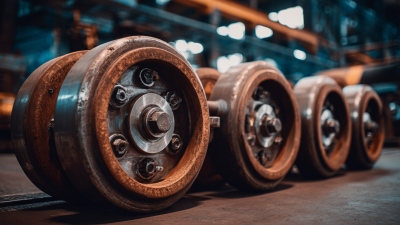
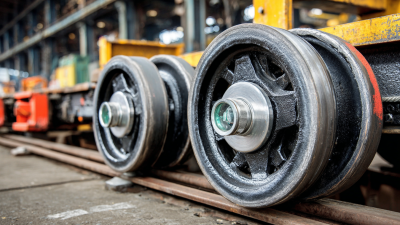
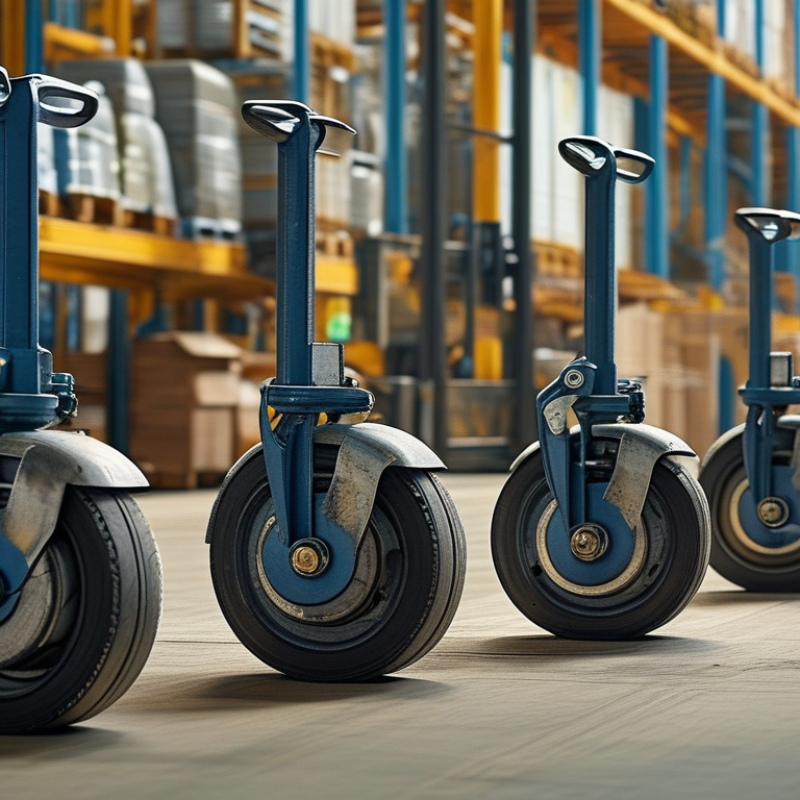
Heavy caster wheels provide significant advantages for industrial applications. Their robust design enables them to support heavy loads with ease. These wheels are often constructed from durable materials, which ensures longevity and reliability. In demanding environments, such as warehouses or factories, the ability to withstand wear and tear is crucial.
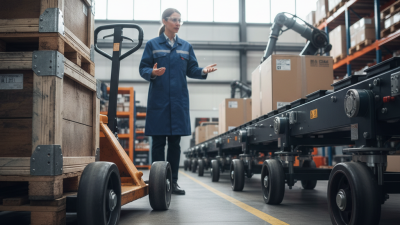
Inaddition to durability, heavy caster wheels improve maneuverability. When equipped with swivel capabilities, they allow for easy navigation around tight spaces. This enhances productivity, enabling workers to move materials quickly. Using heavy casters also reduces strain on equipment and personnel by distributing weight evenly. They can adapt to various surfaces, making them versatile.
However, selecting the right heavy caster wheel requires careful consideration. It may be easy to overlook the importance of load ratings or wheel size. Mistakes here can lead to inefficiencies or even accidents. Reflecting on past choices can help in making informed decisions. Balancing needs and capabilities is essential for optimal performance in any industrial setting.
Key Considerations When Choosing Heavy Caster Wheels
When selecting heavy caster wheels, several key considerations can impact your decision. The load capacity is crucial. Heavy-duty casters often support weights ranging from 500 to 5,000 pounds. It's important to ensure that the wheels can handle the demands of your specific application without risk of failure.
Another factor to evaluate is swivel versus rigid casters. Swivel casters provide maneuverability, but they may also introduce stability issues under heavy loads. Rigid options offer more stability but can limit movement. For environments with barriers or tight corners, the right balance between swivel and rigid casters is essential.
**Tips:** Look for wheels made from durable materials like polyurethane or thermoplastic rubber. These materials can reduce noise and protect floors from damage. Also, verify the wheel's temperature tolerance, especially in industrial settings.
Buyers should be aware of the wheel's wheel plate size. A larger plate can offer more stability and weight distribution. In contrast, smaller plates may require frequent adjustments or replacements. Researching these elements can significantly impact the efficiency and safety of your operations.
What is Heavy Caster Wheels Benefits and Best Options?
| Feature |
Benefit |
Best Material |
Load Capacity (lbs) |
Wheel Diameter (inches) |
| Durability |
Long lifespan, less frequent replacement |
Polyurethane |
600 |
6 |
| Maneuverability |
Easier to navigate heavy loads |
Rubber |
800 |
8 |
| Shock Absorption |
Reduces impact on surfaces and loads |
Thermoplastic Rubber |
500 |
5 |
| Noise Reduction |
Quieter operation |
Urethane |
700 |
7 |
| Corrosion Resistance |
Suitable for wet or harsh environments |
Stainless Steel |
900 |
10 |
Types of Heavy Caster Wheels: Material and Design Overview
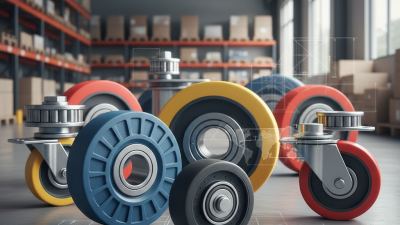
Heavy caster wheels come in various materials and designs, each offering unique advantages. Understanding these options can guide effective choices for your specific needs. The most common materials include rubber, polyurethane, and metal.
Rubber wheels are excellent for indoor use due to their quiet operation and floor protection. However, they may not hold up well on rough surfaces. Polyurethane wheels provide a balance between durability and smooth movement. They work well on uneven terrain, but they can be somewhat costly.
When it comes to design, heavy-duty casters can feature swivel or fixed types. Swivel casters allow for easy maneuvering in tight spaces but may require more effort to control. Fixed casters offer stability when moving in a straight line but can be cumbersome in confined areas.
It's essential to consider the weight capacity and intended use. Overloading wheels can lead to premature wear. Some designs prioritize aesthetics, which might detract from functionality. Always think about the primary purpose when selecting a caster. It’s a balance between practicality and appearance that requires careful consideration.
Comparative Analysis of Top Heavy Caster Wheel Brands and Models
When choosing heavy caster wheels, it’s vital to analyze the best models available. Various options cater to different needs, including
load capacity, wheel material, and design. High-quality wheels typically show superior performance under heavy loads. They reduce wear and tear
on floors and rolling surfaces, offering smooth movement.
Some brands provide detailed specifications that help in assessing their durability and functionality. Heavy duty wheels are often made from tough materials like
polyurethane or reinforced rubber. These materials resist wear and provide excellent shock absorption. However, users may encounter models
that do not perform as expected, leading to uneven wear or difficulty in mobility. Reading reviews can shine a light on these potential issues.
Dimensions play a crucial role as well. The size of the wheel affects its ability to roll over obstacles. Other factors include the swivel mechanism's design,
which should allow for effortless turns. Weight distribution is also key; improper load management can lead to instability. Users should ensure their choices align with
their specific applications to enhance overall efficiency.
Maintenance Tips to Enhance the Lifespan of Heavy Caster Wheels
Heavy caster wheels are crucial for moving heavy equipment and furniture. However, to ensure their longevity, regular maintenance is essential. Dust and debris are the biggest enemies of caster wheels. Cleaning them frequently can prevent buildup. This simple task keeps the wheels rolling smoothly.
Lubrication also plays a key role. Use a suitable lubricant on the wheel bearings to minimize wear. Be mindful not to over-lubricate; excess oil can attract more dirt and grime. Check the wheel alignment too. Misalignment can lead to uneven wear, ultimately shortening their lifespan.
Occasionally, inspect the wheels for cracks or deformities. These small issues can escalate if ignored. While it may seem tedious, taking time for maintenance can save money in the long run. Implementing these practices can enhance the performance of heavy caster wheels.
Benefits of Heavy Caster Wheels