Heavy Caster Wheels keep demanding loads moving across factory floors, warehouses, and busy work areas. The right choice can reduce rolling effort, protect flooring, and make equipment easier to position. The wrong one may wobble, wear quickly, or struggle over joints and thresholds. Small details matter.
This guide introduces ten heavy-duty caster options for industrial use, comparing their practical strengths and trade-offs. It considers load capacity, wheel material, diameter, bearing design, mounting style, and braking features. A published capacity is only a starting point. The combined load must account for the equipment, its contents, uneven weight distribution, and the number of casters supporting it. Floor condition matters too. A hard polyurethane wheel may roll smoothly on concrete, while a softer tread can help on rougher surfaces. No single wheel suits every site.
Look beyond the product label. Check dimensions, operating conditions, and manufacturer specifications before choosing a model. If carts cross metal seams all day, shock resistance and wheel size deserve close attention. If they remain parked on a slope, secure brakes become more important. Rankings can simplify a crowded market, but they cannot replace a site assessment. That is an imperfect limit, worth remembering. The ten selections ahead offer a practical starting point for matching caster design to real industrial demands.
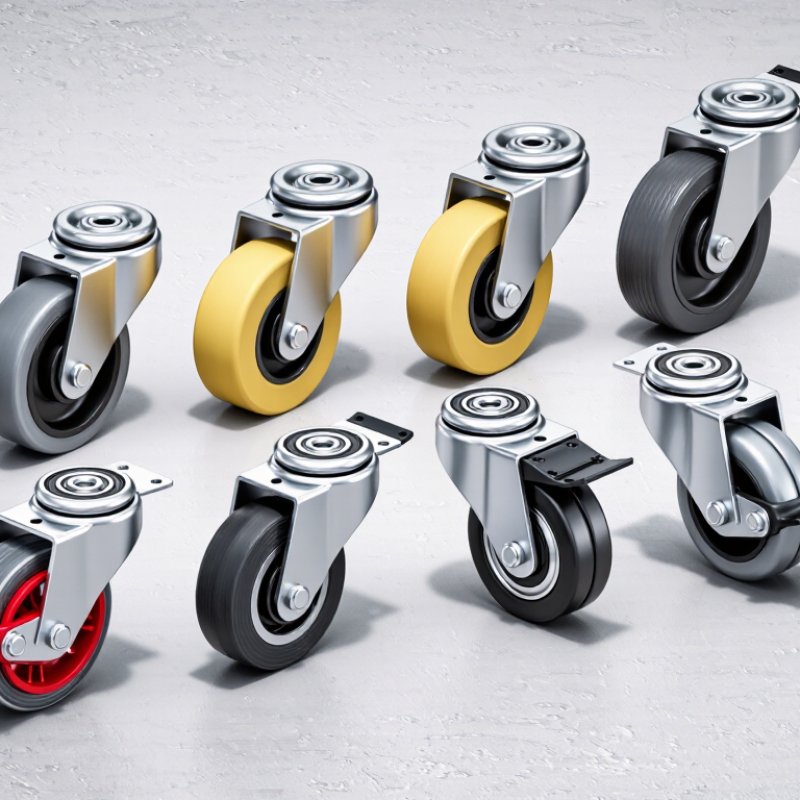
A heavy-duty industrial caster is defined by more than a thick wheel. Its rated capacity, frame, bearings, mounting plate, and wheel material must work together under real operating conditions. Check the full assembly rating, not just the wheel’s advertised capacity. For a four-caster cart, a conservative estimate divides the total loaded weight by three, since uneven floors can leave one caster partly unloaded. Add a safety margin for impact, speed, and frequent turning. Ratings are not interchangeable.
Standards help make performance measurable. ISO 22878 specifies test methods for castors and wheels, including tests that assess load and movement performance. In practice, ask suppliers for test conditions and confirm they resemble your floor, travel speed, and duty cycle. A caster that rolls smoothly on polished concrete may struggle over floor joints or metal chips. Small details matter.
Rolling resistance also affects worker effort. The U.S. Bureau of Labor Statistics reported 2.6 million nonfatal workplace injuries and illnesses in private industry in 2023; this figure is not caster-specific, but it underscores why safer material handling deserves attention. A softer tread may absorb vibration, yet increase push effort. Harder wheels roll easily, but can transmit shocks. There is no perfect wheel. The best choice comes from testing a loaded cart on the actual route, then checking heat, noise, and wheel wear after repeated shifts.
Industrial caster performance starts with the load, but static capacity alone can mislead. Estimate the total equipment weight, then include its contents and a reasonable safety margin. Consider how weight shifts during turns or when crossing floor joints. A cart may feel stable on smooth concrete and wobble on a cracked threshold. Test it under realistic conditions.
Wheel material affects rolling effort, floor wear, noise, and impact absorption. Hard wheels often roll efficiently on smooth floors, while softer treads can reduce vibration on uneven surfaces. There is a trade-off. Check the floor coating, temperature, moisture, and exposure to oils or cleaning agents. Bearing type matters too: frequent starts, long travel distances, and dusty work areas place different demands on movement. Measure mounting height and bolt pattern carefully; a small mismatch can cause uneven loading. Brakes should hold the cart on the slopes and surfaces where it will actually be parked. Specifications rarely capture every daily bump, so observe a loaded caster over a normal work shift and inspect tread wear, loosened fasteners, and steering effort. One detail is easy to miss: operators may push from different angles, changing caster behavior.
Choosing a heavy caster starts with load, floor condition, travel distance, and cleaning needs.
The U.S. Bureau of Labor Statistics reported about 2.6 million nonfatal workplace injuries and illnesses in private industry in 2023. That figure is not caster-specific, but it underlines why safer cart handling matters.
Check the full cart load, including uneven weight distribution. Then test on the actual floor.
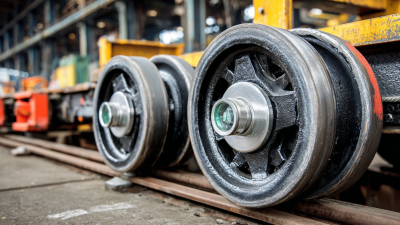
Forged-steel wheels suit foundries and extremely heavy, slow-moving loads.
Cast iron handles hot, rough industrial floors.
Polyurethane-on-iron carries heavy loads while reducing noise and floor damage;
polyurethane-on-aluminum offers a lighter option for mobile equipment.
Nylon wheels work well in wet areas where low rolling resistance matters.
Phenolic wheels suit dry, smooth floors and moderate heat.
Rubber wheels cushion fragile loads and soften vibration.
Pneumatic wheels absorb shocks outdoors on gravel or uneven ground.
V-groove wheels follow floor tracks in production lines.
Stainless-steel casters resist corrosion in washdown areas.
No wheel is perfect. A hard wheel may roll easily but sound harsh on concrete; a soft tread can protect floors but raise push effort.
For example, measure the narrowest doorway and check for floor joints before choosing. Confirm each caster’s rated capacity against the working load, not just the empty cart.
Still, real-world trials sometimes reveal details a specification sheet misses.
Top 10 Heavy Caster Wheels for Industrial Use
Choosing a heavy caster wheel starts with the floor and the load, not the catalog photo. Polyurethane treads often roll quietly and protect finished concrete. Nylon handles moisture well, but can sound harsh on uneven floors. Rubber grips well and absorbs vibration, though it may take more effort to push. These are useful starting points, not fixed rules. Heat, oils, debris, and floor seams can change how a wheel performs.
Match the mount to both the equipment and its frame. A top plate spreads force across several bolts, while a stem mount needs a properly sized socket. Check bolt spacing, plate thickness, and clearance for swivel movement and brakes. Include the heaviest load and movement impacts when checking capacity. A rating alone can mislead: frequent starts, thresholds, or uneven loading add stress. The right wheel can still fail if its mounting surface flexes.
Tips: Measure the floor, load, and mounting pattern before ordering. Test one caster under normal working conditions. Watch for flat spots, loose fasteners, and unexpected push effort. Real conditions are sometimes messier than the specification sheet.
Approximate upper continuous operating temperatures vary by wheel design and material formulation. Match the wheel material to heat, floor conditions, and load; choose rigid mounts for straight-line travel and swivel mounts when maneuverability is needed. Confirm ratings with the caster supplier for your application.
Installing heavy industrial casters begins with the load, not the wheel. Add the machine’s weight to its maximum operating load, then divide by the number of casters. Uneven floors can leave one wheel carrying more than its share, so allow a practical safety margin. Keep the mounting surface flat and clean. Use bolts that match the caster plate and secure them evenly. Keep it level. A slightly crooked plate can cause steering problems later.
Inspect casters before each shift when equipment is used heavily. Look for flat spots, tread cuts, loose fasteners, bent forks, and cracks around welds. Spin each wheel by hand when the equipment is safely unloaded. It should turn without grinding or catching. Test swivel movement and brakes, too. Dust and metal shavings can hide in the bearing area; wipe them away before judging wear. Small details matter.
Set a regular maintenance interval based on use, floor conditions, and the caster maker’s instructions. Clean away debris, tighten loose hardware, and lubricate only parts designed to accept lubricant. Sealed bearings generally should not be opened or greased. Replace a caster if its wheel wobbles, its fork is distorted, or its brake no longer holds reliably. Don’t wait for a noisy wheel to fail under load. Record inspections and replacements, even when the notes seem repetitive; patterns often reveal a rough floor or overloaded cart.
Typical per-caster capacity ranges vary by wheel size, bearing, fork, mounting, and operating conditions. Always use the caster manufacturer’s published rating and installation instructions; do not exceed the rating of any component in the assembly.
| # | Caster Wheel Type | Typical Capacity per Caster | Common Applications | Installation Notes | Inspection and Maintenance |
|---|---|---|---|---|---|
| 1 | Polyurethane on iron | Approx. 800–3,000 lb (360–1,360 kg) | Plant carts, machinery, and material-handling equipment on smooth concrete | Match the top plate or stem to the equipment. Tighten fasteners to the specified torque and secure the load before moving. | Check for tread cuts, flat spots, wheel wobble, bearing noise, and loose mounting hardware. Clean debris from the axle area. |
| 2 | Forged steel | Approx. 2,000–10,000 lb (910–4,540 kg) | Very heavy machinery and equipment moved over hard, durable floors | Use a suitably rated frame and fasteners. Confirm the floor can support concentrated wheel loads; steel wheels can damage softer surfaces. | Inspect the wheel, axle, fork, and mounting plate for cracks, deformation, corrosion, or looseness. Lubricate bearings only as specified. |
| 3 | Cast iron | Approx. 800–4,000 lb (360–1,810 kg) | Industrial carts and equipment in high-load, high-temperature, or oily environments | Select a wheel and bearing suitable for the temperature and contaminants present. Avoid use on floors that may chip or crack under hard wheels. | Look for chips, cracks, flat spots, and bearing wear. Remove metal shavings and other debris that could obstruct rotation. |
| 4 | Nylon | Approx. 700–3,000 lb (320–1,360 kg) | Wet or washdown areas, and applications requiring low rolling resistance | Verify chemical and temperature compatibility. Install on a clean, level mounting surface and check that the wheel turns without rubbing the frame. | Inspect for cracks, wear, embedded debris, and excessive play. Check bearings and mounting fasteners at scheduled intervals. |
| 5 | Phenolic resin | Approx. 600–2,500 lb (270–1,130 kg) | Industrial service where resistance to some oils, grease, or moderate heat is needed | Confirm the wheel’s temperature and chemical limits for the specific resin. Avoid impact loading and uneven floors where practical. | Check for chips, cracks, surface wear, and bearing damage. Replace wheels showing structural damage rather than attempting repairs. |
| 6 | Rubber on iron | Approx. 300–1,500 lb (135–680 kg) | Equipment requiring quieter rolling and improved floor protection | Choose a tread hardness and wheel size suited to the load and floor. Ensure the rubber tread is free to roll and does not contact the fork. | Inspect for tread separation, cuts, hardening, embedded debris, and flat spots. Check axle and swivel movement for wear. |
| 7 | Pneumatic | Approx. 300–1,200 lb (135–545 kg) | Outdoor yards, rough ground, and applications needing shock absorption | Inflate to the pressure specified for the tire and load. Check clearance around the larger wheel before fitting the caster. | Check pressure, tread wear, punctures, sidewall damage, axle condition, and mounting security. Replace damaged tires promptly. |
| 8 | Stainless steel with polyurethane tread | Approx. 500–2,000 lb (225–910 kg) | Food-processing, washdown, and corrosive or frequently cleaned environments | Verify that the complete assembly, including bearings and fasteners, suits the cleaning chemicals and exposure conditions. | Rinse and dry as appropriate for the environment. Inspect for corrosion, tread damage, trapped debris, and bearing or swivel wear. |
| 9 | V-groove steel | Approx. 1,000–4,000 lb (455–1,810 kg) | Guided movement along compatible floor tracks or rails | Match the groove profile to the track. Align the wheel and rail carefully, and ensure the track is securely supported and unobstructed. | Inspect the groove and track for wear, chips, debris, and misalignment. Check bearings, axle security, and smooth tracking. |
| 10 | High-temperature phenolic | Approx. 500–1,500 lb (225–680 kg) | Ovens, foundries, and other applications involving elevated temperatures | Confirm the rated operating temperature for the wheel, bearing, lubricant, and caster assembly. Install only after equipment is safely supported. | Inspect for heat-related cracking, deformation, bearing seizure, and fastener loosening. Follow the maker’s lubrication and replacement guidance. |
Capacity check: A common planning approach is to divide the total loaded weight by three when four casters support a rigid unit, allowing for uneven floors or imperfect load distribution. This is only a guideline; use the equipment designer’s method and the caster manufacturer’s rated capacity.