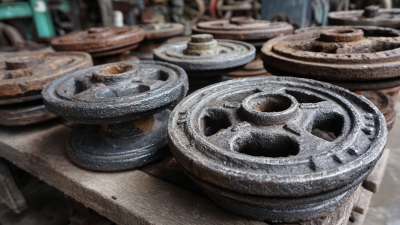
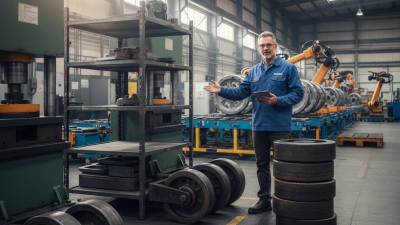
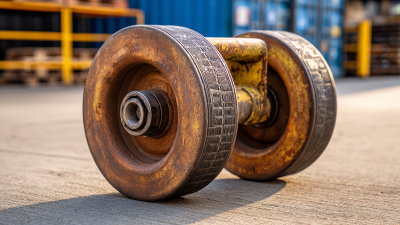
Iron Castor Wheels Trends at Canton Fair 2026 What Buyers Need to Know
In 2026, the Canton Fair will showcase innovative trends in various industries, including Iron Castor Wheels. This biennial event is set to take place in three phases, from April to May. Each phase will focus on different sectors, such as advanced manufacturing and quality home goods. Buyers interested in Iron Castor Wheels need to be aware of recent updates in design and technology.
The introduction of AI features at the fair will enhance the experience for attendees. With smart navigation and AI search, buyers can quickly find suppliers meeting specific certifications, like ISO and CE. This efficient system will make it easier to explore the vast exhibition space of 1.55 million square meters. However, navigating through this impressive array of products may present some challenges.
Iron Castor Wheels will likely catch the attention of many buyers. Their applications span industrial and home use, highlighting versatility. Still, buyers should critically assess product quality and supplier reliability. Engaging in meaningful conversations with suppliers will uncover insights that brochures cannot provide. The Canton Fair promises to be an exciting platform, but buyers must remain vigilant in their evaluations.
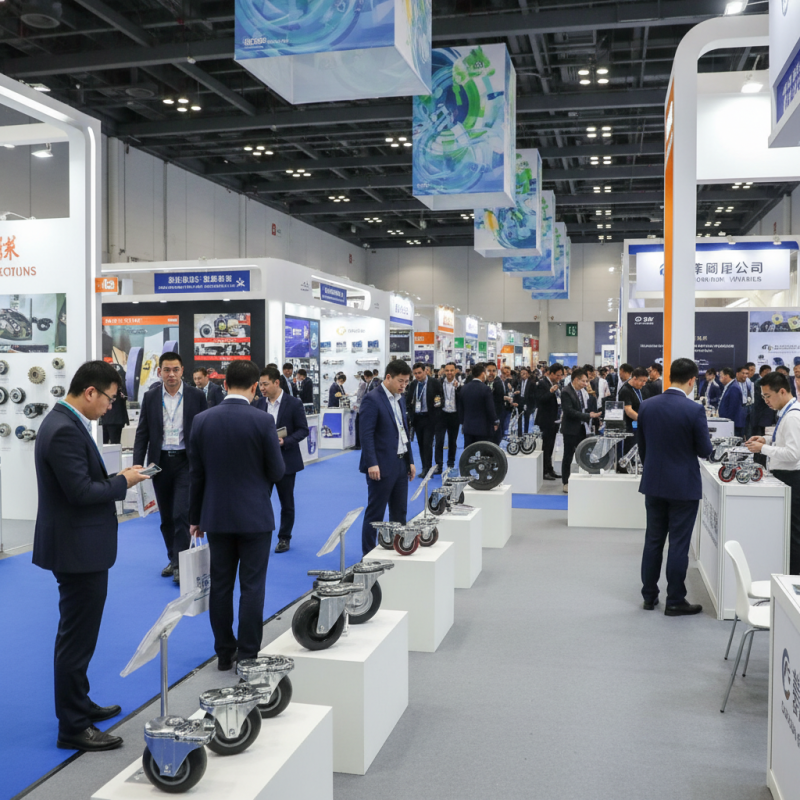
Iron Castor Wheels Market Overview and Growth Projections for 2026
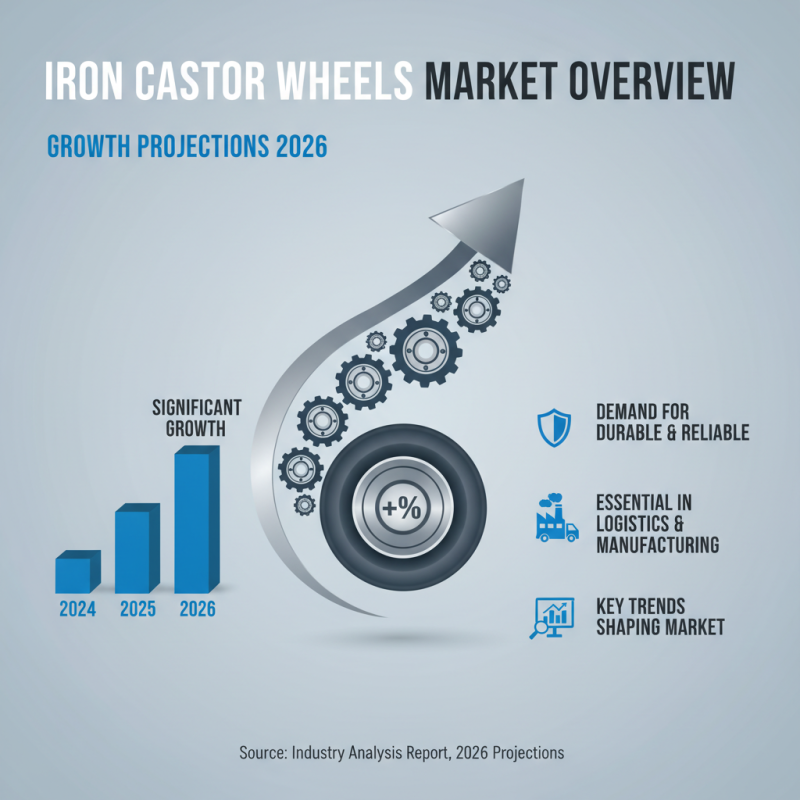
The iron castor wheels market is expected to experience significant growth in 2026. The demand for durable and reliable wheels is rising. Many industries, including logistics and manufacturing, rely on these essential components. Buyers should be aware of trends shaping this market.
Quality and material play crucial roles. Buyers should look for wheels that can withstand heavy loads. However, the choices can be overwhelming. It's essential to compare options and check specifications. Not all products meet high standards.
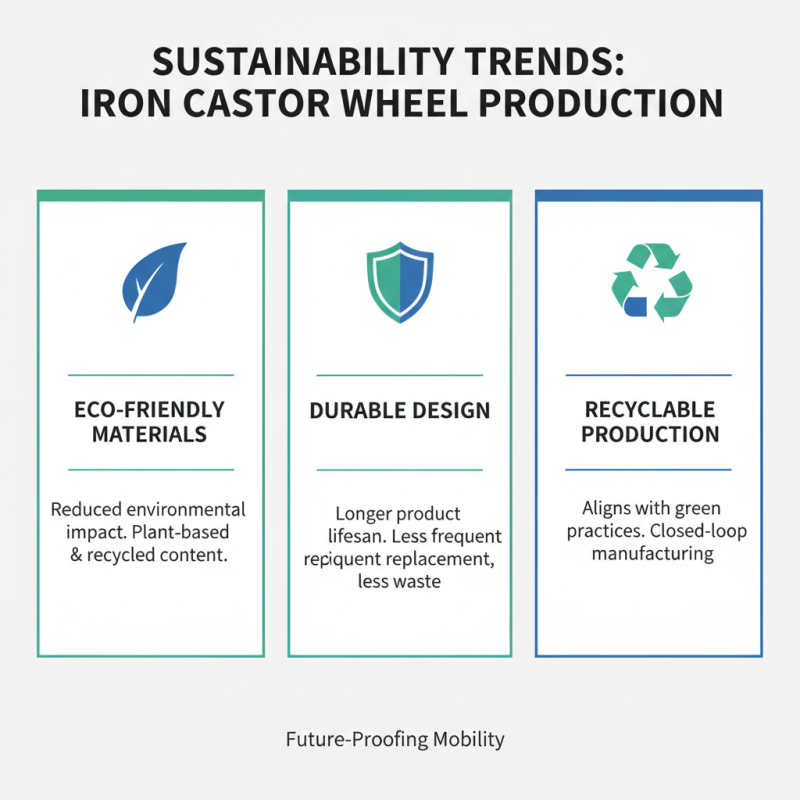
Tip: Focus on suppliers with positive reviews. Check if they offer customization options. This could lead to better fitting for specific needs. Also, consider the impact of eco-friendly materials. They may provide added value in today's conscious market. Balancing cost and quality is vital. Some cheaper options may not last.
As you prepare for your purchasing decisions, keep these factors in mind. The ever-changing market means staying informed is key. Being proactive can yield better results in your sourcing endeavors.
Key Innovations in Iron Castor Wheels: Features Driving Buyer Interest
At the Canton Fair 2026, iron castor wheels are gaining significant attention. Buyers are showing keen interest in key innovations that enhance performance. According to recent industry reports, the market for castor wheels is projected to grow by 5% annually. This growth is driven by advancements in materials and design.
One major trend is the development of more durable and lightweight materials. Manufacturers now use advanced alloys and composites. This shift not only reduces the overall weight of castor wheels but also increases their load-bearing capacity. Buyers are particularly interested in wheels that can support higher weights without compromising mobility. Additionally, features such as noise reduction technology and swivel capabilities are captivating buyer interest.
However, some challenges persist. Not all innovations may fit every buyer's unique needs. For instance, while some wheels excel in heavy-duty applications, they may lack versatility for light-duty use. Buyers must carefully evaluate their requirements. Identifying the best features for specific applications remains a complex task. The continuous evolution of castor wheel technology indicates a promising future, yet it raises questions about how to balance innovation with practical utility.
Pricing Analysis: Factors Influencing Iron Castor Wheel Costs at Canton Fair
The Canton Fair in 2026 is set to showcase emerging trends in iron castor wheels. Buyers must understand the pricing dynamics influenced by several key factors. Material costs play a significant role, as fluctuations in raw material prices have a direct impact on production expenses. In recent years, iron prices have seen volatility. According to industry reports, a 15% increase in iron prices can elevate production costs significantly.
Labor costs are another vital factor. The industry report indicates a trend towards automation, which may stabilize labor expenses in the long run. However, in regions with skilled labor shortages, costs could rise. This shortfall sometimes leads to increased lead times for production. Buyers need to consider these possibilities when budgeting for purchases.
Additionally, market demand can drive prices upward. In periods of high demand, such as post-event seasons, suppliers may increase prices to maximize profits. It's essential for buyers to stay informed and be proactive. Effective negotiations can yield better pricing outcomes. However, it's crucial to discern the quality of castor wheels, as a lower price may sometimes compromise durability. Always assess the value, not just the cost.
Iron Castor Wheels Pricing Trends at Canton Fair 2026
This bar chart illustrates the key factors influencing the pricing of iron castor wheels at the Canton Fair 2026. The data shows the percentage contribution of each factor to the overall cost, indicating where buyers should focus their attention for better price understanding.
Key Manufacturers and Competitors in the Iron Castor Wheel Industry
The iron castor wheel industry is experiencing dynamic changes. Key manufacturers are pushing boundaries in design and production. According to a recent market report, the global castor wheel market is projected to reach USD 2.5 billion by 2026. This growth is driven by increased demand across various sectors, including logistics and manufacturing.
Buyers should keep an eye on emerging competitors in this space. Many new players are entering the market, offering innovative solutions. For instance, lightweight designs and improved load capacities are trending. However, not all designs meet high quality standards. Some manufacturers struggle with consistency, which can impact performance and longevity.
In recent years, environmental concerns have also emerged. Sustainable materials are gaining traction. However, few manufacturers have effectively adopted eco-friendly practices. This gap presents opportunities for buyers looking for more responsible options. Industry experts recommend evaluating supply chains critically. Balancing quality and sustainability remains a challenge for many in the iron castor wheel sector, providing insight into future needs.
Iron Castor Wheels Trends at Canton Fair 2026
| Dimension (mm) |
Load Capacity (kg) |
Material Type |
Wheel Type |
Application |
| 100 x 50 |
250 |
Cast Iron |
Fixed |
Industrial Equipment |
| 125 x 60 |
300 |
Cast Iron |
Swivel |
Furniture |
| 150 x 70 |
500 |
Cast Iron |
Fixed |
Heavy Machinery |
| 200 x 80 |
750 |
Cast Iron |
Swivel |
Warehouse Racks |
| 250 x 100 |
1000 |
Cast Iron |
Swivel with Brake |
Transport Trolleys |