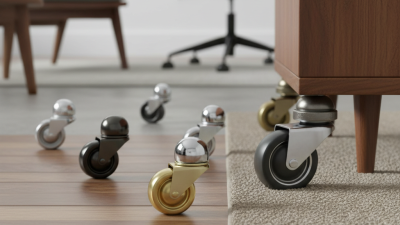
Top Quality Antique Metal Casters for Global Buyers?
Antique Metal Casters have gained significant attention among collectors and furniture enthusiasts. Their unique charm brings an air of elegance to any piece. These vintage items are not just functional; they tell a story of craftsmanship and history.
Crafted from durable metal, Antique Metal Casters showcase the artistry of past artisans. Each piece varies in design, reflecting the era and culture from which it originates. Buyers often seek these casters for restoration projects or to enhance modern furniture. The allure lies in their authenticity, offering a touch of nostalgia.
However, navigating the market can be tricky. Authentic casters can be hard to distinguish from replicas. Buyers must educate themselves about hallmark features and production methods. A keen eye can help ensure that you acquire quality pieces that honor their history. This quest for genuine Antique Metal Casters can be rewarding, enhancing both aesthetic and investment value.
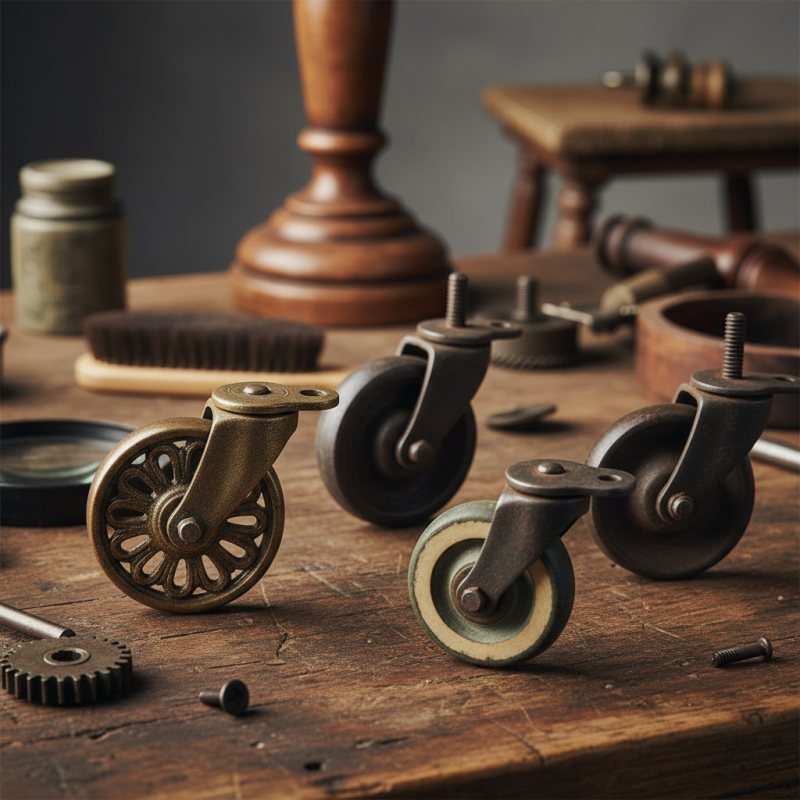
Top Quality Antique Metal Casters: A Global Market Overview
Antique metal casters are more than just functional items; they are a blend of art and history. Buyers globally seek high-quality casters, knowing that each piece often carries its own story. These items reflect craftsmanship that transcends generations. The global market is diverse, with some regions favoring specific styles. For instance, European designs often embrace intricate detailing, while American designs lean towards simplicity.
Many buyers focus on authenticity when selecting antique metal casters. This desire for genuine products can sometimes lead to challenges. Some sellers may not provide clear provenance or history. This lack of transparency can make it difficult for buyers to ensure they are acquiring real antiques. Trust in suppliers is paramount. Understanding the market helps buyers avoid mistakes.
Quality varies widely across the market. Not all metal casters labeled as "antique" are made with the same care. Attention to detail is key. Buyers should observe the materials and construction. Some casters may have been restored, affecting their value. It's vital to be discerning. Collectors often need to weigh their options, balancing price with authentic quality. Insights into manufacturing techniques can aid this process.
Historical Significance and Popularity of Antique Metal Casters
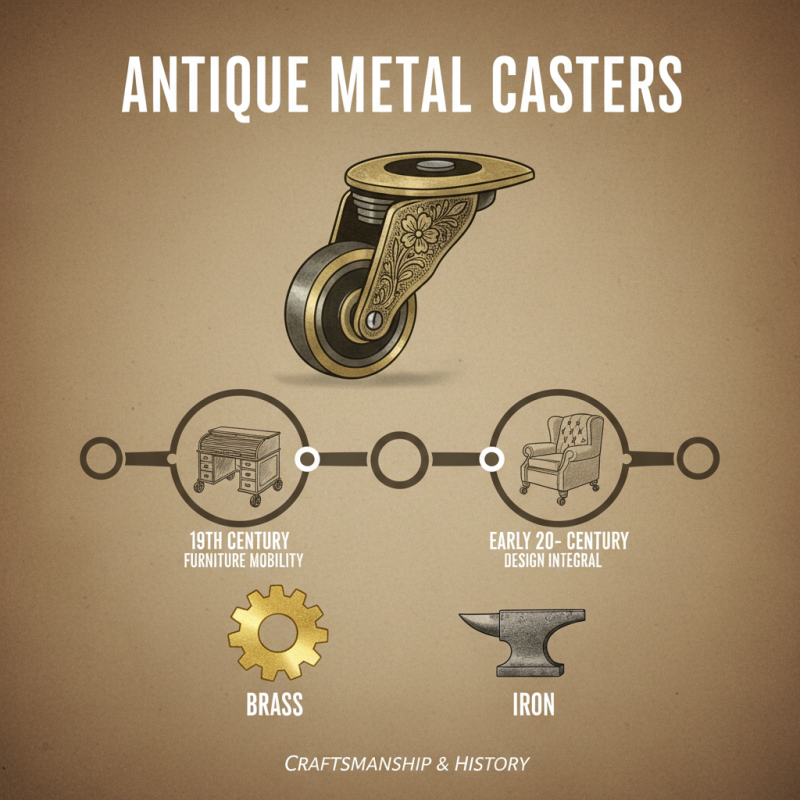
Antique metal casters have a rich historical significance. These small wheels were integral to furniture design in the 19th and early 20th centuries. They made heavy items easier to move. Crafted from materials like brass and iron, these casters showcase intricate designs. Their craftsmanship reflects the era’s attention to detail.
The popularity of antique metal casters continues today. Collectors seek them for restoration projects, while interior designers favor them for vintage aesthetics. Many appreciate their blend of function and beauty. However, not all antique casters are created equal. Some may bear wear and tear that requires careful restoration.
As such, buyers should educate themselves before investing. Understanding the materials used and recognizing genuine designs can be challenging. It is essential to thoroughly inspect the items. Authenticity can sometimes be misleading. Engaging with knowledgeable sources can enhance the buying experience. Each caster has a story, waiting to be uncovered.
Key Materials and Manufacturing Techniques in Antique Casters
Antique metal casters have gained popularity among global buyers, thanks to their unique craftsmanship and aesthetic appeal. The materials used in these casters are often brass, iron, and even bronze. Each metal brings its own character, affecting the overall look and durability. Brass casters often exhibit a warm glow, while iron can provide a rustic charm. Many artisans prefer using high-quality metals to ensure longevity.
The manufacturing techniques play a crucial role in the quality of antique casters. Traditional methods such as casting and forging contribute to their distinctive designs. Skilled craftsmen pour molten metal into molds to create intricate shapes. These techniques require a high level of expertise. Some modern methods can lack the charm of handcrafting, leaving buyers yearning for authenticity. Each piece tells a story through its imperfections and unique markings.
While many casters are designed for function, their beauty often captivates collectors. It's important to evaluate the finish and patina. These details can reveal the caster’s age and history. Inspecting the attachment methods is essential too. Some may use rivets, while others have screws. Understanding these elements can help buyers make informed choices. However, navigating the market can be challenging, with replicas often misleading the eye.
Top Quality Antique Metal Casters for Global Buyers
| Caster Type |
Material |
Ball Diameter (mm) |
Load Capacity (kg) |
Finish Type |
Manufacturing Technique |
| Swivel Caster |
Brass |
50 |
100 |
Polished |
Die Casting |
| Fixed Caster |
Iron |
60 |
150 |
Rustic |
Forging |
| Brake Caster |
Bronze |
40 |
80 |
Antique Finish |
Casting |
| Plate Caster |
Steel |
70 |
200 |
Chrome Plated |
Welding |
Market Trends: Demand for Antique Casters in Different Regions
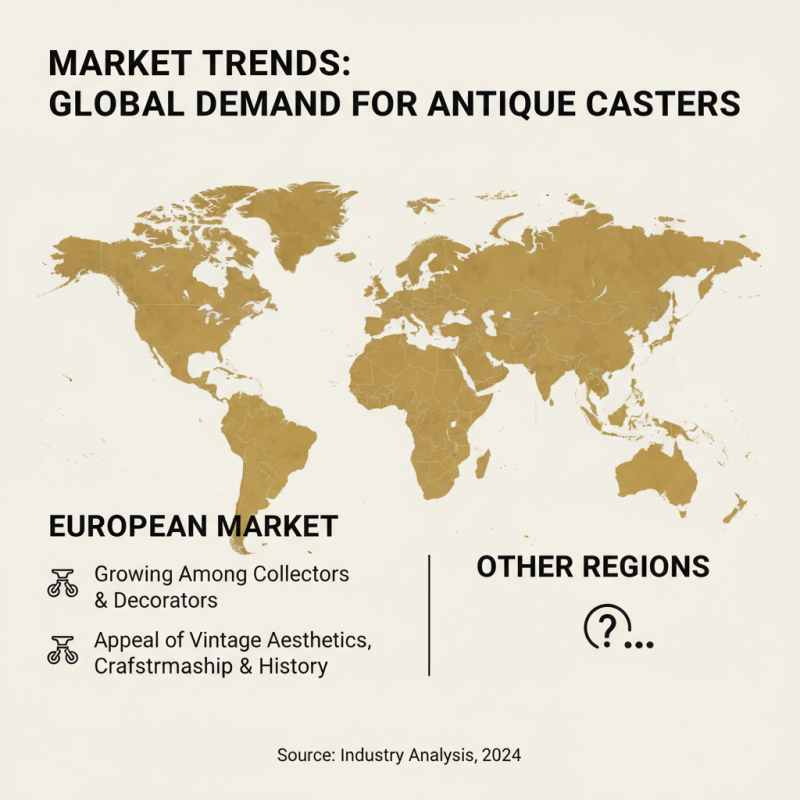
As the demand for antique metal casters continues to grow, various regions exhibit unique trends. In Europe, antique casters are gaining popularity among collectors and decorators. The charm of vintage aesthetics appeals to many. These casters often reflect skilled craftsmanship and historical significance. Enthusiasts are eager to find pieces that tell a story.
In North America, there is a rising interest in restoration projects. Many homeowners are looking for authentic antique casters to update furniture. The trend emphasizes sustainability and the appeal of timeless designs. However, some buyers express concern about quality. Not all antique casters are created equal. Ensuring the durability of these items is crucial.
Asia also shows a growing market for antique casters. Many regions value the artistic elements of these products. Cultural significance often influences buyer choices. Yet, there is often confusion due to the abundance of replicas available. Educating buyers on authenticity is becoming increasingly important. Understanding these regional demands is essential for suppliers and artisans.
Quality Standards and Certifications for Antique Metal Casters
When looking for antique metal casters, quality standards are crucial. These standards ensure durability and functionality in various applications. Buyers should seek products that adhere to recognized certifications, reflecting genuine craftsmanship and reliability. Insufficiently tested casters can lead to premature failures.
Tips: Check for documentation. Many reputable suppliers provide certificates indicating quality compliance. Additionally, examine the materials used. High-grade metals are often more resistant to wear and tear.
Investing in antique metal casters is more than aesthetics. They should support heavy loads while maintaining elegance. However, not all products meet necessary standards. Some may show surface rust or weak joints, which can be misleading. It's wise to inspect each item closely. Small details matter significantly; a slight imperfection may indicate a deeper issue.
Tips: Trust your instincts. If a caster feels flimsy or looks poorly finished, reconsider your choice. Don't underestimate the importance of a reliable source. A vendor's reputation plays a crucial role in your purchasing decision.
Top Quality Antique Metal Casters