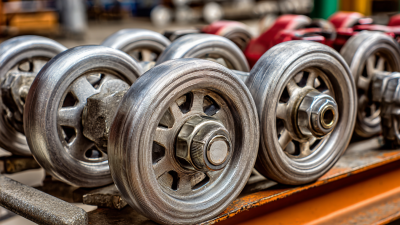
What is Stainless Casters and How to Choose the Right Ones?
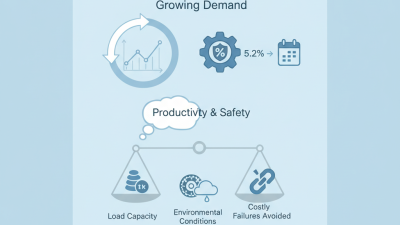
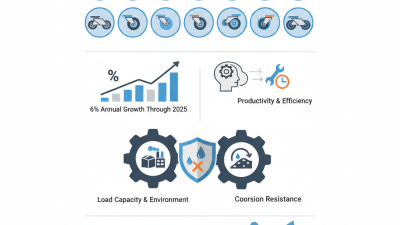
Stainless casters play a crucial role in various industries, providing mobility and ease of movement for equipment and products. According to a report by Grand View Research, the global caster market is expected to reach $5.3 billion by 2025, illustrating the growing demand for high-quality casters. Stainless casters are favored for their corrosion resistance and durability, making them ideal for both indoor and outdoor environments.
Choosing the right stainless casters involves considering factors like weight capacity, wheel size, and materials used. Casters made from high-grade stainless steel can withstand harsh conditions better than their counterparts. However, many buyers overlook specific needs, leading to mismatched choices that can hinder performance.
While stainless casters are reliable, they can be an investment. It’s essential to balance quality with cost. Some brands may offer cheaper alternatives. However, these may not provide the longevity that stainless casters typically do. Understanding your environment and load requirements is vital for selecting the appropriate caster.
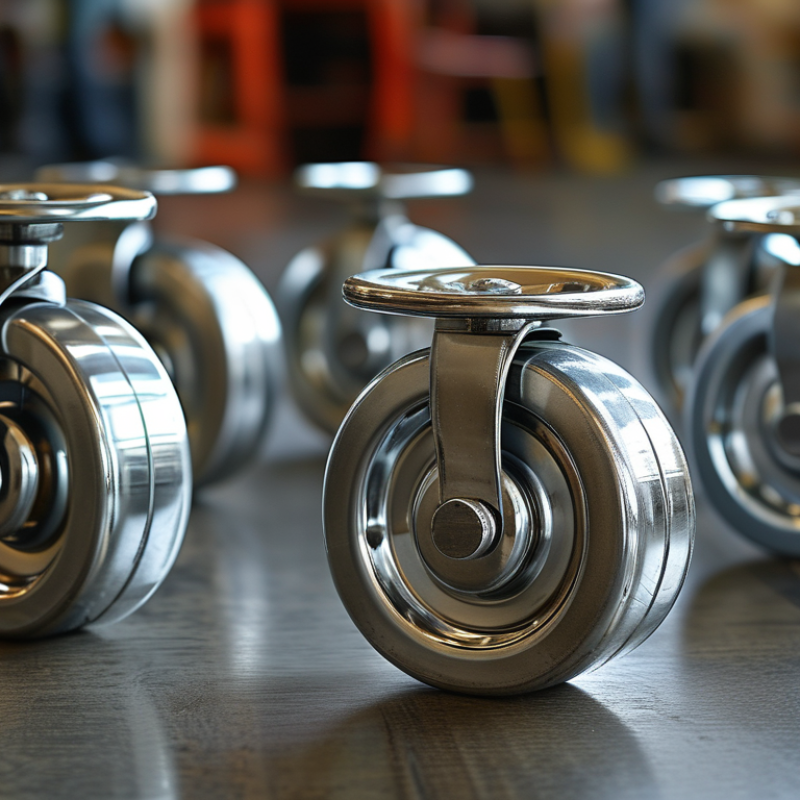
Definition and Characteristics of Stainless Casters
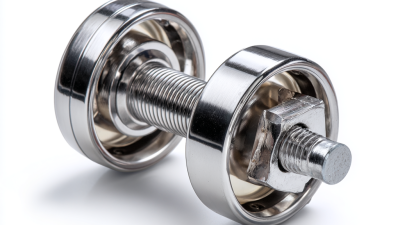
Stainless casters are essential components in various applications, providing mobility and support. Defined as wheels made from stainless steel, these casters resist corrosion and withstand harsh environments. Their unique properties make them ideal for use in industries such as food processing, medical facilities, and heavy-duty manufacturing where hygiene and durability are vital.
When selecting stainless casters, consider their load capacity and wheel size. The right dimensions are crucial to ensure functionality and safety. Furthermore, the type of bearing affects performance. Swivel casters offer maneuverability, while rigid casters provide stability. It’s important to reflect on the environment. For instance, will the casters face extreme temperatures or wet conditions? These factors influence the decision-making process.
It’s also valuable to assess the design of the caster. Some have brakes for added control, while others focus on smooth rolling. Choosing the wrong type can lead to inefficiencies and safety risks. Often, users overlook maintenance requirements. Regular inspections can extend the lifespan of casters, preventing costly replacements. A thoughtful choice today can save significant hassle tomorrow.
Types of Stainless Casters and Their Applications
When selecting stainless casters, understanding the different types available is crucial. Industrial environments often use plate casters due to their strength and durability. These can support heavy loads and resist corrosion. According to a recent industry report, plate casters can carry weights ranging from 500 to 2,000 pounds, depending on the design.
Rigid and swivel casters serve distinct purposes. Rigid casters stabilize heavy machinery, while swivel casters enable easy maneuverability. A notable study highlights that combining rigid and swivel casters can enhance mobility and balance. Additionally, stainless steel offers excellent oxidation resistance, making it suitable for food and pharmaceutical applications. In fact, 70% of food processing plants now prefer stainless casters to minimize contamination risks.
Consider the environment too. High-temperature areas require specially designed casters to endure extreme heat. A recent survey found that nearly 40% of facilities encounter issues due to unsuitable caster types for their specific needs. Utilizing specialized casters designed for unique conditions can significantly reduce these challenges. These factors underscore the importance of meticulous selection in enhancing operational efficiency and safety.
What is Stainless Casters and How to Choose the Right Ones? - Types of Stainless Casters and Their Applications
| Type of Stainless Caster |
Load Capacity (lbs) |
Wheel Diameter (inches) |
Application |
| Swivel Caster |
250 |
4 |
Industrial Equipment |
| Rigid Caster |
400 |
6 |
Warehouse Racks |
| Heavy-Duty Caster |
800 |
8 |
Trolleys and Heavy Machinery |
| Locking Casters |
300 |
5 |
Medical Carts |
| Polyurethane Wheels Caster |
350 |
5 |
Food Service Equipment |
Factors to Consider When Selecting Stainless Casters
When selecting stainless casters, several factors come into play. The weight capacity is crucial. Ensure the casters can handle the load of your equipment. Not all casters are created equal. Some may degrade when used in harsh environments.
Material matters too. Stainless steel is resistant to corrosion. However, the wheel material also affects performance. Consider using polyurethane wheels for smooth surfaces. These wheels reduce noise and improve maneuverability.
Here are a couple of tips:
- Test the casters under different conditions. This can reveal how they perform when fully loaded.
- Check the wheel diameter. Larger wheels navigate obstacles better, while smaller ones may provide agility in tight spaces.
Don't rush the decision. Reflect on your
specific needs. A well-chosen caster can enhance both
mobility and
safety.
Maintenance Tips for Ensuring Longevity of Stainless Casters
Stainless casters are essential components in various applications, providing mobility and ease of movement. However, their longevity requires proper maintenance. Regular inspections are crucial. Check for any wear and tear, especially on the wheels and bearings. Dirt and debris can accumulate, leading to unnecessary friction and damage.
Cleaning stainless casters should be a routine task. Use a soft cloth or brush along with mild detergent. Avoid harsh chemicals that could damage the finish. Lubrication is another key aspect. Apply a suitable lubricant to the wheel bearings at least every few months. This helps in maintaining smooth movement.
Store stainless casters in a dry environment when not in use. Moisture can lead to corrosion, even on stainless steel. Inspect and replace worn parts promptly to avoid more extensive damage. Remember, even the best products require care. Reflect on your maintenance practices and adjust as necessary.
Comparing Stainless Casters with Other Caster Materials
When comparing stainless casters to other caster materials, several factors come into play. Stainless steel offers unparalleled resistance to corrosion. This is particularly vital in environments exposed to moisture or chemicals. According to the Industrial Rubber Group, stainless steel casters typically last 50% longer than their rubber or plastic counterparts in such conditions.
While plastic casters are lightweight and cost-effective, they lack the durability of stainless steel. In heavy-duty applications, plastic can crack under stress, leading to frequent replacements. Reports show that up to 30% of users experience premature failure with plastic casters. This can result in increased operational costs.
Rubber casters, though quiet and shock-absorbent, also fall short in some environments. They can wear down quickly when exposed to certain oils and solvents. A survey from the Caster Association indicated that users in food processing or healthcare settings prefer stainless options for hygiene and safety, citing a 75% satisfaction rate. These differences illustrate the importance of material choice based on application needs. Choosing stainless means investing in longevity, but can you afford to overlook the specific requirements of your environment?