Essential Tips for Choosing the Right Furniture Castor for Your Home
When it comes to furnishing your home, the details often make the biggest difference, and one such detail is the choice of Furniture Castors. These small yet impactful components contribute not only to the functionality of your furniture but also to the overall aesthetic of your living space. Selecting the right Furniture Castor can enhance mobility, protect your flooring, and ensure that your furniture arrangements are both practical and stylish.
This guide will explore essential tips for choosing Furniture Castors that align with your specific needs and preferences. From understanding the different types and materials available to considering the weight capacity and style, we will provide valuable insights that will aid you in making an informed decision. Whether you're updating your home office chair or rolling cabinets in your kitchen, the right castors can significantly improve your furniture's performance and your home's appeal.
Understanding the Different Types of Furniture Castors Available
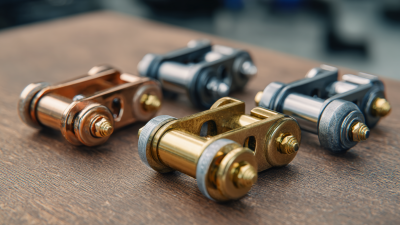
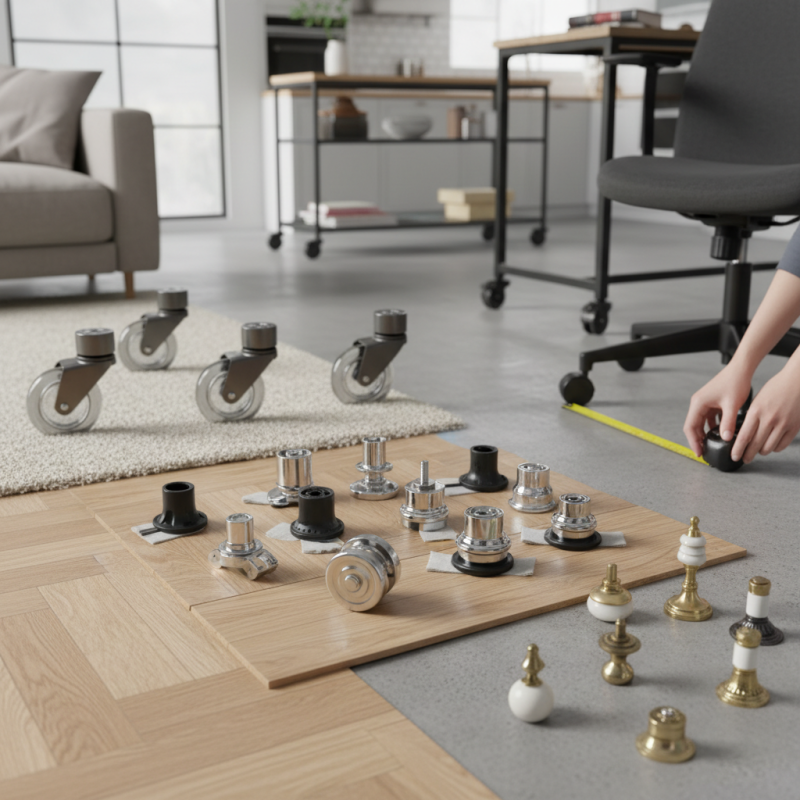
When it comes to selecting furniture castors, understanding the different types available can significantly impact your home's functionality and style. First, there are standard plastic castors, which are lightweight and ideal for furniture that needs to be moved occasionally, such as chairs and small tables. These castors typically come in a variety of colors, making it easy to match them with your furniture. However, if you require durable options for heavier items, consider using metal castors. These provide enhanced strength and stability, making them suitable for larger furniture pieces like cabinets and storage units.
Another important category is swivel castors, which allow for easier maneuverability in tight spaces. They can rotate 360 degrees, making it simple to move furniture in any direction. In contrast, fixed castors are designed to move in a straight line, making them ideal for items that do not need to be frequently relocated. Additionally, some castors feature a locking mechanism, providing security when you want to keep furniture stationary. By assessing your furniture’s weight, intended movement, and floor type, you can choose the most appropriate castor type for your specific needs, ensuring both ease of use and protection for your floors.
Evaluating Load Capacity Requirements for Safe Furniture Mobility
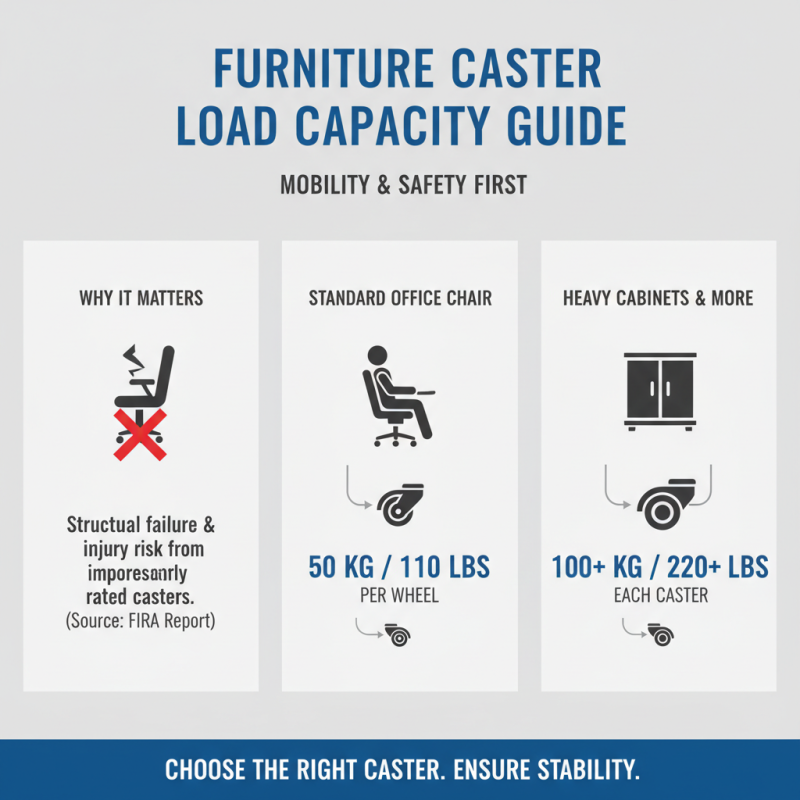
When selecting the right furniture castor, evaluating load capacity is critical for ensuring both mobility and safety. According to a report by the Furniture Industry Research Association, improperly rated castors can lead to structural failures and potential injuries. Depending on the type of furniture, such as office chairs or heavy cabinets, load capacity requirements can significantly vary; for instance, a standard office chair typically necessitates castors that can support at least 50 kg (about 110 lbs) per wheel, while larger furniture items may require castors rated for upwards of 100 kg (approximately 220 lbs) each.
To effectively determine the appropriate load capacity, it’s essential to first calculate the total weight of the furniture. This weight should encompass any additional items that might be placed on it. A comprehensive study indicated that approximately 75% of consumers underestimate the total weight of their furniture, which can lead to selecting inadequately rated castors. Additionally, it’s worth considering dynamic load versus static load. Dynamic load refers to the weight the castors can handle while in motion, while static load pertains to the weight they can support when at rest. Properly assessing both aspects ensures sustained performance and mobility of your furniture without compromising safety or stability.
Material Comparison: Rubber, Plastic, and Metal Castors Explained
When selecting the right furniture castor for your home, one of the key considerations is the material of the castor itself. Rubber, plastic, and metal are the three primary materials used for castors, each offering distinct advantages and drawbacks. According to a study by the Furniture Components Association, rubber castors provide superior traction and shock absorption, making them ideal for hardwood and tile floors. In environments where sound is a concern, such as libraries or shared living spaces, rubber castors are less likely to cause noise while moving furniture.
Plastic castors, on the other hand, are often lighter and more affordable, making them a popular choice for lighter furniture. However, they may not stand up to heavier loads as effectively as rubber or metal options. The American Castor and Wheel Association states that while plastic may suffice for occasional use, for everyday durable usage, especially on carpets or uneven surfaces, metal castors come out on top. With their robust build, metal castors are known for their longevity and load-bearing capacity, making them suitable for heavy furniture like office desks and storage units.
When choosing castors, consider the following tips: Always match the castor material to the flooring type and furniture weight to ensure optimal performance. Additionally, think about the desired mobility and noise levels—rubber is preferable for sensitive environments, while metal offers sturdiness for high-traffic areas. Finally, assess the surrounding design aesthetic; some castors come with decorative options that can enhance your furniture's appearance while still providing functionality.
Essential Tips for Choosing the Right Furniture Castor for Your Home
| Material |
Durability |
Noise Level |
Surface Protection |
Cost |
| Rubber |
High durability, resistant to wear |
Low noise, absorbs impact |
Excellent surface protection |
Moderate cost |
| Plastic |
Moderate durability, can crack over time |
Moderate noise level |
Limited surface protection |
Low cost |
| Metal |
Very high durability, can rust |
High noise, can scratch floors |
Good surface protection |
Higher cost |
Assessing Wheel Size and Hardness for Optimal Floor Protection
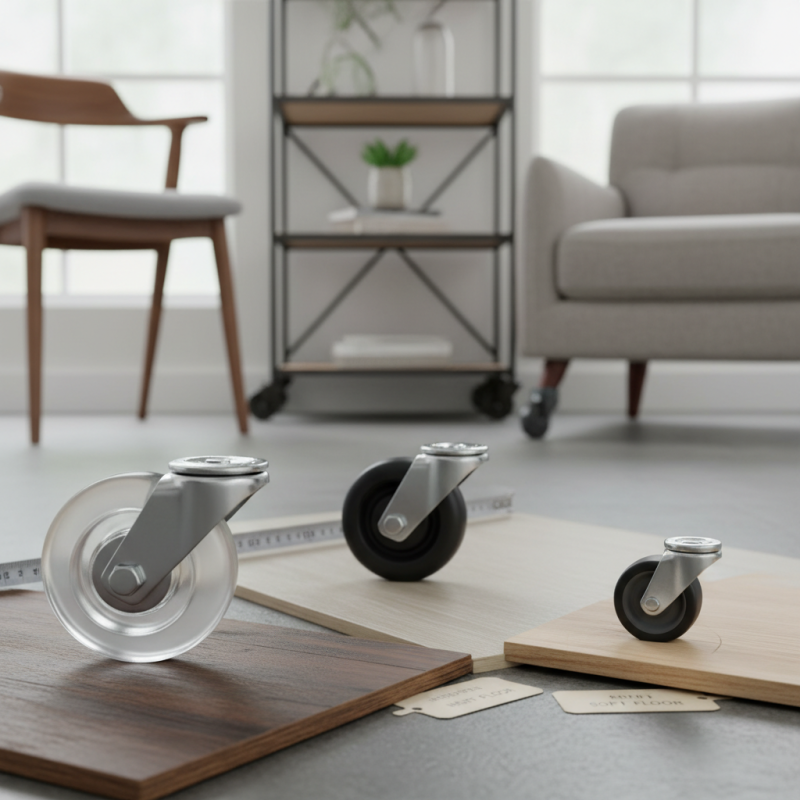
When choosing the right furniture castors for your home, assessing wheel size and hardness is crucial for ensuring optimal floor protection. The wheel size directly influences the distribution of weight and pressure on your flooring. Larger wheels typically distribute weight over a broader surface area, reducing the risk of damaging softer flooring materials like hardwood or laminate. Conversely, smaller wheels can concentrate pressure, leading to indentations and scratches. Therefore, selecting the appropriate wheel size aligns with both the weight of the furniture and the type of flooring you have in your home.
Hardness is another key factor in protecting your floors. Castors made from softer materials, such as rubber or polyurethane, are generally less likely to scratch surfaces if the furniture is moved frequently. However, overly soft wheels can wear down more quickly and may not roll as effectively on certain surfaces. On the other hand, harder wheels, while durable and stable, may cause more damage to softer flooring surfaces. It’s essential to strike a balance by considering the combination of wheel size and hardness to ensure that your furniture is both functional and floor-friendly. By making informed choices in these aspects, you can enhance the longevity and appearance of your flooring while enjoying the mobility of your furniture.
Choosing the Right Brake Mechanism for Stability and Safety
When selecting furniture castors, one of the most critical factors to consider is the brake mechanism. A reliable braking system is essential for ensuring stability and safety, particularly in high-traffic areas or on surfaces that are subject to movement. There are primarily two types of brake mechanisms: total locking and directional locking. Total locking castors secure both the wheel's rotation and the swivel movement, making them ideal for keeping heavy furniture stationary. This type is particularly beneficial for items like cabinets or workstations that need to remain in place during use.
On the other hand, directional locking castors only lock the wheel's swivel function while allowing it to roll freely. This option is useful for furniture that needs to be moved frequently but should stay oriented in a specific direction when stationary. It provides a balance between mobility and stability, making it suitable for items like office chairs or carts in a busy environment. Choosing the right brake mechanism not only enhances the functionality of your furniture but also contributes to a safer living space by preventing unwanted movement that could lead to accidents or damage.
Essential Tips for Choosing the Right Furniture Castor for Your Home
This chart illustrates the importance of various brake mechanisms for furniture castors in terms of stability and safety. A higher score indicates better suitability for home use.