Top 10 Iron Castor Wheels to Discover at 2026 Canton Fair?
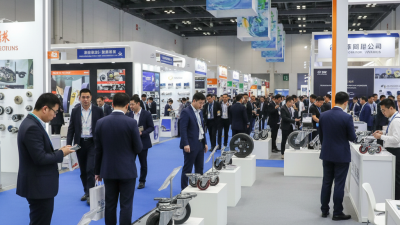
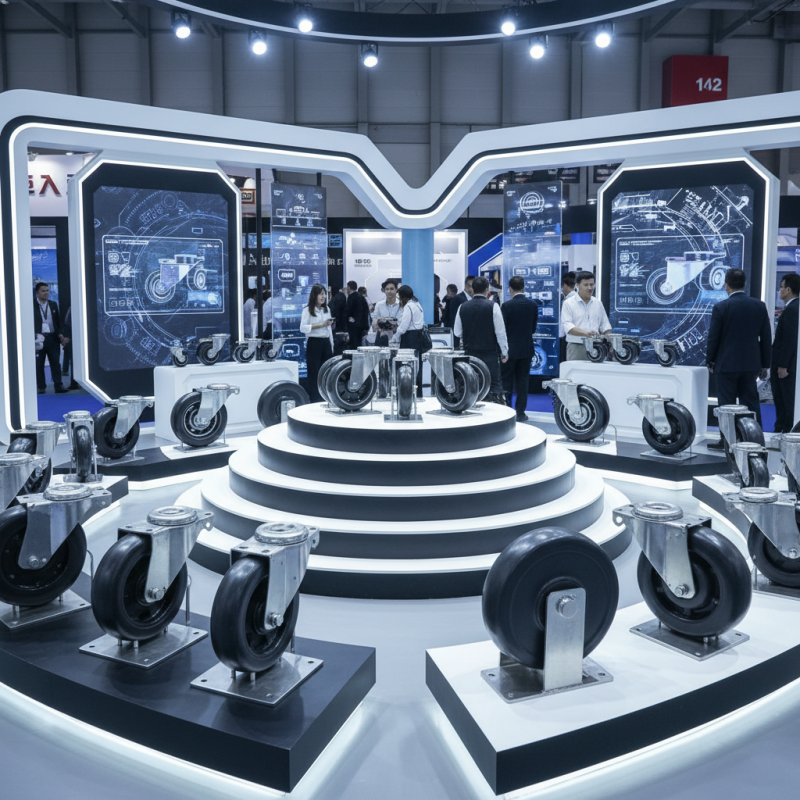
The 2026 Canton Fair is set to be a remarkable event for industry professionals. Among the innovations on display, Iron Castor Wheels stand out as a key interest for many attendees. The fair takes place in April and May, featuring advanced manufacturing and quality home products.
As businesses seek to optimize functionality, Iron Castor Wheels become essential. They offer durability and versatility across various applications. Depending on the supplier, these wheels can enhance mobility in factories and homes alike. Attendees will find numerous exhibitors showcasing cutting-edge designs and technologies.
However, with such variety comes the challenge of selection. Buyers must consider factors such as load capacity and wheel material. The introduction of AI-powered search tools at the fair will simplify this process. Yet, one must remain vigilant in evaluating supplier qualifications. Personalized navigation will help, but careful assessment remains crucial. The journey to discovering the perfect Iron Castor Wheels will be exciting yet complex.
Overview of Iron Castor Wheels: Key Features and Benefits
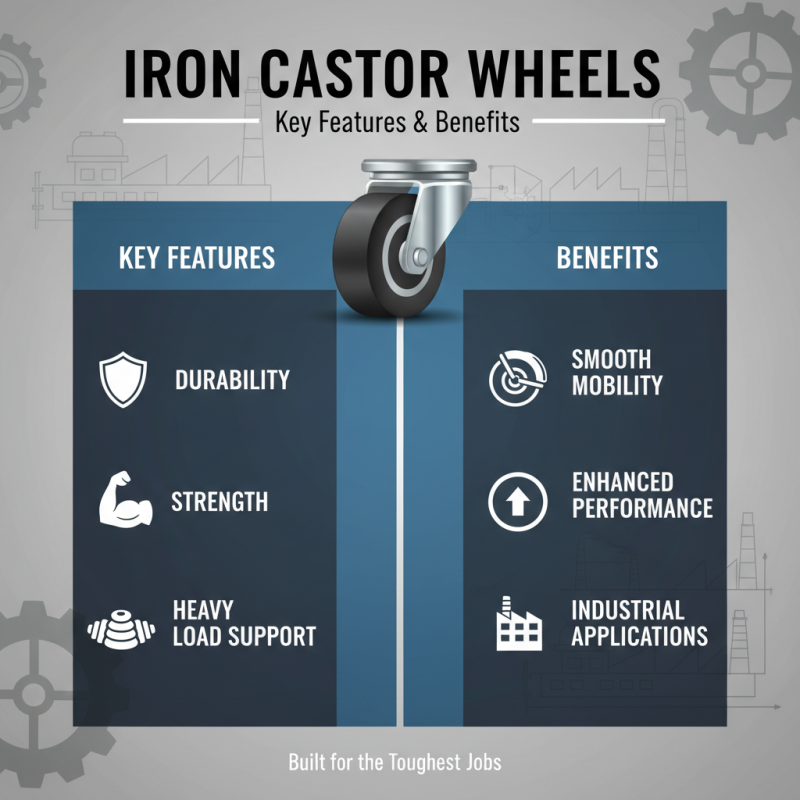
Iron castor wheels are essential in many industrial applications. Their durability and strength make them a popular choice. These wheels can support heavy loads while providing smooth mobility. People often overlook their design and construction. A well-designed wheel can greatly enhance performance.
The key features of iron castor wheels include corrosion resistance and stability. Their robust material withstands harsh environments. The wheels are often used on carts, trolleys, and machinery. Some designs offer a locking mechanism, ensuring safety during stationary use. The surface of the wheels can vary, impacting traction and movement speed.
Benefits include usability on various surfaces. This versatility makes them valuable in warehouses or factories. However, it's important to choose the right type for your needs. Some may find the weight of these wheels challenging to manage. Regular maintenance is key to ensuring long-lasting performance.
Factors to Consider When Choosing Iron Castor Wheels for Different Applications
Choosing the right iron castor wheels is crucial for various applications. Several factors come into play during selection. First, weight capacity matters. Heavy-duty wheels can support substantial loads. But lighter wheels are suitable for smaller equipment.
Consider the wheel size. Smaller wheels are agile and can maneuver easily. However, they may struggle on uneven surfaces. Larger wheels offer stability and can glide over obstacles. The material of the wheel also affects performance. Rubberized options provide a smoother ride. Iron wheels are durable but can be noisy on hard floors.
Don’t overlook the environment. Indoor versus outdoor use may dictate your choice. For instance, outdoor wheels need weather resistance. Think about the terrain, too. A flat surface requires less robust wheels than rough or rocky grounds. It's easy to focus solely on aesthetics. But functionality is key. Each application has unique needs, and it’s worth reflecting on them carefully.
Top 10 Brands Showcasing Iron Castor Wheels at the 2026 Canton Fair
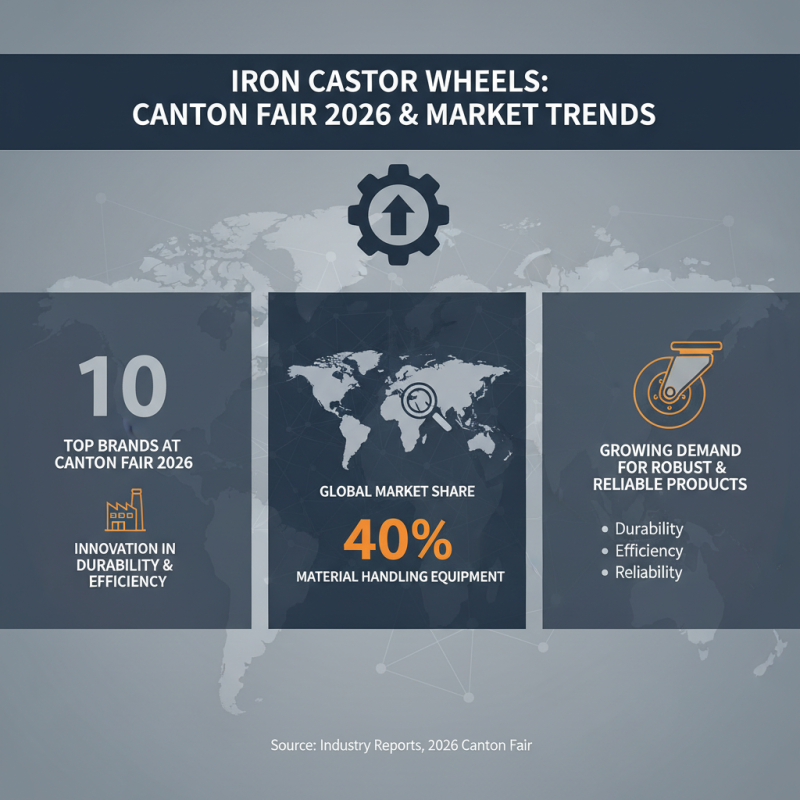
The 2026 Canton Fair promises to be a hub for innovation in iron castor wheels. This year's event is expected to showcase a variety of brands focusing on durability and efficiency. According to recent industry reports, iron castor wheels account for nearly 40% of the global market share in material handling equipment. This is a significant figure that highlights the growing demand for robust and reliable products.
Many exhibitors will present advanced designs aimed at user comfort. Features such as noise reduction and enhanced mobility are in focus. Some brands will introduce wheels resistant to heat and corrosion. These innovations reflect a shift towards more sustainable materials. However, while these advancements are impressive, questions remain about their long-term performance. Will these materials hold up under heavy use?
In previous fairs, certain products received mixed reviews from users. Some praised their strength and adaptability, while others noted issues with wheel stability. It’s clear the market still needs improvements in certain areas. As we look towards this year’s fair, it’s crucial for brands to listen to feedback. Engaging with real-world user experiences can lead to better designs. This can drive the industry forward and meet evolving customer needs more effectively.
Innovative Designs and Technologies in Iron Castor Wheels for 2026
The 2026 Canton Fair is set to showcase a range of innovative designs in iron castor wheels. These wheels are crucial for various applications. Their sturdy makeup ensures durability, but the advancements make them even more appealing. Many new features include advanced shock absorption systems. This makes them suitable for sensitive equipment.
Innovative materials are being used that enhance weight capacity without increasing thickness. This allows for a more streamlined design. Wheels with unique locking mechanisms are also on display. These locks offer added safety in workplaces. There are designs that allow for smooth movement on uneven surfaces, making them versatile.
While these innovations are impressive, some designs may not meet all user needs. Some wheels might require specific surfaces for optimal performance. Others could be too complex for simple operations. It is essential to evaluate carefully to find the best fit. Exploring these new options could inspire improvements in daily operations. The possibilities are vast, but careful consideration is always necessary.
Top 10 Iron Castor Wheels Innovations at 2026 Canton Fair
This chart illustrates the innovation index of the top 10 iron castor wheel designs showcased at the 2026 Canton Fair, indicating the level of technological advancement and unique features presented by each design.
Comparative Analysis: Iron Castor Wheels vs. Other Material Options
When evaluating iron castor wheels, a comparative analysis reveals significant advantages over other materials. Iron castors can handle heavy loads, providing excellent durability and strength. According to a market report by Research and Markets, the global castor wheel market is anticipated to grow at a compound annual growth rate (CAGR) of 4.7% from 2021 to 2026. This suggests a rising preference for robust materials like iron.
In contrast, plastic wheels, while lightweight, often lack the resilience needed for industrial applications. They are more prone to wear and damage under heavy loads. In the same report, it is noted that users appreciate the longevity of iron wheels, which typically outlast their plastic counterparts by three to four times under similar conditions. Despite some drawbacks, such as potential rusting and the need for adequate maintenance, the performance of iron castors makes them a favored choice in warehousing and manufacturing environments.
Another material option is rubber. While rubber wheels excel in shock absorption, they cannot match the load capacity of iron wheels. In a comparative field study, it was found that iron castor wheels performed significantly better, lasting longer and requiring less frequent replacements. However, industries should analyze specific needs before choosing the right material for their applications. The trade-offs in material selection highlight the importance of informed decision-making in equipment procurement.
Top 10 Iron Castor Wheels to Discover at 2026 Canton Fair
| Wheel Size (Inches) |
Load Capacity (lbs) |
Material |
Swivel / Rigid |
Cost (USD) |
Best Use Case |
| 4 |
200 |
Iron |
Swivel |
$25 |
Furniture |
| 5 |
300 |
Iron |
Rigid |
$30 |
Industrial Equipment |
| 6 |
400 |
Iron |
Swivel |
$35 |
Heavy-Duty Carts |
| 8 |
500 |
Iron |
Rigid |
$50 |
Warehouse Trolleys |
| 10 |
600 |
Iron |
Swivel |
$60 |
Heavy Machinery |