Top Iron Castors for Reliable Industrial Use Worldwide?
In the ever-evolving industrial landscape, reliability is key. Many sectors rely heavily on quality materials, and iron castors stand out. Industry expert Dr. Michael Roberts stated, "The strength and durability of iron castors are unmatched in demanding environments." His insights highlight the importance of selecting the right castors for specific applications.
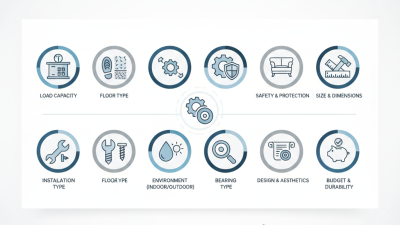
When assessing iron castors for industrial use, users must consider various factors, including load capacity and environmental conditions. The right castor can enhance operational efficiency and safety. However, it's not just about choosing the most robust option. Understanding how these components interact within your equipment is equally vital.
Even top manufacturers face challenges. Sometimes, product failures occur despite rigorous testing. It's essential to engage with experienced suppliers who can provide tailored solutions. This ensures that the selected iron castors meet the unique needs of your operations. With the right knowledge and partnerships, businesses can navigate the complexities of castor selection and maintenance.
Top Manufacturers of Iron Castors for Industrial Applications
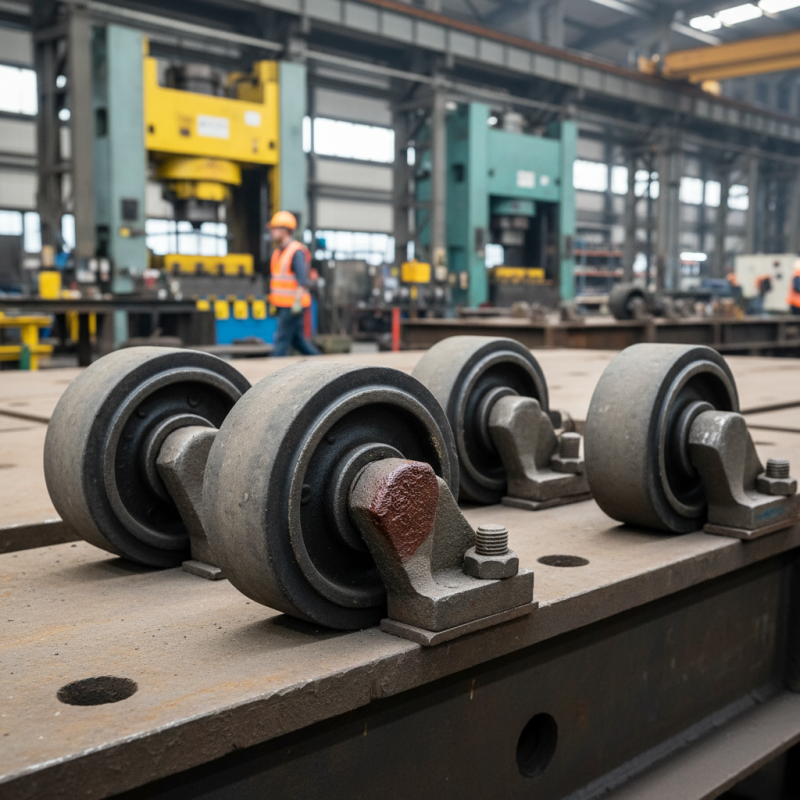
When considering industrial applications, the quality of iron castors is paramount. Many manufacturers offer products designed for heavy-duty use. These castors are engineered to withstand the rigors of various environments, ensuring reliability and performance.
Tips: Always examine load ratings before selecting castors. Each application demands specific features. Check factors like temperature, moisture, and surface type, as they impact performance. Matching castors to the environment is essential for longevity.
Choosing the right manufacturer is crucial. Many specialize in customizing solutions. However, not all options are suitable for every application. Some designs may falter under heavy loads or extreme conditions. It’s important to reflect on the specific needs of your projects.
Tips: Do thorough research on manufacturers. Look for those with proven track records and positive client feedback. Ask questions about their materials, processes, and warranties. This can lead to better investment decisions in the long run.
Top Iron Castors for Reliable Industrial Use Worldwide
Key Features of Reliable Iron Castors in the Industry
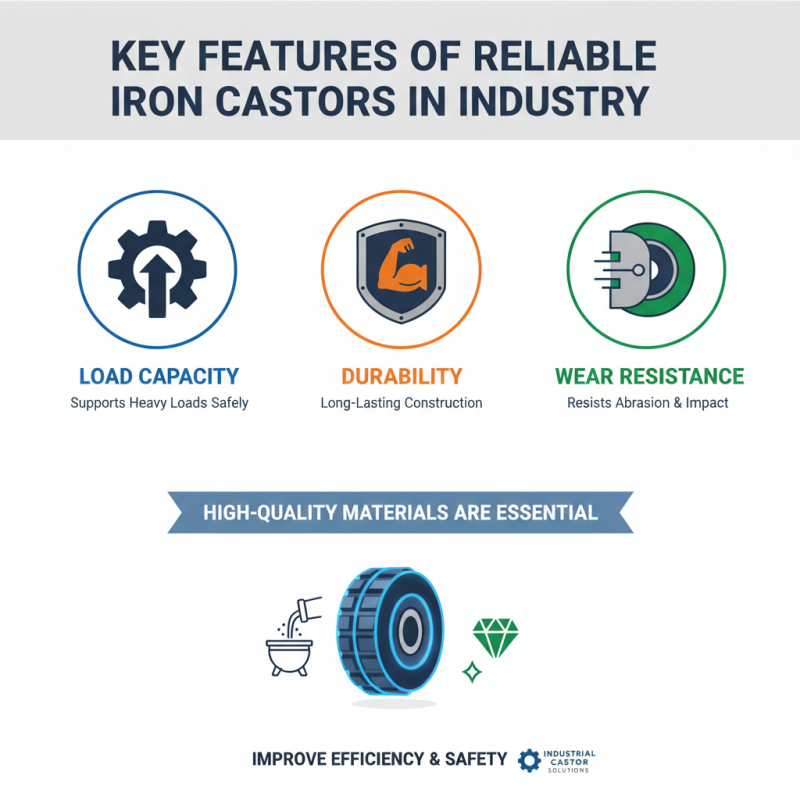
When selecting iron castors for industrial use, reliability is paramount. The performance of castors directly impacts efficiency and safety in various environments. Key features often include load capacity, durability, and resistance to wear. High-quality materials are essential for long-lasting functionality.
Another important aspect is the wheel design, which can affect maneuverability. Larger wheels can traverse uneven surfaces more easily. However, a balance between size and load capacity is crucial. Some may overlook the significance of swivel options, which enhance mobility in tight spaces. Inspecting the swivel mechanism is vital, as poor designs can lead to frustrating experiences.
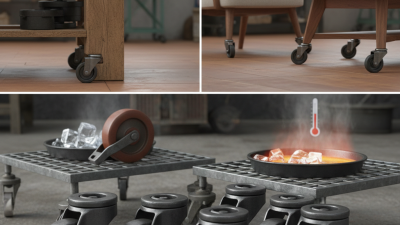
Environmental factors can also play a role in the choice of iron castors. Exposure to moisture or corrosive substances may weaken materials over time. Regular maintenance checks are necessary to ensure optimal performance. These might include inspecting for wear and lubricating moving parts. Despite thorough evaluations, failure to anticipate wear can lead to unsatisfactory results. Thus, staying attuned to all these factors is essential for effective industrial operations.
Applications and Uses of Iron Castors in Various Sectors
Iron castors serve a wide range of applications across various sectors. In manufacturing, they facilitate the movement of heavy machinery. This ensures efficient workflows and enhances productivity. In the healthcare sector, castors enable the mobility of equipment such as hospital beds and carts. This promotes better patient care and accessibility. Logistics also relies on iron castors for transporting goods safely within warehouses.
Tips for selecting iron castors include assessing load capacity. Know the weight limits before application. Consider the surface they will roll over. Rugged terrains require specific designs for durability. Maintenance is crucial. Regular checks keep the castors performing well.
In construction, iron castors help move scaffolding and tools. However, not all castors perform well under heavy loads. This can lead to potential safety hazards. It is essential to do thorough research on specifications. Adapting to your working environment is vital for effectiveness. Always reflect on performance to ensure safety and reliability.
Top Iron Castors for Reliable Industrial Use Worldwide
| Application Sector |
Load Capacity (kg) |
Wheel Size (mm) |
Material |
Special Features |
| Manufacturing |
500 - 1000 |
125 |
Cast Iron |
Heat Resistant |
| Warehousing |
300 - 700 |
100 |
Ductile Iron |
Corrosion Resistant |
| Automotive |
400 - 800 |
150 |
Grey Iron |
Shock Absorbing |
| Construction |
600 - 1200 |
200 |
Cast Iron |
Heavy Duty |
| Healthcare |
250 - 500 |
75 |
Stainless Steel with Iron |
Easy Clean |
Quality Standards and Certifications for Industrial Iron Castors
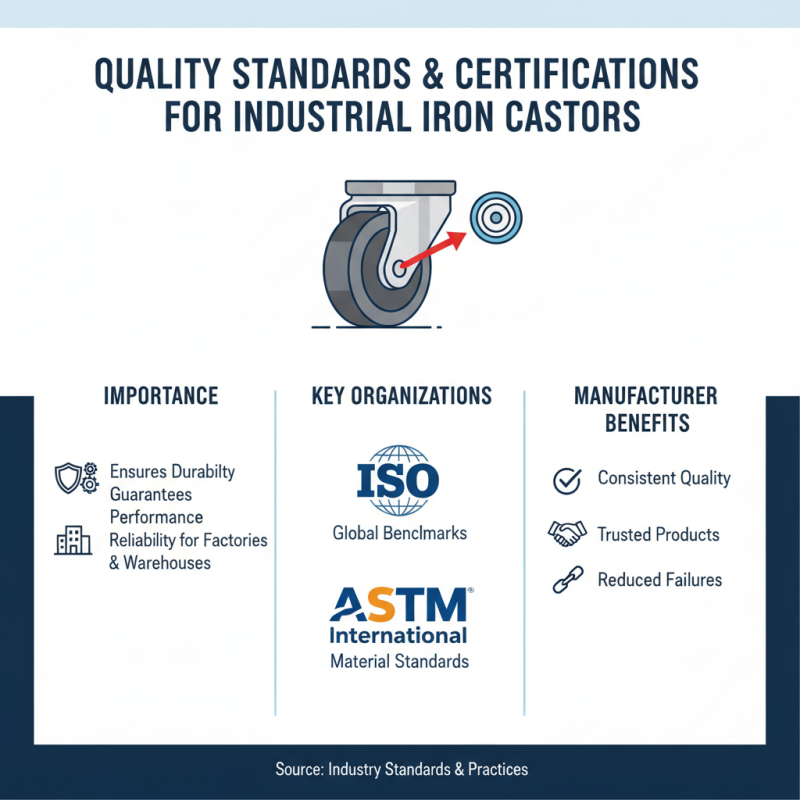
When selecting iron castors for industrial applications, quality standards and certifications play a vital role. Several organizations, such as ISO and ASTM, set benchmarks that ensure castors meet specific durability and performance criteria. These standards help manufacturers maintain consistent quality and provide reliable products for various environments, from factories to warehouses.
Different industries require castors to perform under unique conditions. High-load capacities and resistance to wear and corrosion are often crucial. Meeting these requirements is not always straightforward. Manufacturers sometimes face challenges in sourcing the right materials or adhering to local regulations. Therefore, the certifications they carry can give users assurance about their reliability and performance.
Not all castors will have the same quality assurance. Companies sometimes cut corners to reduce costs, leading to inconsistent product quality. It’s essential to research the manufacturing processes and verify certifications before making a decision. Ensuring that castors adhere to industry standards is crucial for safety and efficiency. Quality control is a continual process, and all manufacturers must strive for improvement to stay relevant.
Trends and Innovations in Iron Castor Manufacturing Worldwide
The global iron castor manufacturing industry is experiencing notable trends and innovations. Recent reports show a growth rate of about 5% annually. This growth is driven by advancements in technology and materials. Manufacturers are now focusing on developing lighter and stronger castors. Enhanced materials lead to better durability and performance.
Sustainability is also a significant trend. Companies are investing in eco-friendly practices. Reports indicate a rise in recycling efforts within the industry. Approximately 40% of new castors are produced using recycled materials. These innovations aim to reduce environmental footprints. However, the challenge remains in balancing cost and sustainability. Many manufacturers still face financial constraints while trying to innovate.
Moreover, automation plays a critical role in modern iron castor production. Automation increases precision and efficiency. This transition sometimes comes with setbacks. Workers need to adapt to new technologies, and some skills may become obsolete. Nonetheless, the push for innovation continues to reshape the landscape of iron castor manufacturing. It's an exciting time, yet there's much to learn and improve.