Top 10 Stainless Casters for Your Industrial Needs?
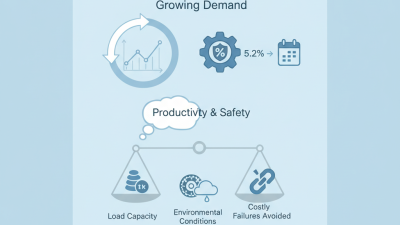
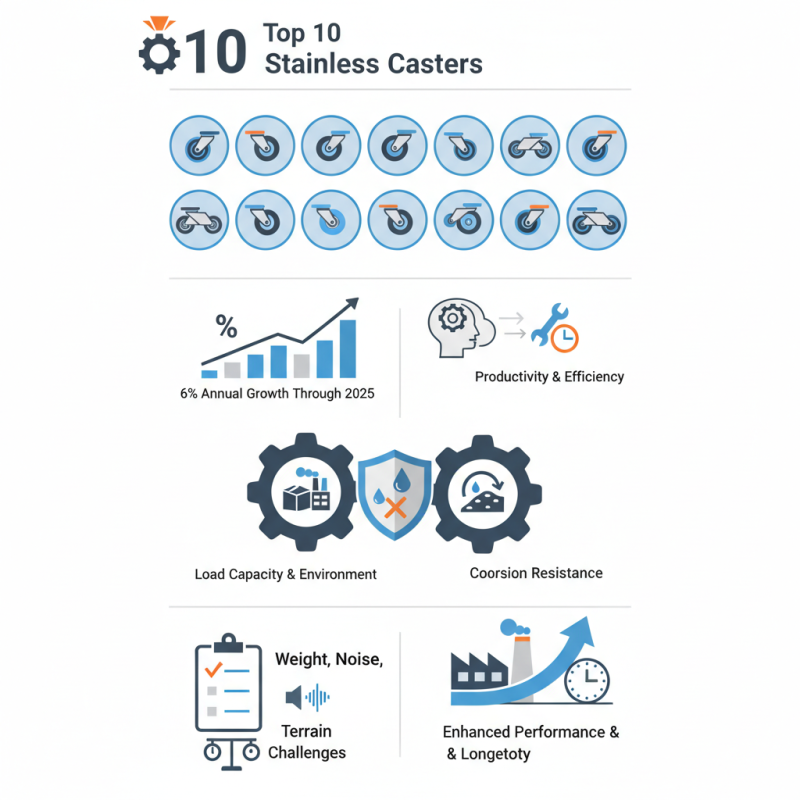
In the industrial world, the demand for robust and reliable equipment is ever-growing. Stainless casters play a vital role in ensuring smooth operations across various sectors. According to a report by the Industrial Caster Association, the stainless caster market is expected to grow by 6% annually through 2025. This presentation of top stainless casters highlights the importance of selecting the right equipment for specific needs.
John Parker, a renowned expert in the caster industry, emphasizes, "Choosing the right caster can significantly impact productivity and efficiency." With numerous options available, industries must consider factors such as load capacity, environment, and mobility. Steel casters are often favored for their durability, while stainless options provide added resistance to corrosion. Yet, selecting the perfect caster is not always straightforward. Different scenarios call for different solutions, making it essential to weigh the pros and cons of each type.
Despite advancements, challenges remain. Manufacturers must address issues like weight restrictions, noise levels, and terrain compatibility. A deep understanding of operations can guide companies in making informed choices. Ultimately, investing time and effort into selecting the right stainless casters can lead to enhanced performance and longevity in the long run.
Overview of Stainless Steel Casters and Their Applications
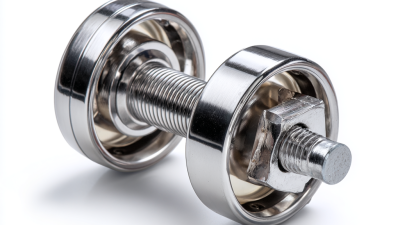
Stainless steel casters are essential in various industrial applications. Their resistance to corrosion makes them suitable for environments exposed to moisture, chemicals, or extreme temperatures. These casters are commonly used in food processing, pharmaceuticals, and breweries. The durability of stainless steel ensures that these casters can withstand heavy loads over time.
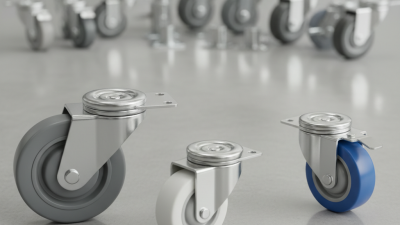
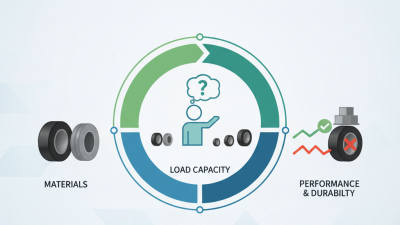
When selecting casters, consider the load capacity and wheel design. A softer wheel may work better on uneven surfaces, while harder wheels offer better durability on smooth floors. Some users overlook the significance of wheel size; larger wheels roll more easily over obstacles. This can be crucial in reducing fatigue among workers.
It’s also essential to reflect on maintenance. Even stainless steel casters can degrade without proper care. Regular cleaning can prevent buildup that impedes functionality. Investing in high-quality casters can save money and time in the long run. However, it’s important to assess specific needs carefully. Not every caster type is suitable for every application, and sometimes user feedback may point out challenges that manufacturers overlook.
Factors to Consider When Choosing Stainless Steel Casters
When selecting stainless steel casters for industrial applications, several factors come into play.
Load capacity plays a crucial role; it must match the weight of the items being moved.
Too often, users underestimate this requirement. A caster rated for 200 pounds may fail under a heavier load.
Durability is equally important.
Consider your working environment—casters exposed to moisture or chemicals need robust materials to resist corrosion.
Wheel diameter affects maneuverability. Larger wheels roll more easily over obstacles but may take up more space.
It’s essential to balance size with your specific needs.
Swivel versus rigid casters is another point of concern.
Swivels are ideal for tight corners, but they can lead to erratic movement on uneven surfaces.
Finally, don’t overlook the installation process.
Incorrect fitting can compromise performance. Research and measure thoroughly before making a choice;
this helps in avoiding waste and ensuring functionality.
Top 10 Stainless Steel Casters for Industrial Use
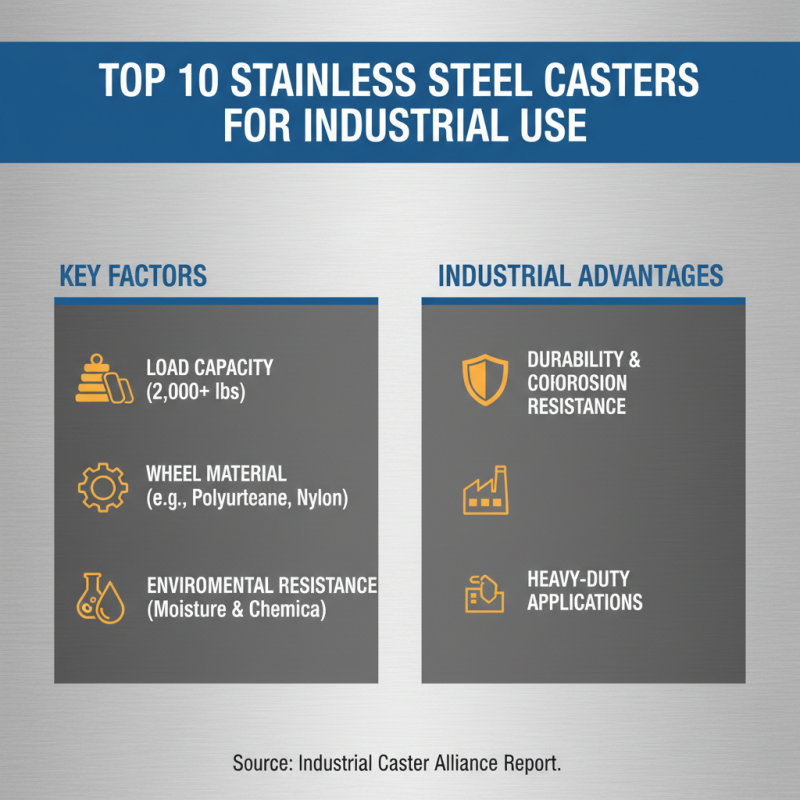
When selecting stainless steel casters for industrial applications, key factors include load capacity, wheel material, and environmental resistance. Stainless steel casters are particularly valued for their durability and corrosion resistance. This makes them ideal for environments where moisture or chemicals are prevalent. A report from the Industrial Caster Alliance highlighted that robust stainless steel casters can support load capacities exceeding 2,000 pounds, making them suitable for heavy-duty operations.
In addition to load capacity, wheel size and tread design significantly influence performance. Larger wheels roll easier over uneven surfaces. A study by the American National Standards Institute indicates that improper wheel selection can reduce efficiency by up to 30%. Choosing the right tread material also impacts noise levels and floor protection. Employees often report difficulties when casters are poorly matched to floor types in industrial settings.
Design considerations are crucial. Stainless steel casters must balance strength and weight. Oversized components can lead to maneuverability issues. It's clear that selecting the right stainless steel caster requires careful consideration of various factors. Ensure to evaluate specific operational needs critically to avoid common pitfalls in caster selection.
Comparison of Features and Benefits of Selected Casters
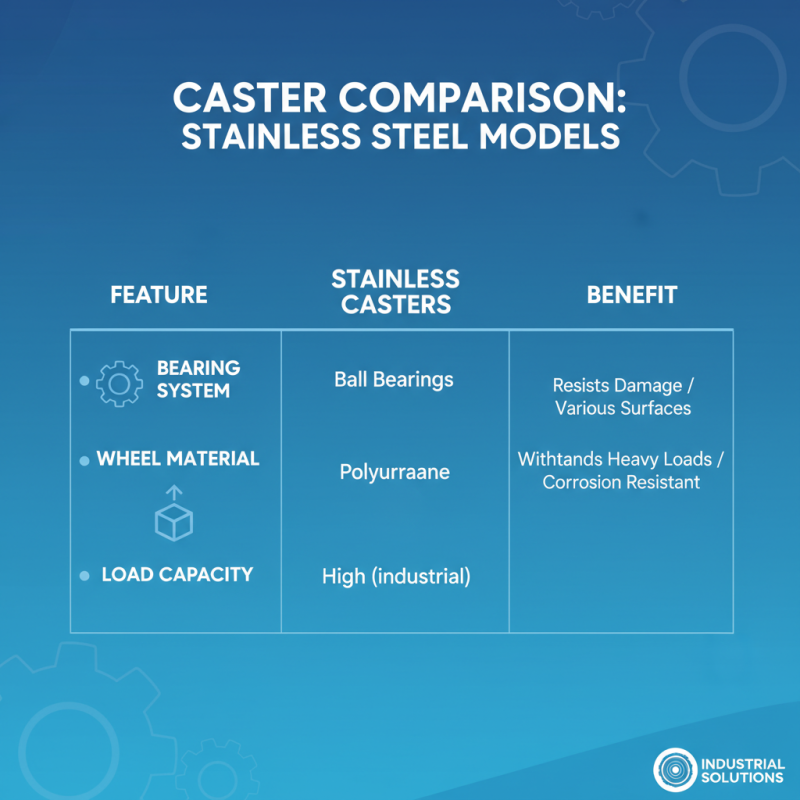
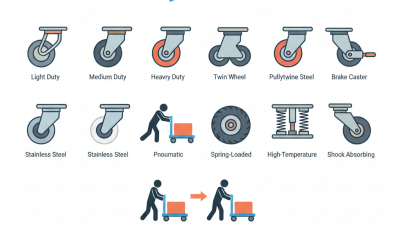
Stainless casters are essential in industrial settings. They must withstand heavy loads and resist corrosion. When comparing different models, consider their bearing systems, wheel materials, and load capacity. For instance, ball bearings improve maneuverability. Meanwhile, polyurethane wheels can handle various surfaces without damage.
Another critical feature is swivel versus fixed casters. Swivel options offer better mobility in tight spaces. However, fixed casters provide stability when moving in a straight line. Some casters combine both for enhanced functionality. Look for options with locking mechanisms for safety.
While performance metrics are vital, aesthetics matter too. Not all stainless casters are equally appealing. A polished finish may suit your facility's look better. However, some options might show scratches more easily. Consider how often you’ll need to clean and maintain them. A well-balanced choice considers both form and function while matching your specific industrial requirements.
Maintenance Tips for Longevity of Stainless Steel Casters
Stainless steel casters are essential for many industrial applications. Their durability and resistance to corrosion make them a preferred choice. However, maintaining these casters is crucial for ensuring longevity and performance. Regular inspection is vital. In a recent study from the Industrial Caster Association, it was noted that almost 30% of caster failures stem from lack of maintenance.
Lubrication plays a key role in performance. Proper lubrication helps reduce friction and wear. It is recommended to use food-grade lubricants for applications in sensitive environments. Cleaning should not be overlooked either. Daily cleaning can prevent build-up of debris, which can impede functionality. According to industry standards, environments with high particulate exposure require cleaning at least twice a week.
Environmental factors can also affect the lifespan of casters. High humidity and harsh chemicals can accelerate wear. A report from Material Handling Industry indicates that up to 15% of casters in use today experience premature corrosion due to environmental neglect. Operators must regularly assess the conditions where casters operate and take necessary precautions. Adopting a proactive approach towards maintenance can lead to significant improvements in the function and durability of stainless steel casters.
Top 10 Stainless Casters for Your Industrial Needs
| Model |
Load Capacity (lbs) |
Wheel Diameter (inches) |
Material |
Maintenance Tips |
| Model A |
600 |
4 |
Stainless Steel |
Regular cleaning and lubrication |
| Model B |
800 |
5 |
Stainless Steel |
Inspect for rust and debris |
| Model C |
1000 |
6 |
Stainless Steel |
Lubricate wheels regularly |
| Model D |
700 |
5 |
Stainless Steel |
Avoid heavy impacts |
| Model E |
900 |
4 |
Stainless Steel |
Clean with warm, soapy water |
| Model F |
750 |
6 |
Stainless Steel |
Check wheel alignment regularly |
| Model G |
850 |
5 |
Stainless Steel |
Inspect for wear and tear |
| Model H |
950 |
6 |
Stainless Steel |
Keep casters dry and clean |
| Model I |
1100 |
7 |
Stainless Steel |
Perform regular inspections |
| Model J |
1200 |
8 |
Stainless Steel |
Store in a dry environment |