Why Choose Heavy Caster Wheels for Your Business Needs?
In today's fast-paced industrial landscape, the choice of equipment can significantly influence operational efficiency. Heavy Caster Wheels have emerged as a reliable solution for businesses aiming to optimize their mobility needs. According to a recent report by the Global Caster Wheel Market Analysis, the demand for heavy-duty casters is projected to grow by 6% annually through 2025. This growth reflects the increasing reliance on durable materials and ergonomic designs in heavy lifting scenarios.
John Mitchell, an industry expert with over 20 years of experience in supply chain logistics, emphasizes the value of Heavy Caster Wheels. He states, "Choosing the right caster can mean the difference between seamless operations and costly downtimes." This statement reinforces the need for careful selection, as the wrong wheels can lead to vehicle malfunction and increased maintenance costs.
Many still overlook the implications of using subpar wheels. Heavy Caster Wheels offer not just robustness but also enhanced maneuverability. Businesses must recognize that investing in high-quality casters mitigates risks. Thus, opting for reputable brands ensures safety and reliability, fostering a more productive work environment.
Advantages of Heavy Caster Wheels for Industrial Applications
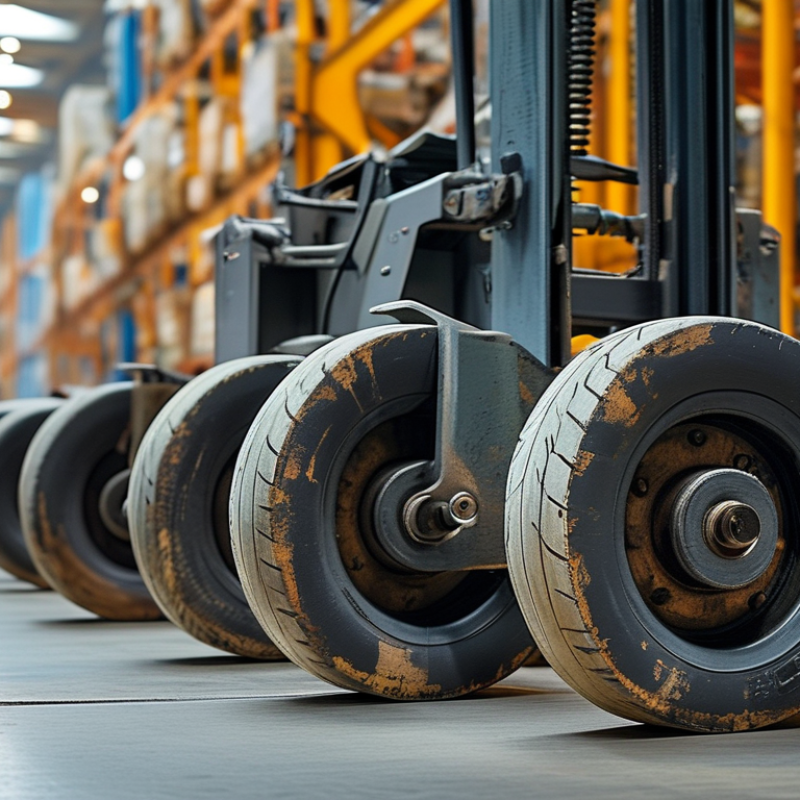
Heavy caster wheels are essential for industrial applications. They offer significant benefits compared to standard wheels. Load capacity is one of the primary advantages. These wheels support heavier weights, which is crucial for machinery and equipment. Facilities often have large items that require reliable mobility.
In addition to load capacity, durability is vital. Heavy caster wheels resist wear from constant use. They endure challenging environments, such as warehouses and factories. Materials used in their design play a crucial role. Quality rubber or polyurethane ensures smooth movement on various surfaces. This quality minimizes the chances of wheel failure.
However, not all heavy caster wheels suit every application. Choosing the right size and type is vital. It requires careful consideration of the floor surface and load. Businesses must assess their specific needs. Failure to do so may lead to operational inefficiencies. Balancing load capacity with mobility is crucial for optimal performance.
Factors to Consider When Selecting Heavy Caster Wheels
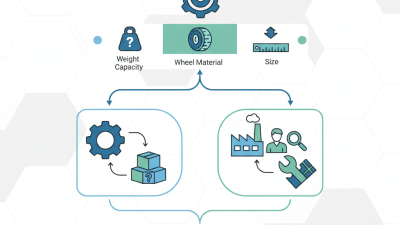
When selecting heavy caster wheels, several critical factors come into play. Firstly, load capacity is paramount. A study by the Industrial Research Institute found that improperly rated casters could lead to equipment failure. Make sure to choose wheels that can handle the expected weight. For instance, if a cart's total load is 800 pounds, select casters with a minimum capacity of 200 pounds each for safety.
Secondly, material is essential. Heavy-duty casters come in various materials such as rubber, polyurethane, and metal. Rubber wheels tend to absorb shock better. This is beneficial when moving over uneven surfaces. However, metal wheels may be advantageous in heavy machinery environments where durability is crucial. It's not always easy to choose the correct material. A wrong choice can lead to premature wear and tear.
Another factor is swivel versus rigid options. Swivel wheels offer mobility in tight spaces, while rigid wheels provide stability with straight-line movement. A 2021 report from the National Association of Manufacturers indicated that businesses often overlook the balance between these two types. Therefore, understanding your specific operational needs can be tricky but is necessary for optimizing efficiency and safety in your workspace.
Why Choose Heavy Caster Wheels for Your Business Needs?
Maintenance and Durability of Heavy Caster Wheels
Heavy caster wheels are essential for many businesses. They are designed to support heavy loads, ensuring that operations run smoothly. When selecting heavy caster wheels, maintenance and durability must take center stage.
Proper maintenance is vital to keep heavy caster wheels operational. Regularly inspecting the wheels for debris can prevent damage. Lubrication should be performed periodically to reduce friction. Even small amounts of dirt can lead to bigger issues over time. Neglecting maintenance can result in premature wear, impacting overall efficiency.
Durability is a key factor for heavy caster wheels. They must withstand daily use in demanding environments. High-quality materials and design contribute to their lifespan. However, not all wheels maintain their integrity under constant stress. Some may require replacement sooner than expected due to heavy wear. Making informed choices based on real experience will yield better results over time. Keeping records of wheel performance can be insightful for future purchases. Ensuring the right fit for load requirements is crucial.
Cost-Effectiveness of Heavy Caster Wheels for Businesses
Heavy caster wheels are a practical choice for businesses that require moving heavy loads. The cost-effectiveness of these wheels is often overlooked. Though they may have a higher upfront cost, their durability and performance can lead to significant savings over time. Businesses can reduce maintenance costs and downtime when choosing heavy-duty options.
Investing in heavy caster wheels means fewer replacements. A longer lifespan translates into lower expenses. These wheels also improve efficiency. They can handle more weight and can be maneuvered with ease. Employees can move items smoothly without straining themselves. This leads to a safer work environment.
However, some businesses might feel hesitant about the initial investment. The perception of higher costs may cause reluctance. Yet, this can be a limited perspective. Focusing on the long-term benefits is essential. The initial expense can be justified when weighed against future savings. Reflecting on these choices may help businesses make informed decisions that benefit their operations.
Comparative Analysis: Heavy Caster Wheels vs. Standard Wheels
When evaluating heavy caster wheels against standard wheels, the differences emerge clearly.
Heavy caster wheels are designed for maximum load-bearing capacity.
They provide better durability and resilience in demanding environments.
Businesses handling heavy equipment, for instance, can benefit from these wheels.
They minimize the risk of breakage and reduce maintenance costs over time.
Standard wheels might suffice for lighter loads, but they often struggle under pressure.
This can lead to frequent replacements and operational disruptions.
Heavy casters, on the other hand, offer smooth movement on various surfaces.
Their robust construction ensures that equipment can transition effortlessly from one area to another.
However, they may not be necessary for every application and could contribute to higher upfront costs.
It's essential to assess your specific needs carefully.
While heavy caster wheels provide significant advantages for certain scenarios,
they might not be the best choice for all businesses.
The balance between cost and functionality is crucial.
Investing in heavy casters may require more thought but can pay off in long-term reliability and efficiency.