head_newbanner

2026 Best Caster Connection Wheels Types for Global Buyers

Choosing the right Caster Connection Wheels can influence safety, mobility, noise, and long-term operating costs. Global buyers face many options, including twin-wheel, single-wheel, swivel, rigid, locking, and shock-absorbing designs. Each type responds differently to floor conditions, load demands, temperature changes, and cleaning routines.

This 2026 guide examines practical wheel types for hospitals, warehouses, furniture, equipment carts, and industrial platforms. It considers wheel materials such as polyurethane, rubber, nylon, and steel. It also reviews tread performance, bearing construction, mounting compatibility, and braking reliability. These details matter when a cart crosses uneven concrete or moves quietly across polished flooring.

Real purchasing decisions need more than attractive specifications. A wheel rated for 500 kilograms may perform differently under constant movement, impact, or poor load distribution. That distinction is easy to miss. Buyers should verify test methods, product tolerances, certificates, and supplier experience before placing large orders. Regional standards and installation requirements also deserve careful review.

Field experience shows that the cheapest option is rarely the safest long-term choice. However, premium pricing does not guarantee better performance. This guide compares evidence, not marketing language. It highlights useful strengths, common limitations, and areas where product data may remain incomplete. Some recommendations may need adjustment after site testing. That is normal.

The goal is practical selection. Readers can match caster design with real working conditions, reduce avoidable replacement costs, and build more dependable global sourcing plans. Load first. Environment always matters.
2026 Best Caster Connection Wheels Types for Global Buyers

Caster Connection Wheel Basics and Their Main Applications

2026 Best Caster Connection Wheels Types for Global Buyers

Caster Connection Wheel Basics and Their Main Applications

Caster connection wheels support carts, racks, equipment, and mobile workstations. Their design affects load capacity, floor protection, noise, and maneuverability. A wheel usually includes a tread, hub, bearing, and mounting connection. Each part influences daily performance.

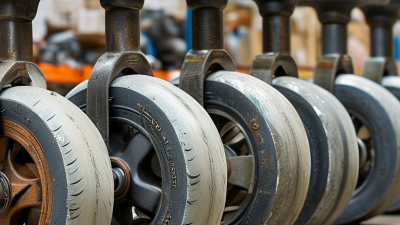
Rubber wheels absorb small shocks and reduce noise on concrete or tiled floors. They suit hospitals, warehouses, workshops, and service carts. Polyurethane wheels resist abrasion and many common chemicals. They work well on smooth factory floors and under heavier loads. Nylon wheels roll easily, resist moisture, and suit clean, dry areas. Steel wheels handle extreme loads but may damage delicate flooring.

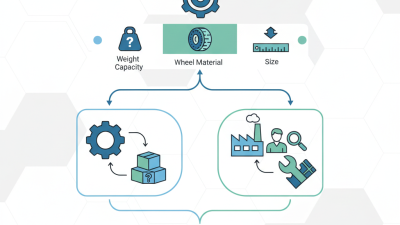
Choose the wheel after checking load, floor condition, temperature, and turning frequency. Divide the total equipment weight by the number of load-bearing wheels, then add a safety margin. A four-wheel cart may not load all four wheels evenly. Uneven floors expose this problem quickly.

Pay attention to wheel diameter. Larger wheels cross door thresholds and floor joints more smoothly. Swivel wheels improve turning, while fixed wheels help straight travel. Braked versions can secure carts during loading. Small details matter.

In practical use, I often see buyers focus only on price. That choice can create vibration, noise, or premature tread wear. No wheel fits every site. Even a careful selection may need adjustment after real workplace testing.

Key Types of Caster Connection Wheels for Different Loads

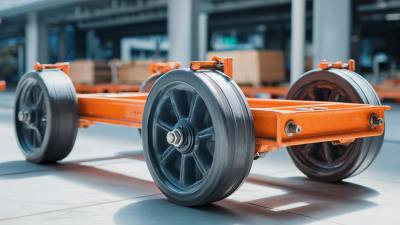
Caster connection wheels must match the load, floor, speed, and working environment. A light-duty swivel caster suits office carts and display racks. It usually carries 40–100 kilograms per wheel. Medium-duty wheels, often rated from 100–300 kilograms, fit warehouse trolleys and mobile worktables. Heavy-duty models exceed 300 kilograms per wheel and need reinforced forks, axles, and mounting plates.

Load calculations should include the cart, goods, and uneven floors. A common engineering method divides total weight by three, not four, because one wheel may briefly lose contact. For example, a 900-kilogram cart needs at least 300 kilograms of capacity per caster. That rule is useful, but not perfect. Poor floors, impacts, and sudden braking can raise real forces sharply. ISO 22883 recommends testing caster performance under controlled load, travel, and obstacle conditions. Buyers should request test conditions, not only advertised capacity.

Wheel material also changes performance. Polyurethane supports quieter movement and protects sealed concrete. Nylon handles moisture and many chemicals, but may mark or transmit vibration. Steel offers high capacity, though it can damage floors and create more noise. The U.S. Bureau of Labor Statistics reported about 2.6 million nonfatal workplace injuries in private industry during 2023. Safer wheel selection can reduce pushing effort, but it cannot replace maintenance or operator training. Check fasteners, tread wear, swivel movement, and brake function regularly. Small defects matter. A slightly loose connection can become a serious handling problem.

Materials, Designs, and Performance Features Explained

2026 Best Caster Connection Wheels Types for Global Buyers

Materials, Designs, and Performance Features Explained

Choosing caster connection wheels requires more than checking diameter and price. The connection method affects stability, installation time, and maintenance access. Top plate mounts suit heavy equipment and distribute force across a wider surface. Threaded stems fit prepared sockets and support cleaner, faster installation. Expanding stems work well with tubular legs, but they need accurate measurements.

Wheel materials shape performance on different floors. Polyurethane wheels roll quietly and resist oils, making them useful in workshops and logistics areas. Rubber wheels absorb vibration and protect delicate flooring. Nylon wheels offer low rolling resistance and strong moisture resistance. Steel wheels carry extreme loads, yet they can mark floors and create noticeable noise. Material choices involve trade-offs.

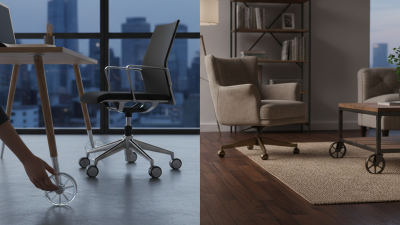
Design details also matter. Swiveling casters improve maneuverability, while rigid casters help equipment track straight. Brakes may lock the wheel, the swivel, or both. Choose according to movement patterns, not habit. Consider total load, shock impact, floor joints, temperature, and cleaning chemicals. A common mistake is rating each caster separately without including equipment weight. Real-world testing can change the decision. A wheel that feels smooth indoors may struggle on rough concrete. No selection is perfect. Recheck the assumptions before ordering globally.

2026 Best Caster Connection Wheels Types for Global Buyers - Materials, Designs, and Performance Features Explained

Wheel Type Typical Wheel Material Common Connection or Mounting Compatibility Design Characteristics Typical Load Range per Wheel Floor and Environment Suitability Performance Features Key Advantages Main Limitations Typical Global Applications
Thermoplastic Rubber (TPR) Polypropylene or nylon core with a thermoplastic rubber tread Stem, plate, threaded stem, and socket connections Resilient soft tread; single or dual-wheel layouts; often paired with a precision or plain bore 40–150 kg Finished indoor floors, tile, laminate, sealed concrete, and light-duty clean areas Low rolling noise, good floor protection, moderate shock absorption, and non-marking operation Quiet movement and good protection for sensitive floors Lower heat, chemical, and heavy-load resistance than polyurethane or metal wheels Office furniture, medical carts, display equipment, light material-handling carts
Polyurethane (PU) Polyurethane tread bonded or molded over a steel, aluminum, cast-iron, or nylon core Top plate, threaded stem, bolt-hole, and kingpinless swivel assemblies Elastic tread with a robust core; available in single, dual, and shock-absorbing configurations 100–600 kg Warehouses, factories, logistics areas, smooth concrete, and coated industrial floors Good abrasion resistance, low noise, floor protection, and lower starting force than hard wheels Balanced performance for load capacity, mobility, and floor care Can be affected by severe heat, certain solvents, sharp debris, and prolonged outdoor exposure Industrial carts, warehouse trolleys, platform trucks, airport and distribution equipment
Solid Rubber Solid rubber tread with a steel, aluminum, or polymer core Plate, stem, and bolt-hole caster connections Cushioned tread without pneumatic inflation; commonly designed with a sealed or shielded bearing 75–300 kg Indoor floors and moderate outdoor surfaces where some shock absorption is needed Smooth travel, moderate vibration reduction, puncture resistance, and relatively low noise Does not require air maintenance and handles minor floor irregularities May leave marks, develop flat spots under long static loads, and generate more rolling resistance than hard wheels Service carts, refuse equipment, workshop trolleys, garden and light outdoor carts
Nylon Molded nylon, often reinforced with glass fiber for higher stiffness Heavy-duty top plate, threaded stem, and rigid or swivel caster frames Hard, lightweight wheel with a plain bore, roller bearing, or ball bearing 150–800 kg Smooth concrete, wet areas, food-processing zones, and corrosion-sensitive environments Low water absorption compared with some plastics, strong chemical resistance, and low maintenance High load capability with good resistance to water and many cleaning chemicals Hard rolling surface can be noisy and may damage delicate floors or transmit vibration Food-service equipment, industrial racks, wash-down areas, production and processing facilities
Polypropylene (PP) Injection-molded polypropylene, sometimes combined with a softer tread material Light-duty plate, stem, threaded stem, and furniture caster connections Lightweight single wheel; plain bore or basic bearing; compact swivel designs are common 30–180 kg Dry indoor floors, retail fixtures, cabinets, and light institutional equipment Good moisture resistance, low cost, low weight, and moderate chemical resistance Economical option for light loads and basic mobility requirements Less impact absorption and lower load capacity than polyurethane, nylon, or steel-core wheels Retail shelving, cabinets, light carts, storage bins, and office equipment
Phenolic Resin Resin-impregnated fiber or laminated phenolic compound Heavy-duty plate, rigid caster, swivel caster, and bolt-hole connections Hard wheel with heat-resistant construction; usually fitted with a plain bore or roller bearing 250–900 kg Hot, dry industrial environments and smooth floors; not ideal for rough surfaces High temperature capability, good dimensional stability, and resistance to many oils and chemicals Performs where soft-tread wheels may soften or degrade under heat Noisy on hard floors, limited shock absorption, and vulnerable to severe impact or uneven surfaces Bakeries, ovens, industrial process equipment, foundry support carts, and hot production areas
Cast Iron Cast iron, sometimes machined with a protective finish or integrated tread Extra-heavy-duty top plate, rigid frame, swivel frame, and kingpinless caster connections Rigid, hard-wearing wheel with high structural stiffness; commonly uses roller bearings 500–2,500 kg Smooth, hard industrial floors; suitable for high-load indoor applications Very high load capacity, low rolling deformation, and good resistance to heat and abrasion Strong and stable under heavy static and rolling loads Can damage floors, creates vibration and noise, and may corrode in wet or chemically aggressive conditions Heavy machinery, steel-service carts, industrial platforms, and manufacturing equipment
Forged Steel Forged or machined steel, often heat-treated for demanding loads Heavy-duty plate, rigid, swivel, kingpinless, and shock-absorbing caster frames High-strength wheel with a narrow or wide profile; roller bearings are common for heavy loads 800–4,000 kg Heavy industrial floors, shipyards, steel plants, and demanding material-handling areas Exceptional load strength, impact resistance, and durability under demanding duty cycles Best suited to extreme loads and severe mechanical stress High noise, potential floor damage, greater wheel weight, and corrosion risk without protection Heavy machinery, mobile tooling, shipbuilding equipment, and large industrial fixtures
Pneumatic Rubber tire with an inner tube or tubeless construction and a steel or polymer rim Plate or bolt-on axle connection, usually with a fixed or swivel support frame Large air-filled tire with deep or general-purpose tread; designed for uneven ground 100–500 kg Outdoor paths, gravel, grass, construction areas, and uneven terrain Excellent shock absorption, smooth travel over obstacles, and reduced vibration transfer Provides the best cushioning for rough ground among common caster wheel designs Requires air-pressure checks and is vulnerable to punctures, cuts, and overload damage Gardening equipment, construction carts, outdoor platforms, and utility trailers
Semi-Pneumatic Rubber outer tire with a cellular or partially hollow structure; no air-pressure service Plate, axle, and bolt-on frame connections Cushioned tire with a solid or cellular interior and a moderate tread pattern 80–350 kg Outdoor and semi-rough surfaces where puncture resistance is important Better vibration control than hard wheels and no inflation maintenance Combines basic cushioning with greater puncture resistance than pneumatic wheels Less cushioning and lower load capacity than a correctly inflated pneumatic tire Outdoor carts, grounds-maintenance equipment, hand trucks, and utility equipment
High-Temperature Metal or Phenolic Heat-resistant steel, stainless steel, or phenolic resin with high-temperature bearings where required High-temperature plate, rigid, swivel, and bolt-hole caster connections Heat-stable wheel, often with shields or high-temperature grease selected for the service range 200–1,200 kg Hot production areas, ovens, kilns, sterilization zones, and dry industrial environments Maintains dimensional stability and load support at elevated temperatures when correctly specified Suitable for heat exposure that can damage standard rubber or plastic wheels Limited floor cushioning, higher noise, and bearing performance depends strongly on temperature selection Industrial ovens, bakery racks, heat-treatment equipment, and sterilization carts

Selection note: Load ranges are typical planning values for individual wheels under suitable operating conditions. Actual capacity depends on wheel diameter and width, bearing design, caster frame strength, floor condition, travel speed, impact, temperature, and the number of wheels carrying the load. For safety, calculate capacity using the total equipment load plus payload and allow for uneven load distribution and dynamic impact.

How to Select the Right Caster Connection Wheel Globally

2026 Best Caster Connection Wheels Types for Global Buyers

How to Select the Right Caster Connection Wheel Globally

Selecting a caster connection wheel starts with the equipment, not the wheel itself. Check the mounting connection, load rating, swivel design, and available installation space. A wheel carrying 250 kilograms should not be selected for exactly 250 kilograms. Uneven floors, frequent turning, and impact loads require a practical safety margin.

Floor conditions matter greatly. Polyurethane wheels suit smooth concrete and reduce rolling noise. Rubber wheels protect delicate floors and absorb vibration. Nylon wheels handle moisture and some chemicals, but they may feel harsh on uneven surfaces. For high-temperature areas, confirm the wheel’s tested temperature range. Do not rely only on a general material description.

Small details often cause large failures. Measure the mounting stem or plate carefully, including thread size, height, and clearance. Choose a brake when operators need stable positioning, but confirm whether it locks the wheel, swivel, or both. Global buyers should request load tests, material data, dimensional drawings, and inspection records. Regional safety requirements may differ, so documentation must match the destination market.

A common mistake is trusting catalog ratings without checking real working conditions. A clean warehouse is different from a loading area with dust, ramps, and sharp turns. I would also question unusually low prices. They may reflect thinner forks, weaker bearings, or inconsistent connection dimensions. Even careful selection can miss operator habits, so trial installation and field feedback remain valuable.

Quality Standards, Compatibility, and Buyer Considerations

2026 Best Caster Connection Wheels Types for Global Buyers

Quality Standards, Compatibility, and Buyer Considerations

Global caster buyers need more than attractive specifications. A 2024 market outlook from Research and Markets projects approximately 5% annual growth for the caster sector through 2030. However, market estimates differ because some reports include industrial wheels, furniture casters, or complete assemblies. Buyers should check the research scope before comparing figures.

Quality begins with verified testing. ISO 22878 defines test methods for furniture casters, while ISO 22883 covers caster and wheel requirements for loads up to 1,000 kilograms and speeds up to 1.1 meters per second. These limits matter.

A wheel rated for 100 kilograms may fail when four wheels share a 400-kilogram load unevenly. Floor joints, ramps, and sudden impacts reduce practical capacity.

Compatibility also depends on connection details. Confirm plate size, bolt spacing, stem diameter, brake clearance, wheel width, and total height. A mismatched stem can wobble inside the socket. It can also damage the equipment frame.

Polyurethane suits many smooth industrial floors, while rubber often reduces noise. Harder materials may roll more easily, but they can mark delicate surfaces.

Measure twice.

The 2024 Global Industrial Mobility Equipment Report notes that buyers increasingly prioritize lifecycle cost over purchase price. That approach is sensible, though not perfect. Reports rarely capture every floor condition or operator habit. Request load-test records, material data, corrosion results, and sample units. Test them on the actual floor, including thresholds and turning points.