Heavy Caster Wheels Top Tips for Global Buyers
When shopping for Heavy Caster Wheels, global buyers face unique challenges. The market offers a range of options, yet not all are created equal. Understanding the features that distinguish high-quality heavy casters is essential.
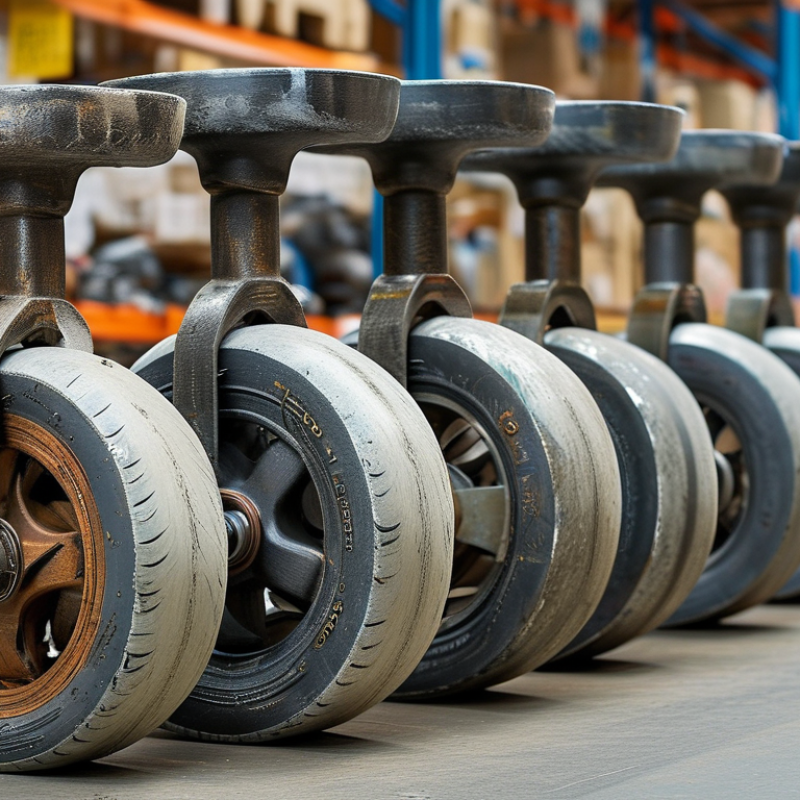
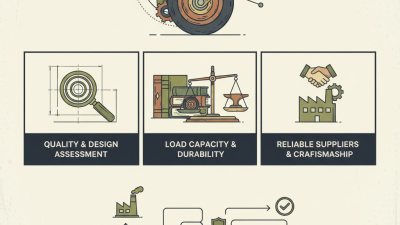
Buyers must consider weight capacity, material, and wheel design. Heavy Caster Wheels should withstand heavy loads while ensuring easy mobility. Durability is paramount, as inferior products may lead to costly replacements.
Research and feedback play crucial roles in making informed decisions. Buyers often overlook their specific needs, leading to mismatched purchases. To avoid these pitfalls, thorough investigation and expert advice are key. Embracing a thoughtful approach can lead to successful acquisitions that enhance operational efficiency.
Understanding Heavy Caster Wheel Specifications and Ratings
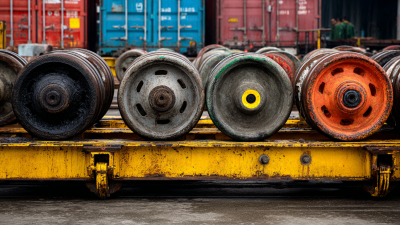
When selecting heavy caster wheels, understanding specifications and ratings is crucial for global buyers. Caster wheel strength varies widely. It is essential to know the load capacity and plate size. Data shows that industrial casters can support loads from 300 to 5,000 pounds. Selecting the correct specifications avoids unsafe conditions.
Tip: Always consider the wheel material. Polyurethane wheels are versatile and damage floors less. Steel wheels carry heavier loads but may scratch surfaces. Evaluate your setting. For example, will it be on concrete or tile?
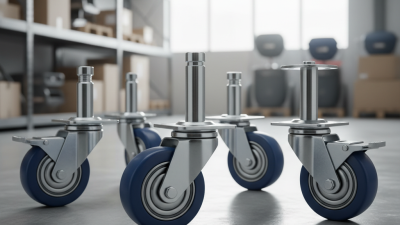
Another essential factor is stem type. Different applications require different stems for stability. Brake mechanisms also depend on your use case. Specialized reports indicate that proper brake systems can prevent accidents, especially in busy environments.
Tip: Regular inspections can prevent unexpected failures. Check wheel wear and break functionality. By staying informed, buyers can make choices that align with their operational needs, ensuring safety and efficiency.
Key Material Choices for Durable Heavy Caster Wheels
When selecting heavy caster wheels, material choice profoundly affects durability and performance. Manufacturers often use polyurethane, rubber, or nylon for these wheels. Polyurethane is popular due to its resilience. It provides a cushioned ride while resisting wear and tear. However, not all polyurethanes are created equal. Look for industrial-grade formulations for maximum longevity.
Rubber wheels offer excellent traction and shock absorption. They perform well on uneven surfaces but can wear out faster. Consider the environment where the wheels will be used. If it involves outdoor usage or exposure to chemicals, rubber may not be the best option. Nylon wheels, on the other hand, are known for their rigidity and resistance to impacts. They also won’t mark floors, which is beneficial in commercial settings.
Choosing the right material means balancing durability with specific needs. Reflect on the wheel's intended use and load capacity. Sometimes, it feels like a compromise between softness and strength. A hard wheel may roll smoother, but softer wheels may protect surfaces better. Each material has its pros and cons. Understanding these intricacies ensures a more informed decision.
Heavy Caster Wheels Top Tips for Global Buyers - Key Material Choices for Durable Heavy Caster Wheels
| Material |
Weight Capacity (lbs) |
Ideal Surface |
Temperature Resistance (°F) |
Durability Rating |
| Polyurethane |
1,200 |
Indoor/Outdoor |
-20 to 180 |
High |
| Steel |
3,000 |
Heavy Machinery |
-40 to 500 |
Very High |
| Nylon |
500 |
Indoor |
-40 to 180 |
Medium |
| Rubber |
800 |
Indoor/Outdoor |
-10 to 220 |
Medium |
| Plastic |
300 |
Light Equipment |
-20 to 150 |
Low |
Market Trends in Heavy Caster Wheel Demand and Supply Dynamics
The demand for heavy caster wheels is on the rise, driven by various industrial sectors.
In recent years, the global market has seen a compound annual growth rate (CAGR) of approximately 6.5%.
This growth can be attributed to the increasing need for material handling in warehouses and manufacturing facilities.
Industries are focusing on enhancing operational efficiency.
Heavy-duty casters provide the required durability, especially in high-load applications.
Supply dynamics are equally shifting.
Many manufacturers are facing challenges in sourcing raw materials due to supply chain disruptions.
Reports indicate that steel prices have fluctuated, impacting production costs.
Industry experts suggest that adapting to local sourcing may offer a feasible solution.
Some manufacturers are considering alternative materials to mitigate risks.
Consumer preferences are also evolving.
There’s a noticeable shift towards environmentally friendly products.
As sustainability becomes a priority, more buyers are demanding caster wheels made from recycled materials.
While this trend is encouraging, not all manufacturers are equipped to meet these changing expectations.
It's crucial to analyze supply capabilities and market readiness before making purchasing decisions.
Safety Standards for Heavy Caster Wheels in Industrial Applications
When selecting heavy caster wheels for industrial applications, safety standards play a crucial role. These wheels must endure heavy loads and intense conditions. They should meet stringent guidelines to ensure reliability and user safety. Many industries utilize these wheels, from manufacturing to logistics.
Understanding weight capacity is essential. Each wheel has a maximum load rating, which should never be exceeded. Using wheels beyond their limits can lead to accidents and costly damages. Testing parameters, such as temperature and environment, are also critical. Not all wheels perform equally under varying conditions.
Regular inspections are necessary. Checking for signs of wear and tear can prevent significant failures. Some users may overlook this aspect, which can lead to unsafe working conditions. It’s vital to invest time in routine maintenance. Educating staff about proper usage and safety practices is key. A small mistake can have serious consequences in high-stakes environments.
Cost Analysis: Investing in Quality Heavy Caster Wheels for Longevity
When considering heavy caster wheels, long-term investment is crucial. Quality affects durability and performance. Research suggests that durable wheels reduce replacement costs significantly. A study by the American National Standards Institute indicates that high-quality casters last 20-30% longer than cheaper alternatives. This longevity translates into less frequent replacements and lower maintenance costs.
However, the initial cost of premium caster wheels can be daunting. Many buyers focus solely on upfront pricing. Yet, the total cost of ownership often reveals a different story. Cheap casters can wear out in just a few months, leading to increased disruption and potential damage to equipment. A report by the Industrial Supply Association highlights that businesses can save up to 40% in operational costs by investing in better-performing equipment.
Choosing the right material is vital. Polyurethane wheels, for example, offer excellent wear resistance. Steel wheels withstand heavy loads but can create floor damage over time. Buyers must weigh these trade-offs. Investing in quality might seem risky, but the rewards include better performance, lower costs, and improved safety over time.