Top Stem Swivel Casters for Smooth Mobility in Your Projects?
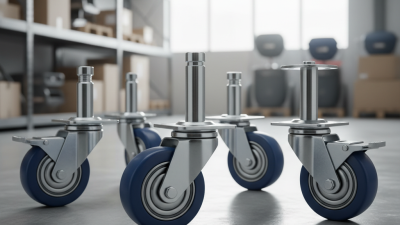
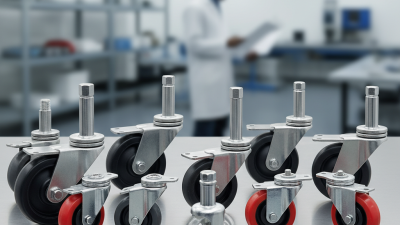
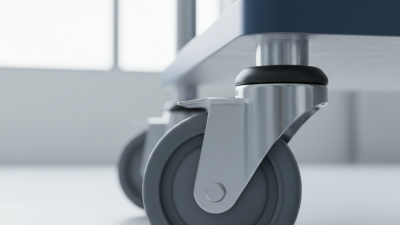
When it comes to enhancing mobility in various projects, choosing the right equipment is essential. Stem swivel casters offer versatility and ease of movement, making them a preferred choice for many users. Whether you're working on a furniture design or a heavy-duty cart, these casters provide stability and smoothness.
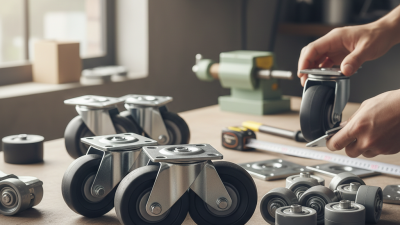
It's important to understand their construction and function. Stem swivel casters come in various sizes and materials, catering to different needs. They can support heavy loads while allowing for easy maneuverability. However, selecting the wrong size or type can lead to issues like stability problems or excessive wear.
In projects that require frequent movement, the right choice can make a significant difference. Investing in high-quality stem swivel casters ensures reliability and efficiency. Yet, it’s crucial to consider factors like floor type and load capacity. This understanding can help avoid costly mistakes. Ultimately, making informed decisions about stem swivel casters can enhance your project’s overall functionality.
Top Features to Look for in Stem Swivel Casters for Projects
When selecting stem swivel casters for your projects, focus on key features that enhance functionality. Look for durable materials. Zinc-plated steel or high-quality plastic is recommended for longevity. According to the Caster and Wheel Industry Association, high-quality casters can reduce repair costs by up to 30%. This is essential for ensuring smooth operations and reducing downtime.
Consider the load capacity. Each caster must support the weight of your equipment and the materials it carries. A mismatched capacity can lead to failure. For instance, a light-duty caster could struggle under heavy loads, causing safety hazards. Additionally, pay attention to wheel size and tread. Larger wheels roll easily over obstacles. Tread patterns influence grip on different surfaces.
Finally, assess swivel functionality. Look for casters with locking mechanisms. They provide stability when needed, reducing accidental movement. While many products exist, not all fulfill these crucial criteria. Evaluating your project’s specific needs may uncover gaps. Regular comparison and testing can provide better insights. It may take time to find the perfect match, but ensuring these features aligns with your project's demands is worthwhile.
Understanding Load Ratings: Choosing the Right Weight Capacity for Casters
Choosing the right weight capacity for swivel casters can greatly influence the ease of mobility in your projects. Load ratings are crucial. They determine how much weight a caster can handle safely. Not every project requires high-capacity casters. Sometimes, specific tasks need lighter options. Understanding your needs is essential.
When selecting casters, consider the materials involved. Different materials offer different load-bearing capacities. A plastic caster may not support heavy machinery, whereas a steel caster can carry substantial loads. Pay attention to details like wheel diameter too. Larger wheels typically roll more smoothly and can handle more weight.
Tip: Always exceed the weight limit by a small margin. This adds safety and extends the life of your casters. Inspect your project needs periodically. What worked six months ago may not suffice now. Consider your floors as well. Rough surfaces can impact wear and overall performance.
Material Options for Stem Swivel Casters: Pros and Cons Explored
When choosing stem swivel casters, material is crucial. Various options exist, and each has advantages and limitations. For instance, rubber casters are popular for their shock absorption. They provide a smooth ride and protect floors. However, they can wear down faster than other materials.
Plastic casters are lightweight and resistant to corrosion. They offer good load-bearing capabilities. Yet, they may not perform well on rough surfaces. Metal casters are incredibly durable and handle heavy loads. Their longevity is impressive, but metals can scratch floors.
Ultimately, understanding these materials will help you make informed decisions. Balancing durability with functionality is vital. Each project may require different needs from casters. Reflecting on the intended use is important for optimal performance.
Material Options for Stem Swivel Casters: Pros and Cons
Design Considerations: Wheel Size and Surface Compatibility Insights
When selecting stem swivel casters, wheel size is crucial for optimal performance. Larger wheels roll more smoothly over uneven surfaces and handle debris better than smaller wheels. A study by the Institute of Industrial Engineers highlights that a 4-inch wheel can support up to 50% more weight on rough surfaces compared to a 2-inch wheel. Therefore, assessing project surfaces is essential.
Surface compatibility also plays a significant role in caster effectiveness. Hard wheels work well on smooth floors, while softer wheels are better for carpeted areas. A report from the American Society of Mechanical Engineers indicates that using an incompatible wheel can lead to increased wear and reduced mobility.
**Tip:** Always consider the environment where casters will be used. Testing different wheel types can prevent mobility issues. Another tip is to evaluate load capacities. A mismatch can lead to failure or damage. The right combination enhances efficiency and prolongs caster lifespan. Investing time in research pays off significantly.
Top Stem Swivel Casters for Smooth Mobility in Your Projects
| Wheel Size (inches) |
Weight Capacity (lbs) |
Surface Compatibility |
Material |
Type |
| 4 |
200 |
Carpet, Tile |
Rubber |
Swivel |
| 5 |
300 |
Concrete, Wood |
Polyurethane |
Swivel |
| 6 |
400 |
Asphalt, Concrete |
Nylon |
Locking Swivel |
| 3 |
150 |
Laminate, Tile |
PVC |
Swivel |
| 5 |
250 |
Wood, Nylon |
Metal |
Heavy-Duty Swivel |
The Impact of Casters on Project Mobility and Efficiency: Industry Statistics
When considering project mobility, the choice of casters plays a vital role. According to a report by the Industrial Technology Institute, nearly 30% of workplace accidents occur due to improper equipment handling. Poor mobility can slow productivity, leading to significant inefficiencies. Casters designed for smooth swivel enhance maneuverability, helping workers transport heavy materials with ease.
Industry statistics reveal that using high-quality casters can reduce strain on employees by up to 40%. A study from the Manufacturing Efficiency Council noted that companies upgrading to advanced caster technology reported a 20% boost in overall project efficiency. This means smoother transitions and fewer interruptions during workflows. However, some teams misuse inexpensive casters, leading to a short lifespan. This reflects a need for better understanding of equipment selection.
Adopting the right casters also influences project timelines. A survey indicated that over 60% of project delays stem from logistical challenges. Investing in reliable casters could mitigate these issues. It is essential for project managers to balance cost against quality. While budget constraints matter, the long-term benefits of efficiency should not be overlooked.