China Top Caster Trolley Guide for Industrial and Home Use?
In today's fast-paced world, the importance of efficient transport solutions cannot be overstated. The Caster Trolley emerges as a vital tool for both industrial and home use. These versatile units facilitate the movement of goods, saving time and reducing physical strain. A well-designed caster trolley can handle heavy loads and navigate tight spaces effortlessly.
Choosing the right caster trolley involves understanding your specific needs. Different designs suit various environments. Industrial trolleys might require robust materials for durability, while home models may focus on ease of use and aesthetics. There is much to consider. It’s important to reflect on the type of projects you’ll undertake.
Additionally, maintenance plays a crucial role in the longevity of your trolley. Regular inspection and proper care can prevent costly setbacks. Many users overlook this aspect, only to face performance issues later. Understanding these factors will guide you to make an informed decision. A thoughtful approach will lead you to the ideal caster trolley, maximizing its benefits in your daily life.
Understanding Caster Trolleys: Definition and Uses in Various Settings
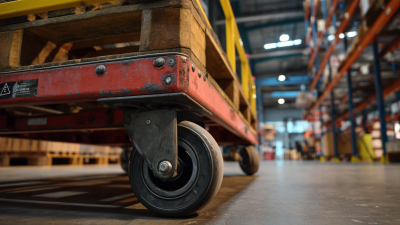
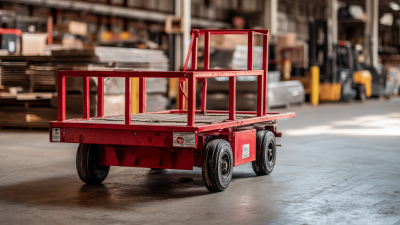
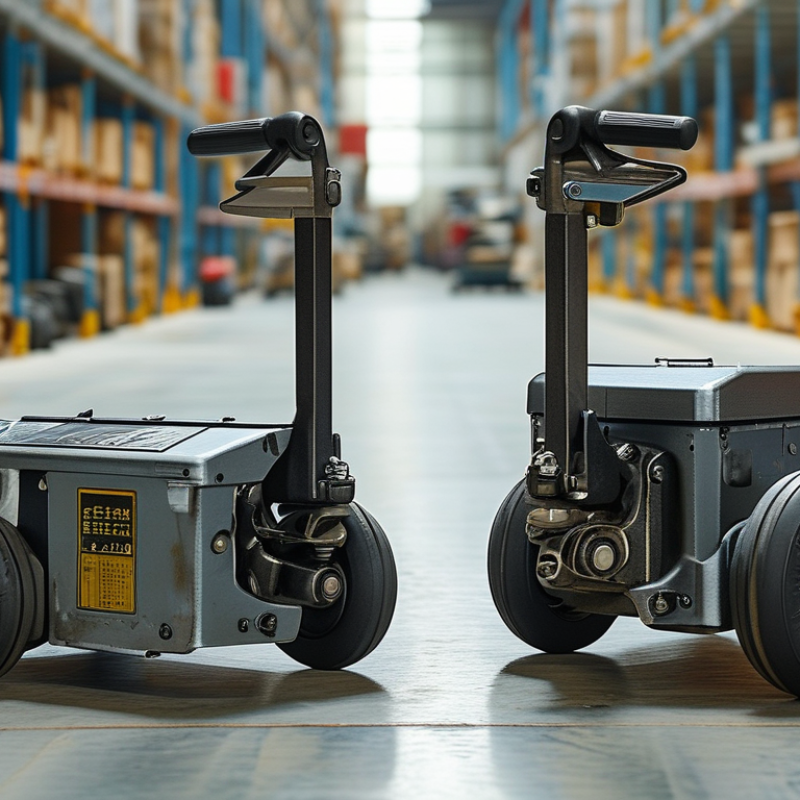
Caster trolleys are versatile tools used in various settings. They facilitate the movement of heavy items, whether in industrial warehouses or at home. Defined simply, a caster trolley is a platform mounted on wheels. This allows smooth transport, reducing the risk of injury from heavy lifting.
In industrial environments, caster trolleys are often made of robust materials. They support heavy machinery parts or supplies. However, improper use can lead to accidents. Users should regularly check wheels for wear and ensure the load is balanced. At home, caster trolleys can assist with organizing spaces. They help move furniture or carry cleaning supplies. Yet, homeowners must evaluate their floors’ durability. The wrong wheels might damage surfaces.
Understanding the specific needs for caster trolleys is essential. Not all environments require the same features. Factors like weight capacity and wheel size matter greatly. Some users may overlook these details, leading to dissatisfaction. When chosen correctly, a caster trolley enhances efficiency. It can transform a workspace or home, making tasks simpler and faster.
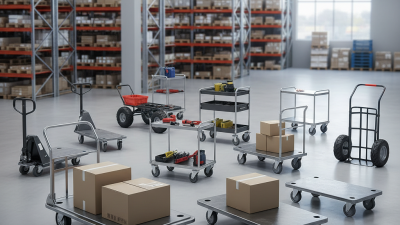
Types of Caster Trolleys: Industrial vs. Home Use Explained
Caster trolleys come in various types, catering to both industrial and home use. In industrial settings, these trolleys are designed for heavy loads. They are built robustly, often featuring durable materials like steel. This design ensures they withstand harsh environments and frequent usage. Industries rely on these trolleys for transporting equipment, pallets, and materials. Their wheels are usually larger, providing better mobility over rough surfaces.
In contrast, home-use caster trolleys prioritize convenience and mobility. They are generally lightweight, making them easy to maneuver. These trolleys may serve numerous functions, from moving furniture to aiding in household chores. Often made from plastic or lightweight metals, they may lack the durability of industrial trolleys. Still, they are ideal for daily tasks around the house. Users must consider the weight capacity to avoid potential issues. Choosing the right type involves understanding specific needs and the environments where the trolleys will be used. This reflects a nuanced decision-making process crucial for effectiveness.
Key Features to Consider When Selecting Caster Trolleys
Choosing the right caster trolley is essential for both industrial and home applications. Key features such as load capacity, wheel material, and maneuverability can significantly impact performance. For heavy loads, select trolleys with higher load ratings. Check the wheel diameter, as larger wheels roll more smoothly over rough surfaces.
Tips: Consider your workspace. Tight spaces require trolleys that can maneuver easily. Look for swivel wheels for enhanced control.
Durability is crucial. Industrial trolleys should withstand harsh environments. But, do not overlook home use. A durable build ensures longevity for everyday tasks. Review user feedback for real-world performance.
Tips: Think about maintenance. Low-maintenance wheels can save time and effort. Regular inspections can prevent costly repairs. Adjust your choices based on past experiences for optimal decision-making.
Maintenance Tips for Enhancing the Longevity of Caster Trolleys
Caster trolleys are essential in both industrial and home settings. Proper maintenance can enhance their longevity significantly. Regular checks are vital for ensuring their safety and efficiency. Keep an eye on wheels for wear and tear. If they become rough or cracked, it’s time for replacements.
Lubrication is another key aspect. Use appropriate lubricants on wheels and pivot points. This helps reduce friction and wear. However, avoid over-lubricating, which can attract dirt. Clean your caster trolleys regularly. Dust buildup can cause performance issues. A clean trolley works better and lasts longer.
Inspect the structure periodically. Look for loose bolts or cracks in the frame. Tighten any loose parts to prevent accidents. Consider the environment too. Extreme temperatures or moisture can affect materials. Storing trolleys in a controlled climate prolongs their use. Always be proactive in maintenance. This will ultimately boost your trolleys' lifespan.
Safety Guidelines for Using Caster Trolleys Effectively
Caster trolleys are essential for moving heavy items both at home and in industrial settings. However, using them safely is crucial. Improper use can lead to injuries or damage. Start by checking the load capacity of your trolley. Always know how much weight it can safely handle. Exceeding this limit is risky.
Tips: Always maintain a firm grip on the trolley handles. This helps maintain control during movement.
Ensure that the wheels are in good condition. Worn-out wheels can cause the trolley to tip over. Inspect them regularly, and don't hesitate to replace any that look damaged.
When navigating tight spaces, take your time. Rushing can lead to accidents. Be cautious around corners and uneven surfaces. It's easy to lose balance if you're not careful. Consider where you're going before moving the trolley. Always have a clear path.
Tips: Practice moving the trolley in a safe area first. This helps build confidence and muscle memory.