How to Choose the Right Furniture Castor Wheels?
Choosing the right Furniture Castor Wheels can change how a chair, cabinet, or worktable moves every day. A wheel that glides across tile may catch on a thick rug. One that looks sturdy may still be unsuitable for a heavy cabinet. Small details matter.
Start with the furniture’s total weight, including its usual contents. Check the load rating for each castor, and allow a sensible margin rather than choosing the bare minimum. Then consider the floor. Soft rubber or polyurethane wheels can help protect hardwood and reduce noise, while harder wheels may roll more easily on some smooth surfaces. Floor finishes vary, though, so test carefully when possible. One small test helps.
Mounting style deserves equal attention. A plate fitting and a stem fitting are not interchangeable, and the existing socket or mounting plate must match the new hardware. Measure the available space, wheel diameter, and fitting before ordering. For furniture that needs to stay put, consider models with reliable brakes; a brake on just one wheel may not prevent movement in every setup. Check the product specifications. Do not guess.
The best choice also depends on how often the furniture moves, whether it carries uneven loads, and where it is used. A dining chair has different needs from a loaded storage cart. No single castor suits every job. This guide will explain the key features, measurements, materials, and safety checks that help narrow the options. A little uncertainty is useful: when measurements or load details are unclear, confirm them with the manufacturer instead of relying on appearance alone.
Assess Furniture Load and Size Each of 4 Castors at One-Third of Total Weight
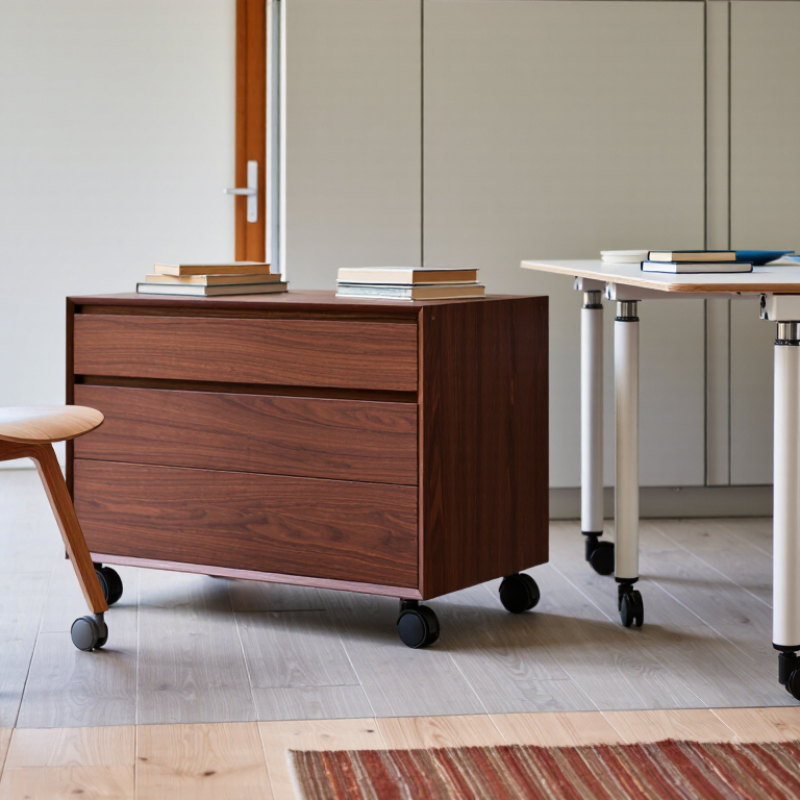
A reliable castor choice starts with the furniture’s fully loaded weight, not its empty weight. Include drawers, stored items, and anything likely to sit on top. Then divide the total by three, even when fitting four castors. For a 120 kg cabinet, each castor should carry at least 40 kg. This allows for uneven floors, where one wheel may lift slightly and the remaining three carry the load. Floors are rarely perfect.
Treat that figure as a baseline, not a guarantee. A castor’s published capacity should meet or exceed the calculated load, with extra allowance for bumps, frequent movement, and concentrated contents. ANSI/BIFMA X5.1-2017 includes repeated-use tests for office-chair bases and casters; such testing evaluates durability, but does not ensure your furniture’s weight is evenly shared. EN 12530 also sets performance requirements for furniture castors. Check wheel diameter and tread against the actual floor: small hard wheels can catch on thresholds, while softer wheels may roll more quietly. I would measure the narrowest doorway and inspect floor seams before buying; that step is easy to overlook.
Choose Wheel Material and Tread Width for the Floor Surface
The right castor depends on both the floor and the furniture’s load. On hardwood, laminate, or tile, softer rubber or polyurethane treads can roll quietly and help reduce scratches. Check that the wheel is clean; a tiny stone trapped in the tread can still mark a polished floor. Soft wheels may flatten or wear faster under heavy furniture, so match the castor’s load rating to the total weight.
For concrete or other hard, rough floors, a harder tread can resist wear and roll with less effort. On carpet, larger, wider wheels often cross pile more easily than narrow ones. A wider tread spreads weight over more floor area, but it may take more effort to turn in a tight space. There is no perfect choice for every surface. Floor seams, thick rugs, and frequent turns can change how a castor performs.
Tips: Measure the existing wheel and check its mounting type before buying replacements. Test one castor on the actual floor with the furniture loaded, then listen for noise and check for marks. Small details matter. Even a suitable wheel can disappoint if its tread is too narrow for a soft rug or too soft for a rough workshop floor.
Select Wheel Diameter to Clear Thresholds and Reduce Rolling Effort
Wheel diameter strongly affects how easily furniture crosses a doorway lip or floor transition. A larger wheel meets the edge at a gentler angle, so less pushing force is usually needed. Measure the threshold height, then check the space beneath the furniture frame; a wheel that clears the lip may still not fit under the cabinet. Leave room for the caster fork to swivel, too. Measure twice.
For a low, sharp threshold, compare wheels in the next available diameter rather than choosing by appearance. Test the furniture with its normal load, because an unloaded chair can roll very differently. Confirm each caster’s rated capacity against the total weight, allowing for uneven load sharing. Softer tread may protect wood floors, but it can increase rolling resistance; harder tread may cross seams more easily and feel less forgiving. A rounded threshold can make a smaller wheel workable, but I would not trust a ruler alone. Real floors vary, and a loaded test often reveals what measurements miss.
How to Choose the Right Furniture Castor Wheel Diameter
A useful rule of thumb is to choose a wheel diameter at least three times the threshold height. The chart shows that estimate for common wheel sizes; larger wheels generally roll over obstacles more easily and require less effort. Actual performance depends on the load, wheel material, and floor surface.
Match Mounting Type, Swivel Action, and Brake to the Furniture
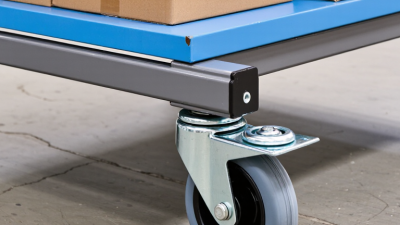
Choosing furniture castors starts with the mounting type. A stem fitting suits a prepared socket, while a plate fitting attaches with screws to a flat, sturdy surface. Measure the existing socket or plate before ordering. A small mismatch can make the castor wobble or sit unevenly. Check the furniture frame, too; thin or damaged material may not hold fasteners securely.
Swivel action matters in tight spaces. Swivel castors turn around corners more easily, while fixed castors help furniture travel in a straight line. A desk that moves between rooms may benefit from swivels on all corners. For a long shelf or trolley, a mixed setup can feel steadier, though it may take trial and adjustment. Consider the floor as well: hard wheels can mark delicate surfaces, and softer wheels may roll less freely on thick carpet.
Tips: Test the brake with the furniture loaded, not empty. A total-lock brake usually stops both wheel rolling and swivel movement; a wheel brake may only stop rolling. Confirm the brake lever is reachable once the castor is installed. Small detail, big difference. If possible, test one castor before fitting the full set.
Check Castor Requirements Against EN 12528:1998 and Manufacturer Test Data
How to Choose the Right Furniture Castor Wheels?
Check Castor Requirements Against EN 12528:1998 and Manufacturer Test Data
EN 12528:1998 provides a reference for assessing furniture castors, but a standard number alone does not prove suitability. Check the edition and requirements used in the manufacturer’s test report. Then compare them with your actual furniture, expected load, and floor conditions. A chair on smooth tile faces different demands from a loaded cabinet crossing carpet edges. Numbers need context.
Ask for the rated load per castor and how the test assembly was configured. Confirm whether the report covers rolling, swivelling, and repeated use under relevant conditions. Look for test duration, surface type, obstacles, and failure criteria; vague claims such as “heavy-duty tested” are hard to evaluate. Also allow for uneven load sharing: four castors do not always carry one quarter of the weight each. That matters. If the data omit a key detail, ask the supplier rather than assuming the rating transfers to your application. I would also compare a sample in place, because real floors are rarely as even as test surfaces. That extra check may expose a mismatch before installation.