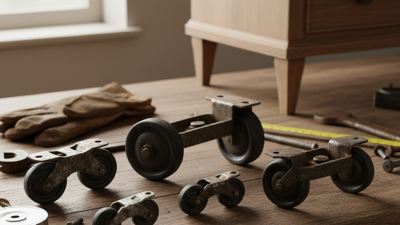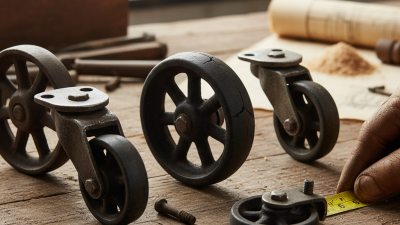
In the world of furniture design, Vintage Steel Casters have gained significant attention. Their timeless appeal and durability make them a favorite among designers and DIY enthusiasts. Renowned expert, James Caldwell, once said, "Vintage Steel Casters not only enhance functionality but also add an elegant touch to any piece of furniture." This sentiment perfectly encapsulates the growing interest in these functional yet stylish components.
Many people underestimate the importance of choosing the right casters. The strength and aesthetics of Vintage Steel Casters can elevate furniture from ordinary to extraordinary. Whether for a vintage table or a modern chair, the right caster makes a difference. However, the variety available can lead to confusion. It’s crucial to consider both your current furniture style and your personal taste.
While Vintage Steel Casters offer versatility, it’s essential to be mindful of potential shortcomings. They can rust if not properly maintained. Additionally, not every design suits all types of flooring, raising practical concerns for users. The allure of Vintage Steel Casters is undeniable, but thoughtful consideration can ensure a successful selection that meets both aesthetic and functional needs.
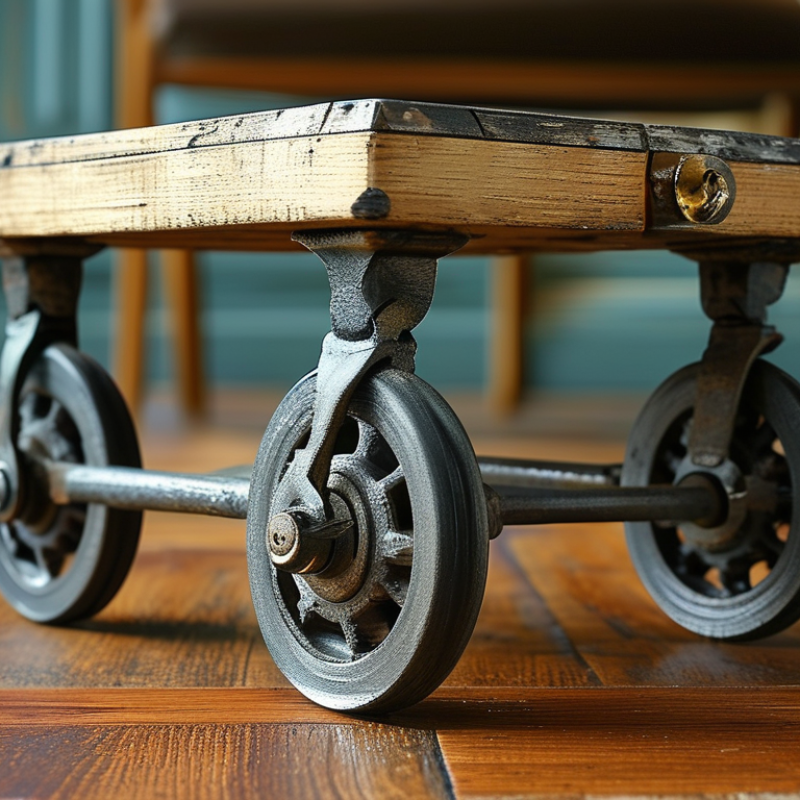
Vintage steel casters have become increasingly popular for their unique blend of style and functionality. Unlike conventional plastic or rubber casters, vintage steel models are often crafted with a heavy-duty construction. This makes them robust and durable, capable of supporting various types of furniture. According to a report by Grand View Research, the global furniture caster market is expected to reach $1.5 billion by 2025, with a substantial segment attributed to vintage styles.
The aesthetic appeal of vintage steel casters can enhance the character of furniture pieces. They have a distinctive look that can evoke a sense of nostalgia. However, it's essential to consider that not all vintage casters are suitable for every type of flooring. For instance, they may scratch softer surfaces like hardwood. Additionally, vintage steel casters may not always operate smoothly on carpeted areas.
Choosing the right vintage steel casters involves understanding their load capacity and the materials used. Many reputable sources recommend checking the weight tolerance before installation. This ensures they support your furniture while providing easy mobility. Despite their charm, some vintage casters may require more maintenance over time. Rust and wear can become issues if not maintained properly. Care and consideration are required in making the most of these stylish additions.
Vintage steel casters add charm and functionality to furniture. They vary significantly in design and use. Understanding their types can guide you in choosing the right ones for your needs.
There are several types of vintage steel casters. The most common are swivel casters. They allow easy movement in multiple directions. Rigid casters, on the other hand, only roll straight. They're ideal for heavy furniture that doesn't require frequent repositioning. Specialty casters can also be found, designed for specific purposes like floor protection or adding a retro aesthetic.
Make sure to consider the weight capacity of the casters. Overloading can wear them out quickly and lead to furniture damage. It's also important to choose a size that fits your furniture legs properly. An improper fit can cause wobbling. Pay close attention to the surface where the casters will roll. Soft surfaces require different materials compared to hard floors.
Lastly, don't underestimate the importance of maintaining your casters. Regular cleaning can prevent dust buildup, ensuring smooth operation. Repair or replace any damaged casters promptly. A small issue can escalate if neglected.
Choosing vintage steel casters for your furniture requires careful consideration of several key features. Load capacity is paramount. Many vintage models can handle up to 300 pounds each. This ensures durability and supports heavy items. Moreover, wheel diameter affects mobility. Larger wheels roll more smoothly on uneven surfaces. A common size is 4 inches, balancing strength and stability.
Attachment type is another crucial factor. You may encounter stem mount or plate mount options. Stem mounts generally offer easier installation, while plate mounts provide sturdiness. Consider the furniture design when selecting the attachment type. Corrosion resistance is also essential for longevity. Look for casters with protective coatings that resist moisture and rust. According to industry studies, well-maintained casters can last over 10 years.
Pay attention to aesthetics as well, as vintage casters should match your furniture's style. Look for designs that complement your décor. Materials matter; high-quality steel offers resilience against wear. Vintage pieces may show signs of age, which can add character, but excessive rust or damage can be concerning.
Select carefully. Sometimes, cheaper options can lead to regrets. Prioritize quality over cost for a long-term investment in your furniture. Making informed choices enhances the beauty and utility of your space.
Maintaining vintage steel casters is crucial for preserving their function and aesthetic appeal. Regular cleaning with a soft cloth keeps them free from dust and grime. Make a habit of checking the wheels for debris, which can impede movement. Occasionally, a simple lubrication can enhance their performance. Use a light machine oil, ensuring it doesn’t collect dirt.
Inspect the casters for signs of rust. If you notice any, treat them immediately. Use a mild rust remover, follow up with a protective finish to prevent future damage. It’s easy to overlook these details, but neglect can lead to serious deterioration.
Check the attachment points regularly, as loose screws can compromise stability. Tightening them occasionally is a small step that can save you much trouble. Be mindful of the surface your furniture sits on; uneven floors can cause undue wear on the casters. You might feel tempted to overlook minor signs of wear, but addressing them early can prolong the life of your vintage pieces significantly.
When searching for vintage steel casters, there are many places to explore. Antique shops often carry unique finds. These stores are treasures filled with history and charm. Flea markets can also be a goldmine. Here, you might discover unexpected gems at reasonable prices. Keep an open mind and examine each piece thoroughly.
Online marketplaces provide another avenue for finding quality casters. Websites dedicated to vintage furniture often have options for discerning shoppers. Make sure to read reviews from previous buyers. These insights can help gauge quality and reliability. However, always consider asking for additional photos to verify the product's condition. Sometimes, imperfections can be deceiving.
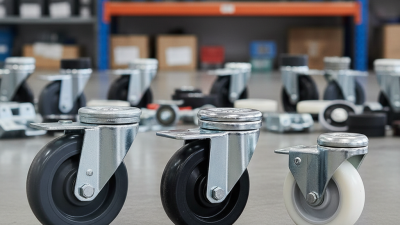
Local hardware stores may also stock new options that mimic vintage designs. While these may lack the history of true vintage pieces, they can serve practical purposes well. Mixing and matching can create a unique look. Ultimately, the journey of finding the perfect casters can be a rewarding experience, filled with discovery and occasional disappointment. Remember, patience is key in this search.
| Type | Wheel Diameter | Weight Capacity | Material | Price Range | Source |
|---|---|---|---|---|---|
| Stem Casters | 2 inches | 100 lbs | Steel & Rubber | $10 - $20 | Online Marketplaces |
| Plate Casters | 3 inches | 150 lbs | Steel | $15 - $25 | Antique Shops |
| Swivel Casters | 4 inches | 200 lbs | Steel with Rubber Tread | $20 - $30 | Trade Shows |
| Fixed Casters | 5 inches | 250 lbs | Steel | $25 - $35 | Hardware Stores |
| Heavy-Duty Casters | 6 inches | 400 lbs | Reinforced Steel | $30 - $50 | Specialty Stores |