head_newbanner

Why Choose a Swivel Plate Caster for Industrial Use?

Industrial floors rarely forgive poor wheel selection. A loaded cart may cross concrete, expansion joints, ramps, and oily workshop areas within one shift. In these conditions, a Swivel Plate Caster can improve maneuverability while reducing the force required to redirect equipment. Its top plate spreads the load across several mounting points, while the swivel raceway allows the wheel to turn around a vertical axis.

Industry data supports closer attention to material movement. MHI’s 2024 Annual Industry Report describes rising investment in supply-chain technology, automation, and operational resilience. These trends increase the need for dependable equipment that workers can position safely and repeatedly. Grand View Research also reports continued expansion in the global material handling equipment market, driven by warehouses, manufacturing plants, and distribution networks. Casters are small components, but their failure can interrupt a much larger system.

The choice is not automatic. A swivel caster may steer easily, yet it can introduce tracking changes under heavy loads or on uneven floors. That detail is often overlooked. Wheel diameter, tread hardness, bearing design, mounting height, and load rating must match the application. ISO 22883 provides useful guidance for industrial castor performance and testing, although real workplaces can be harsher than laboratory conditions. A practical evaluation should include actual load trials, turning frequency, floor debris, temperature, and braking needs. In my experience, the best specification begins beside the cart, not inside a catalog. Sometimes, the simplest test reveals the weakness. This article examines why a Swivel Plate Caster remains a practical industrial option, where it performs well, and when another caster design may be more appropriate.
Why Choose a Swivel Plate Caster for Industrial Use?

What Is a Swivel Plate Caster?

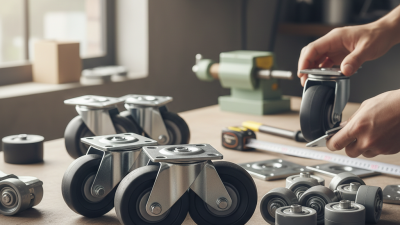
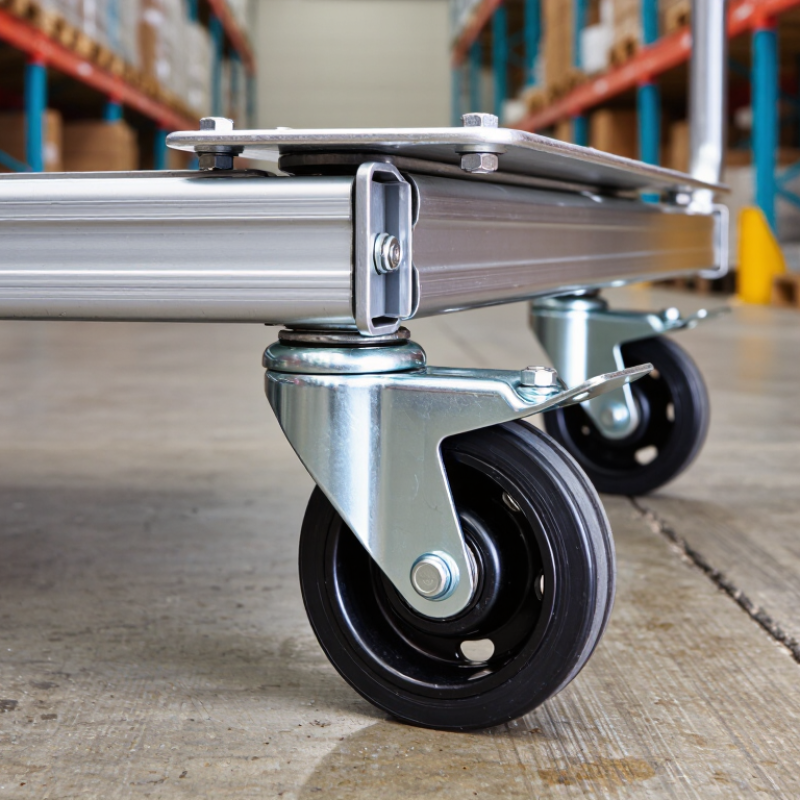
A swivel plate caster is a wheel assembly that turns around a vertical axis. Its top plate attaches to equipment with bolts or threaded fasteners. Beneath the plate, a swivel raceway allows the wheel to change direction smoothly. The wheel usually contains a tread, hub, axle, and bearing system. Together, these parts support movement under heavy industrial loads.

The plate spreads force across a wider mounting area. This helps reduce stress on the equipment frame. A well-built caster can move carts, racks, worktables, and mobile machinery through tight spaces. The swivel action matters most when operators need controlled turning. However, smooth movement depends on more than the caster itself. Floor joints, debris, uneven loads, and incorrect bolt tightening can affect performance.

Load capacity should match the real working condition, not only the equipment’s empty weight. Add the contents, handling impact, and uneven weight distribution. That calculation is often overlooked. Wheel material also matters. Hard wheels roll efficiently on smooth concrete, while softer treads may protect sensitive floors. In damp or dusty areas, corrosion resistance and sealed bearings deserve closer attention. Regular inspections should check loose hardware, wheel wear, noise, and restricted rotation. A small issue can become a handling problem. The most reliable installation still requires practical judgment, because published ratings may not reflect every floor, load, or work pattern.

How Does a Swivel Plate Caster Work?

Why Choose a Swivel Plate Caster for Industrial Use?

How Does a Swivel Plate Caster Work?

A swivel plate caster uses a top plate, fork, raceway, bearings, axle, and wheel. Bolts secure the plate to a cart, machine, or platform. Beneath it, the fork rotates around a vertical kingpin. This movement lets the equipment turn nearly 360 degrees without lifting the load.

The raceway carries vertical pressure while the bearings reduce friction during rotation. The wheel handles rolling resistance across concrete, tile, or uneven workshop floors. A larger wheel usually crosses floor joints more smoothly. However, it can increase equipment height. That detail is easy to overlook.

Caster performance depends on more than rated capacity. Engineers should divide the total load by three, not four, when four casters support equipment. Uneven floors can leave one caster partly unloaded. This conservative method comes from common material-handling design practice and improves reliability.

A 2024 Grand View Research analysis estimates the global casters market will expand at about 5.6% annually through 2030. That growth reflects wider use in factories, warehouses, and medical facilities. Still, market growth does not guarantee correct selection. A swivel plate caster with excessive swivel offset may steer easily but create instability under heavy loads. A poor wheel material can also mark floors or resist movement. Field testing remains valuable, especially with frequent stops, tight turns, and wet surfaces.

Which Industrial Advantages Does It Provide?

A swivel plate caster gives industrial equipment controlled movement in busy work areas. Its rotating assembly lets carts change direction without lifting or dragging them. This reduces turning effort near machines, storage racks, and narrow production lanes. Operators can guide heavy loads with smaller steering movements. That matters.

The plate mount spreads force across a wider section of the equipment frame. When properly fastened, it can improve stability during repeated starts, stops, and directional changes. Industrial teams should match the caster’s load rating to the total working weight, including tools and materials. A safety margin is sensible because real loads rarely remain perfectly balanced. Uneven floors, debris, and sudden impacts can still cause trouble. The choice is not always obvious.

Swivel casters also support flexible workflow changes. A mobile workbench can move between stations, while a storage cart can turn around a tight corner. Wheels with suitable tread may reduce floor marking and rolling noise. Sealed bearings can limit dust entry and reduce routine maintenance, although no component is maintenance-free. Inspect the mounting plate, fasteners, wheel surface, and swivel action regularly. Small details count. A caster that feels stiff may increase pushing force and encourage unsafe handling. In wet, abrasive, or high-temperature areas, material selection becomes more important than appearance. A practical evaluation should consider floor condition, operating speed, load distribution, and cleaning routines before installation.

How to Select the Right Swivel Plate Caster

Why Choose a Swivel Plate Caster for Industrial Use?

How to Select the Right Swivel Plate Caster

Selecting a swivel plate caster starts with the working load, not the wheel diameter. Divide the total equipment weight by the number of casters, then add a safety margin. Uneven floors can overload one caster. Measure twice.

Inspect the floor before choosing the wheel material. Polyurethane wheels suit smooth concrete and reduce rolling noise. Rubber wheels protect delicate floors but may wear faster under heavy loads. Steel wheels handle high temperatures and rough surfaces, yet they can mark floors and transmit vibration. Consider debris, moisture, oil, and cleaning chemicals near the equipment.

Check the mounting plate, bolt spacing, and available clearance. A thick plate helps resist bending during turning or sudden stops. The swivel raceway should rotate smoothly without looseness. A brake may lock the wheel, the swivel, or both, so confirm what operators actually need. In busy aisles, total locking often provides better control. In tight spaces, a smaller wheel may turn easily but roll poorly across joints. That trade-off is easy to miss.

Review the caster’s rated load at the expected speed and temperature. Ratings can change with continuous movement, impact, or heat. Ask for test data when the application is critical. I would also trial a sample on the real floor. Catalog specifications are useful, but they cannot show every ramp, crack, or cleaning routine. Recheck bolts after initial use, because vibration can loosen a seemingly correct installation.

What Maintenance Supports Reliable Caster Performance?

A swivel plate caster can turn heavy equipment through tight industrial aisles, but dependable movement depends on maintenance. In daily inspections, I check the wheel for flat spots, cuts, embedded metal, and uneven wear. I also examine the plate, bolts, and weld area for cracks or looseness. A loose fastener may let the caster track sideways. That small defect can increase pushing force and damage floors.

Keep it clean. Metal chips, dust, and spilled material often collect around the swivel raceway. Remove debris with a brush, then wipe surfaces with a suitable dry cloth. Water should not remain near bearings or fasteners. Lubrication requires judgment, not a blanket schedule. Use a lubricant compatible with the bearing and the working environment. Too much grease can attract abrasive dust, while too little can create rough rotation and heat.

During service, rotate the caster by hand and listen for grinding or clicking. Replace damaged wheels, bearings, or mounting hardware before failure becomes a production problem. Confirm the caster’s load rating against the actual load, including shock from thresholds and ramps. I have seen teams inspect wheels but overlook the mounting plate. That mistake is easy to repeat. Record inspection dates, wear, lubrication used, and corrective actions. The interval may need adjustment after washdowns, humidity, or heavier shifts.

Why Choose a Swivel Plate Caster for Industrial Use?

What Maintenance Supports Reliable Caster Performance?

Swivel plate casters improve maneuverability by allowing loads to change direction without lifting or repositioning the equipment. A practical baseline for clean, moderate-duty indoor service is to inspect wheels, brakes, and fasteners every 30 days, lubricate the swivel bearing about every 90 days, and service the caster immediately when damage, excessive play, or abnormal noise is detected. Actual intervals should be adjusted for load, travel frequency, temperature, moisture, and floor conditions.