China Best Vintage Steel Casters for Global Buyers
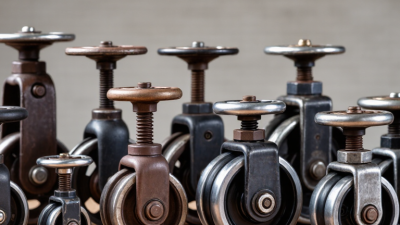
Vintage Steel Casters bring more than an old-fashioned look to furniture, carts, and restored equipment. Their steel wheels, visible fasteners, and worn finishes can add character, but appearance alone cannot show whether a caster will roll smoothly or support a practical load. Buyers should inspect wheel diameter, mounting plate dimensions, bearing condition, finish, and the surface where each caster will travel. A wheel that glides across a smooth workshop floor may chatter on rough stone. Small details matter.
For global buyers, sourcing also means asking clear questions. Request close-up photographs, dimensional drawings, material details, and sample testing when possible. Confirm that the mounting pattern fits the project before ordering. Shipping distance can make returns slow and costly. That deserves attention.
I cannot verify a named Vintage Steel Casters specialist or an authentic quotation from the information provided, so I will not invent one. Instead, this guide focuses on observable product details and practical buyer checks. Even careful advice has limits: vintage-style products vary, and appearance may not reveal the steel grade, internal wear, or manufacturing tolerances. Treat supplier claims as starting points, then confirm the specifications that matter for your intended use.
Understanding Vintage Steel Casters and Their Defining Features
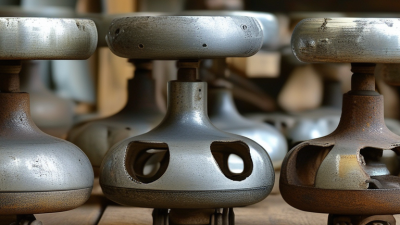
Vintage steel casters are more than wheels with an aged finish. Their defining features usually include a steel wheel or fork, a compact mounting plate, and visible signs of use, such as softened edges or worn paint. The appeal is practical, too. Steel wheels can handle demanding loads and resist deformation better than many softer materials. But they may mark delicate floors and transmit vibration. Old does not always mean better.
A useful benchmark is ISO 22878:2004, which specifies test methods for castors and wheels, including performance checks relevant to load and movement. Buyers can ask suppliers for test documentation rather than relying on appearance alone. For material context, the World Steel Association reported global crude steel production of about 1.89 billion tonnes in 2023. That scale reflects steel’s broad industrial role, though it does not prove any specific caster’s quality. Ask about wheel diameter, bearing condition, mounting dimensions, and rated capacity. A rusty swivel joint may look authentic, yet it can make turning stiff and unpredictable. Vintage style deserves inspection.
How Steel Casters Are Made and Classified
China Best Vintage Steel Casters for Global Buyers
How Steel Casters Are Made and Classified
Steel casters begin with carefully selected steel plate, bar, or cast material. Manufacturers cut and form these parts to match the required load. Forged steel usually offers strong grain structure and impact resistance. Cast steel suits complex shapes and heavy industrial frames. After forming, workers machine the axle bore and mounting surfaces. Heat treatment can improve hardness, but excessive hardness may increase brittleness. This balance needs practical testing.
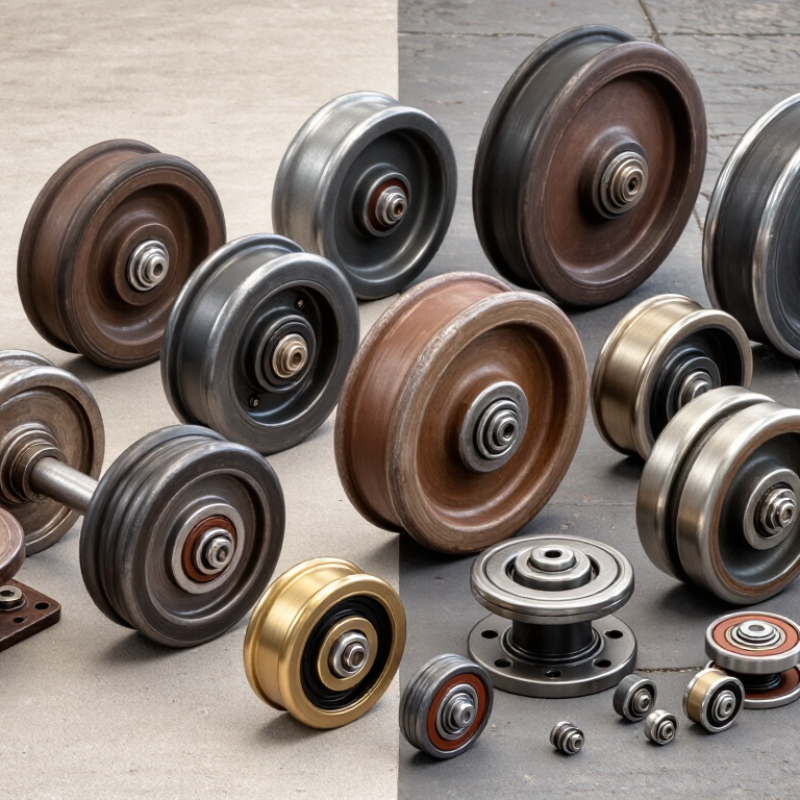
Classification depends on several measurable features. Wheel diameter affects rolling ease over joints and uneven floors. Wheel width influences stability and contact pressure. Casters may be swivel, rigid, or equipped with a brake. Mounting styles include top plates, threaded stems, and bolt holes. Load ratings should include a safety margin, not only the equipment weight. A vintage appearance changes the visual style, not the engineering requirements.
For global buyers, inspect surface finish, weld quality, axle alignment, and swivel movement. A rough raceway often creates noise before failure becomes visible. Protective coatings help resist moisture, though no coating lasts forever. Ask for dimensional drawings, load tests, and material information. I still find buyers judging quality by polished surfaces alone. That is an easy mistake. A quiet sample on a clean floor may perform differently under dust, vibration, and repeated impact.
How Steel Casters Are Made: Typical Process Temperature Windows
Steel caster components are commonly produced through steel melting, forming, heat treatment, quenching, and tempering. The chart shows representative temperature windows used for carbon and alloy steel components. Exact temperatures vary according to steel grade, component thickness, and required load capacity.
Key Factors for Comparing Vintage Steel Caster Suppliers in China
Vintage steel casters must combine period character with dependable daily performance. When comparing suppliers in China, examine steel grades, wheel diameter, load capacity, and mounting dimensions. Ask for mill certificates, hardness records, and coating details. Sample testing matters.
A reliable supplier should provide clear drawings with tolerances and installation measurements. Check how the caster handles uneven floors, repeated rolling, and static loads. Ask whether swivel plates, kingpins, and brakes receive separate inspections. A polished catalog is not proof of production control. Factory photographs, inspection records, and traceable batch numbers offer stronger evidence. Small details count.
The vintage finish also needs careful evaluation. Suppliers may use blackened steel, aged coatings, or controlled surface marks. Request physical samples under natural light. Digital images can hide uneven texture and weak edges. The decorative effect should not reduce safety or movement quality. A supplier may meet the drawing but miss the intended vintage feel.
Communication is another practical test. Send one detailed inquiry and measure the response. Does the supplier clarify unclear dimensions? Does it explain minimum order quantities, sample fees, packaging, and lead times? Export documents should be prepared accurately for the destination market. After-sales support deserves attention too. Replacement parts and defect handling can affect long-term costs. One purchasing lesson remains uncomfortable: the cheapest quotation may create expensive adjustments later. Allow room for testing, revisions, and honest feedback.
Assessing Quality, Safety, and Compatibility for Global Markets
Vintage steel casters can add a practical, period-appropriate look to carts, cabinets, and worktables. Their condition matters more than their finish. Check each wheel for flat spots, cracks, rust-through, and loose bearings. A smooth spin by hand is useful, but it cannot confirm performance under load. Measure the mounting plate, bolt spacing, wheel diameter, and overall height before ordering. A few millimeters can change a cart’s balance. Fit matters. Compare the caster’s rated capacity with the total load, including uneven weight distribution. Then test a sample on the actual floor surface.
For global buyers, compatibility includes more than matching dimensions. Steel may resist impact, yet exposed surfaces can corrode in damp storage or coastal air. Ask how the metal is protected, and inspect the finish for chips around welds and fasteners. Check whether the swivel turns freely and the brake holds on the intended floor. Test it loaded. Packaging and transport can also loosen fittings, so inspect the shipment before installation. Keep measurements, load details, and inspection notes together. Records matter. One limitation is easy to miss: vintage-style parts may not share modern mounting standards, so confirm replacement options before committing to a full set.
Common Applications and Maintenance of Vintage Steel Casters
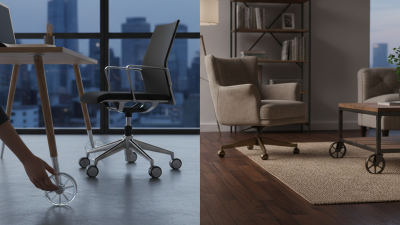
Vintage steel casters suit furniture and equipment where a sturdy, traditional appearance matters. They are often fitted to industrial-style cabinets, worktables, display stands, and restored carts. Their metal wheels can handle firm floors well, though they may mark delicate surfaces. On uneven flooring, expect more vibration and noise. A caster that looks right is not always the best fit.
Before installation, check the wheel diameter, mounting plate, load rating, and available clearance. Add the weight of the object and its contents when estimating the load. For a worktable that moves often, swivel casters can improve handling, while brakes help keep it steady during use. Check the floor, too. A polished concrete surface behaves differently from old timber, and I have seen people overlook that detail.
Tips: Wipe away dust and grit with a dry cloth, then inspect the wheel and mounting hardware regularly. Remove tangled fibers before they work into the axle. Apply a small amount of suitable lubricant if movement becomes stiff, but avoid excess that can collect debris. Tighten loose fasteners carefully. Older steel may show wear or surface rust, so inspect it rather than assuming its vintage finish means it is sound.