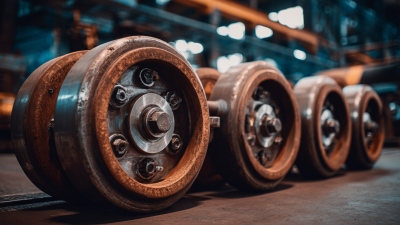
Top Tips for Choosing Antique Metal Casters for Your Projects?
When embarking on a project that demands authenticity and charm, Antique Metal Casters stand out as a unique choice. These small yet significant components infuse vintage character into furniture and décor. Selecting the right antique casters requires more than a keen eye; it demands understanding their history and functionality.
Antique Metal Casters come in various styles, materials, and designs. Each piece tells its own story through patina and wear. However, many people rush into decisions, often overlooking crucial details that could impact the overall appearance and usability. For example, consider the weight capacity and wheel diameter. Choosing mismatched sizes can lead to frustration later.
Moreover, knowing the right sources is essential. Not every seller offers genuine Antique Metal Casters, so research and personal recommendations matter. Trust only experienced dealers or reputable antique shops. In this fascinating world of restoration, everything serves as a conversation starter. Careful selection can make your project not just functional but also a piece of history.
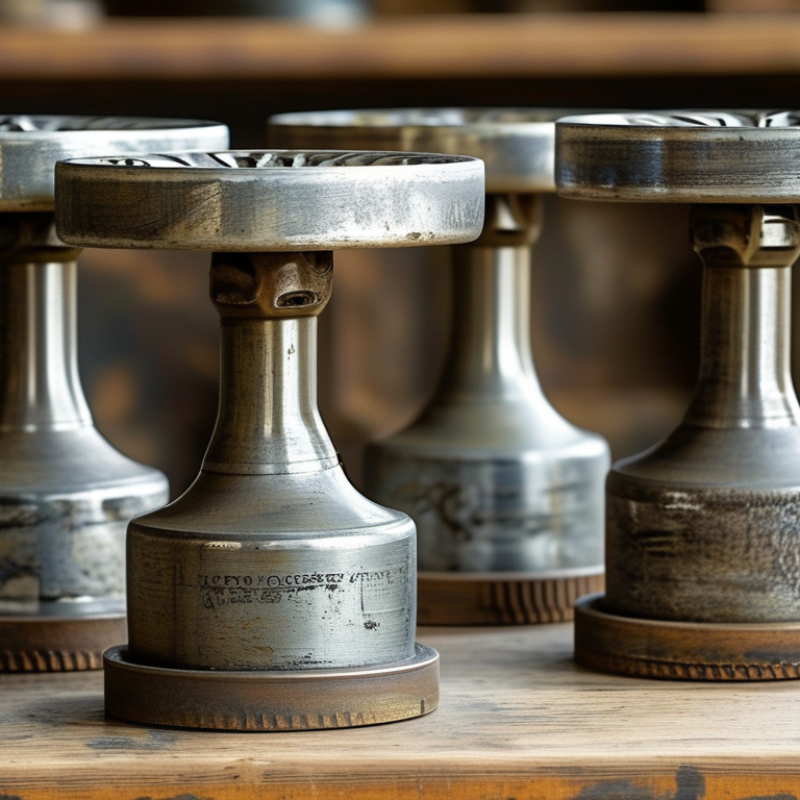
Understanding the Different Types of Antique Metal Casters Available
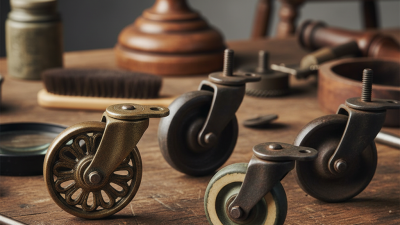
When selecting antique metal casters, understanding the available types is essential for successful projects. Metal casters come in various styles and materials, often influenced by their age and functionality. For instance, brass casters, known for their durability, are often found on Victorian furniture. Research indicates that over 45% of collectors prefer these for restoration projects.
Wheels can also be crafted from iron. This type typically offers a rustic aesthetic. It may not be suitable for all surfaces, though. Antique iron casters often show wear, which can be a drawback for some users. Choosing the wrong type may affect the caster's functionality and the piece's overall aesthetic.
Additionally, size matters. Casters range from small and discreet to large and prominent. A study revealed that 30% of furniture owners overlook size, impacting both functionality and design. An incorrect proportion may lead to issues, like uneven weight distribution. This could require a revisit to project plans. Each choice should be made with careful consideration of the piece’s overall look and intended use.
Key Factors to Consider When Choosing Antique Metal Casters
When selecting antique metal casters, several key factors demand attention. The age and provenance of the casters often influence their charm and price. Understanding the history can enhance the appeal of your project. Look for unique patinas and finishes that showcase the wear of time. A rich, aged look adds character to any furniture piece.
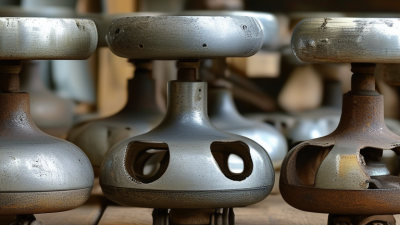
Material quality is crucial. Examine the metal for durability and strength. Cast iron and brass are popular choices that offer reliability. They stand the test of time and support heavy loads. Pay attention to the wheel design. A wider wheel might be necessary for softer floors, preventing damage and ensuring smooth movement. Inspect the swivel functionality as well. Casters that do not rotate freely can lead to frustration.
Not every antique caster is perfect. Some may require refinishing or repairs. Be prepared to invest time and effort in restoration. Finding a matching set can be challenging. This process might take longer than expected. Evaluate whether you want a cohesive look or an eclectic charm. These reflections will guide your decision-making and contribute to the overall success of your project.
Evaluating Weight Capacity: Ensuring the Right Fit for Your Projects
When selecting antique metal casters, weight capacity is crucial. Knowing how much weight your casters can handle ensures safety and functionality in your projects. For instance, consider the total weight of furniture pieces. If you underestimate, the casters may not perform well. This could lead to issues, like wobbling or even damage.
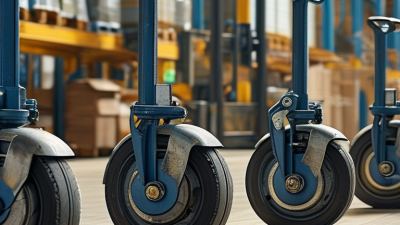
Check the caster specifications closely. A caster rated for 300 pounds may not work well for a 400-pound item. Miscalculating can lead to frustration. Each project is unique, so ensure that the casters match your needs. Assess the materials and design of your antique finds. Heavy-duty options often have thicker metal and sturdier wheels.
Take some time to test the casters before finalizing your choice. Move them around to feel their stability. Sometimes, the aesthetic appeal of a caster can overshadow its utility. Don't compromise functionality for appearance. Reflect on how the casters perform under actual conditions. Selecting the right metal casters can immensely elevate your project’s overall quality.
Assessing Aesthetic Compatibility with Your Design Style
When selecting antique metal casters, aesthetic compatibility is vital. Consider the overall design of your project. The casters should enhance rather than distract from your furniture or decor. Look for details that resonate, such as vintage finishes or intricate patterns. These elements can tie together the visual narrative of your space.
Explore different metal types, such as brass or cast iron. Each offers a unique look and feel. For instance, a brass caster adds warmth and elegance, while cast iron conveys a more rustic vibe. Don’t rush this decision. It's essential to hold the casters in your hand, observing their texture and weight. Sometimes, a piece that looks perfect in pictures may feel off in reality.
Think about the proportions, too. A large caster on a delicate piece can create imbalance. This choice might undermine the overall aesthetic. Reflect on how these casters will interact with your design style. Will they echo the romantic allure of Victorian furnishings or the minimalism of modern design? Take your time to make the right choice; your project deserves thoughtful consideration.
Maintenance Tips for Longevity of Antique Metal Casters in Use
Maintaining antique metal casters is crucial for their longevity. Regular cleaning is essential. Use a soft cloth to remove dust and dirt. Avoid harsh chemicals that could damage the finish. Instead, opt for a mild soap solution. This gentle approach helps preserve their antique charm.
Lubrication is another key element. Apply a few drops of oil to the moving parts. This prevents rust and ensures smooth operation. However, don't overdo it. Excess oil can attract dirt and grime. Keep an eye on wear and tear. Antique casters may need repair over time. Addressing small issues early can save you from bigger problems later.
Storage plays a vital role too. If not in use, keep casters in a dry place. Humidity can cause corrosion. Consider using a soft cloth cover to prevent scratches. Reflect on the casters' history. Each mark tells a story, enhancing their value. Proper care will help these artifacts serve you well for years.