head_newbanner

7 Best Iron Castor Wheels for Heavy Duty Use?

Choosing the right caster can determine whether a heavy cart rolls steadily or becomes difficult to control. Iron Castor Wheels are often considered for demanding environments where durability and load capacity matter. Yet “heavy duty” does not mean every wheel suits every job. Floor conditions, load distribution, operating speed, and exposure to moisture can all affect performance.

This guide introduces seven iron castor wheel options and explains the practical differences buyers should check. Look beyond the material name. Compare each wheel’s rated capacity, diameter, tread design, bearing type, mounting style, and compatible floor surface. A wheel may carry a high stated load under test conditions but perform differently on uneven flooring or when a cart turns frequently. That detail matters. So does the total system: the frame, fasteners, and swivel assembly must also handle the intended load.

Iron wheels can be robust, but they may be noisy or mark softer floors, depending on their finish and the surface. They are not automatically the best choice. Measure the available mounting space, estimate the real working load, and consider how often the equipment must move. If specifications are unclear, ask the supplier for documentation rather than relying on a broad product label. Small differences matter here. This overview is a starting point, not a substitute for checking the exact model against your working conditions.
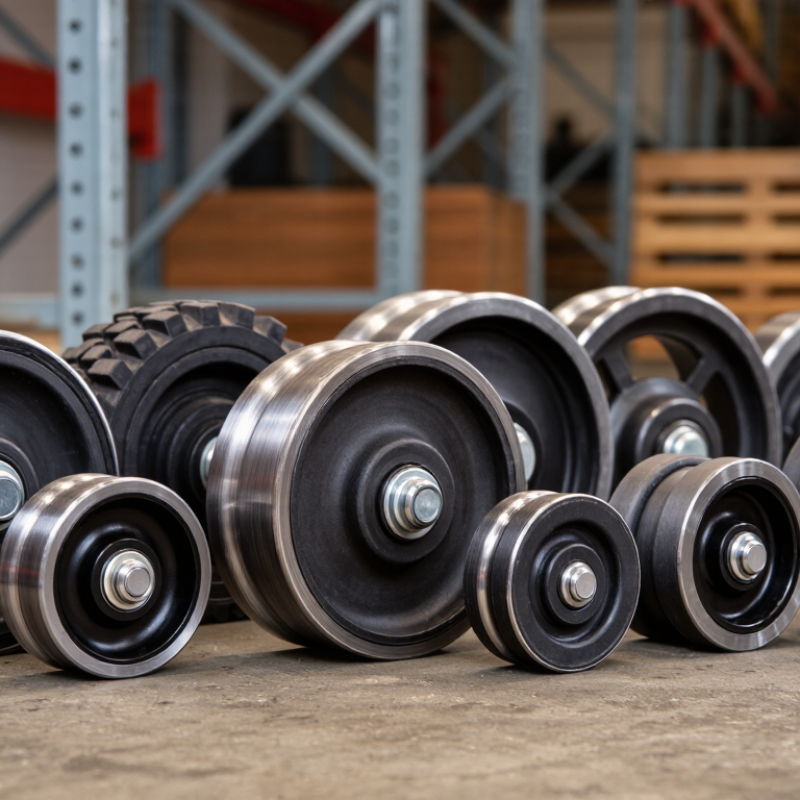
7 Best Iron Castor Wheels for Heavy Duty Use?

What Iron Caster Wheels Are and How They Support Heavy Loads

Iron caster wheels are usually made from cast iron, with a solid tread and a central hub that carries the axle and bearing. Their rigid construction helps limit wheel deformation under heavy, steady loads. A wide tread spreads contact across the floor, while a properly sized bearing lets the wheel turn without excessive effort. The mounting plate matters too: thin plates or loose fasteners can become the weak point, even when the wheel itself is robust. Small details count.

Material strength is not the same as a wheel’s rated capacity. ASTM A48/A48M classifies gray iron by tensile strength; Class 30 denotes a minimum of 30,000 psi for the specified test material. That figure does not certify a complete caster. ISO 22878 sets out caster and wheel test methods, including static-load testing, so buyers should compare the manufacturer’s tested rating with the actual assembly.

For a four-caster cart, a conservative check often divides the total loaded weight by three, allowing for uneven floors that may leave one wheel lightly loaded. It is a useful estimate, not a substitute for a rated capacity.

Iron wheels can be noisy and may mark softer floors, especially when a loaded cart crosses joints or thresholds. Inspect the floor, bearings, plate, and fasteners together.

Key Factors for Choosing Heavy-Duty Iron Caster Wheels

Choosing heavy-duty iron caster wheels starts with the load they must carry, not the largest number in a catalog. Add the equipment’s weight to its maximum contents, then divide by the number of wheels that reliably share the load. Uneven floors can leave one wheel carrying more than expected. Leave a safety margin for starts, stops, and impacts. Check each wheel’s rating, and confirm the frame, axle, and mounting plate can handle the same duty. Not enough alone.

Wheel diameter affects how easily a cart crosses cracks, thresholds, and floor joints; larger wheels usually roll over obstacles more smoothly. Iron wheels resist wear under heavy loads, but their hard tread can mark delicate floors and create more noise. Match the wheel design to the actual surface, not just the warehouse label. Consider bearing type, swivel clearance, and exposure to moisture or grit. A sealed bearing may reduce routine cleaning, though regular inspection still matters. Small checks help. Look for loose fasteners, flat spots, and rough rotation before a wheel fails. It is easy to overfocus on load rating; floor condition and turning space can matter just as much.

Seven Iron Caster Wheels Compared by Load Capacity and Design

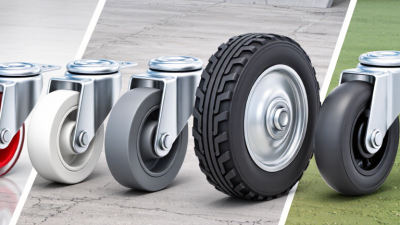
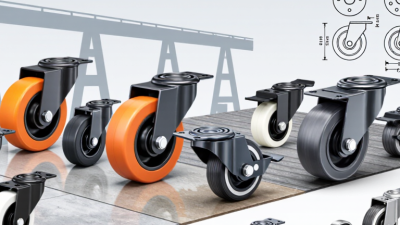
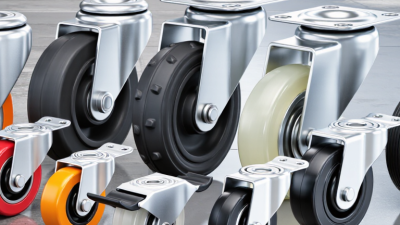
Seven iron caster wheels differ in how they carry weight and move.

A rigid plate wheel tracks straight and suits heavy carts on fixed routes.

A swivel plate wheel turns easily, but its rotating assembly may have a lower rating than a comparable rigid model.

A swivel wheel with a brake adds control when parked. Check whether the brake locks the wheel, the swivel, or both.

A stem-mounted iron wheel fits compatible equipment, though its stem can become a weak point under side loads.

A double-wheel design spreads weight across more contact area and can improve turning on smooth floors.

A solid, one-piece iron wheel favors rugged service but may transmit vibration.

An iron-core wheel with a softer tread can protect floors, yet its tread may limit capacity.

Compare each model’s published load rating, mounting dimensions, and intended surface; design alone does not establish capacity.

Tips:

Divide the fully loaded cart’s weight by the number of wheels, then allow extra margin for uneven floors and shock.

Do not assume all four wheels share weight equally.

Measure the mounting plate or stem before ordering.

One detail is easy to overlook: a high-capacity wheel can still perform poorly if its bearings, fasteners, or floor surface are mismatched.

Best Applications for Different Types of Iron Caster Wheels

Solid cast-iron wheels suit foundries, machine shops, and other settings with heavy, steady loads. Their hard tread resists wear and handles heat better than many softer materials. On rough concrete, they can roll reliably under equipment such as welding tables or tool cabinets. But they transmit vibration and may mark or chip finished floors. Very hard-wearing is not always floor-friendly.

For smoother indoor floors, consider an iron-core wheel with a polyurethane or rubber tread. The iron core supports substantial loads, while the softer outer layer reduces noise and helps protect concrete or tile. These work well on carts moving parts between production stations. Check the wheel’s rated capacity and temperature range; a soft tread can deform under prolonged heat or concentrated weight. Small details matter.

High-temperature iron wheels are suited to ovens, kilns, and hot manufacturing areas, where ordinary tread materials may fail. For carts that change direction often, swivel casters improve maneuverability; rigid casters track straighter over longer routes. In maintenance settings, uneven floors and debris can make even a strong wheel unpleasant to push. That trade-off is easy to miss. I would also check mounting height and bearing protection before choosing, since the toughest wheel can still disappoint if it does not fit the cart or its working conditions.

Installation and Maintenance for Safe, Long-Term Use

Before installing iron castor wheels, check the load rating of each wheel and the mounting plate. Divide the equipment’s total weight by the number of wheels, then allow extra capacity for uneven floors and sudden movement. A cart may look level while one wheel carries more weight. That detail is easy to miss. Secure each fastener with the specified hardware, and tighten it evenly. The mounting surface should be flat, clean, and strong enough to resist pull-out.

After installation, move the equipment slowly and listen for scraping or clicking. Test the brakes, if fitted, before loading the cart. Keep hands clear of pinch points. On rough concrete, iron wheels can transmit jolts into the frame, so inspect welds and mounting bolts more often. A brief check each month is practical, though dusty or damp work areas may need closer attention.

Remove grit and metal shavings from the wheel and swivel assembly with a brush or cloth. Check for cracks, flat spots, loose bearings, and corrosion; replace damaged wheels rather than trying to straighten them. Apply lubricant only where the wheel design allows it, and wipe away excess so it does not collect dirt. Maintenance schedules are not perfect. Usage, flooring, and moisture change the wear rate, so record what you find and adjust inspections accordingly.

Caster Capacity Planning for Heavy-Duty Use

Minimum load rating per caster for a four-caster cart, using a conservative three-caster load-sharing calculation.

Calculation: total supported load ÷ 3. Select casters rated at or above the relevant value, and account separately for cart weight, impact, uneven floors, speed, and the caster manufacturer’s rating conditions. These are calculated examples, not product test results.