head_newbanner

Top Antique Metal Casters for Sale

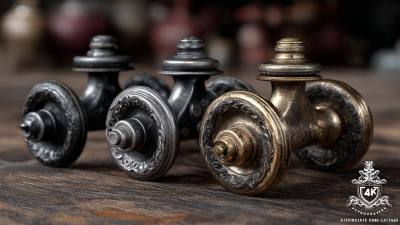
Antique Metal Casters can look like small details, yet they shape how a cabinet moves and how its age is read. A brass wheel beneath a walnut chest may show mellow wear, crisp spokes, and a darkened stem. Another may look similar in a photograph but have a loose joint or mismatched finish. Small differences matter.

A useful standard comes from William Morris, the Arts and Crafts designer, who said, “Have nothing in your houses that you do not know to be useful, or believe to be beautiful.” His words were not about casters specifically, but they fit the careful balance of function and appearance. This guide explores what to check when comparing antique metal casters for sale: material, wheel shape, mounting style, dimensions, condition, and evidence of repair. Measure the original fitting, inspect close-up images, and ask sellers about movement and damage. A clean shine is not proof of age. Nor is every worn wheel a sound purchase. Sometimes the honest answer is uncertain.

That uncertainty deserves attention. Antique parts can be irregular, and modern replacements may resemble older designs. We’ll look at practical clues without treating any single feature as conclusive. The aim is not to promise a perfect match. It is to help you choose casters that suit the furniture, move safely, and preserve its character. A little restraint helps. A rushed purchase can leave a beautiful cabinet sitting unevenly—or rolling when it should not.
Top Antique Metal Casters for Sale

What Antique Metal Casters Are and How They Were Used

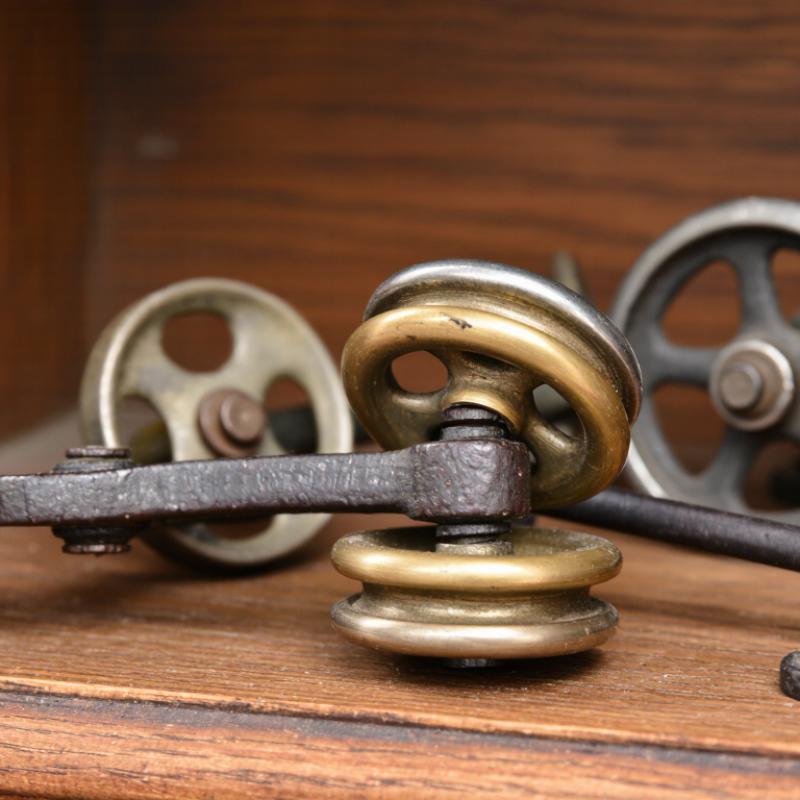
Antique metal casters are small wheel assemblies attached beneath furniture, trunks, and other movable objects. They typically combine a metal housing with one or more wheels made from metal, wood, or hard composition. Some casters turn in place; others roll only forward and backward. Their fittings may use a screw, a stem, or a flat mounting plate. Details vary by age and maker, so appearance alone cannot confirm a precise date.

These fittings helped people move heavy chairs, cabinets, and tables across floors without lifting them. A small brass wheel beneath a desk, for example, could make repositioning easier, though it might still leave marks on soft wood. On older examples, look for worn wheel edges, oxidation, loose joints, and mounting holes that match the furniture. Wear can offer clues. It is not proof of age by itself; replacement parts and later repairs complicate the story. That distinction is easy to miss. When considering antique metal casters for sale, check whether the wheels turn smoothly and whether the fittings suit the object. A caster can be historically interesting yet impractical on a delicate floor. Conversely, a slightly uneven surface may be part of its working history, not a flaw to “fix” too quickly.

Common Styles and Materials Found in Antique Casters

Top Antique Metal Casters for Sale

Antique casters vary in shape, movement, and finish. Common styles include fixed-plate wheels, swivel casters, and cup-shaped or hooded designs. Fixed casters travel in one direction, while swivel types turn more freely beneath furniture. A hooded caster partly covers its wheel, creating a neat profile under a chair or cabinet. Some early examples use a small ball instead of a wheel.

Small details matter. Check how the stem or plate attaches, since fittings can differ across furniture periods.

Materials offer useful clues, though appearance alone can mislead. Iron wheels and housings often show dark oxidation, softened edges, and visible tool marks. Brass and bronze components may develop warm brown or green patina, especially around joints. Some casters combine a metal frame with a wooden, leather, or porcelain wheel. A bright yellow surface is not proof of solid brass; plating and later polishing can change the look.

Not always. Examine hidden areas, fasteners, and the wheel’s wear pattern. A caster that rolls unevenly may have a bent axle, packed dirt, or a worn wheel. These clues help, but old repairs can blur the picture.

How to Assess Age, Condition, and Authenticity

Top Antique Metal Casters for Sale

Assessing age starts with construction, not a seller’s date. Examine the wheel, axle, fasteners, and mounting plate under bright, angled light. Hand-forged irregularities may support an early date, but later repairs can mimic age. Look for consistent wear where the wheel meets the floor, not just dark color. Patina alone proves little. Compare the caster’s shape and joinery with dated furniture or catalog illustrations, and record any uncertainty rather than forcing a precise year.

Condition affects both stability and value. Check for cracks around the stem, flattened wheel edges, loose joints, and fresh metal exposed beneath old coatings. The Canadian Conservation Institute’s Care of Metals in Collections guidance recommends keeping iron below 35% relative humidity and copper alloys below 55% to limit corrosion. These are useful storage benchmarks, not proof that an object is sound. A caster may look sturdy yet fail under a heavy cabinet. Avoid aggressive polishing; it can erase tool marks and surface evidence.

Authenticity rests on several clues working together. Compare dimensions, casting seams, wear patterns, and fastener types across the set. The U.S. National Park Service Museum Handbook emphasizes documenting an object’s condition and identifying features; clear photographs and measurements make that record useful. Ask for ownership history, but treat unsupported stories cautiously. Even experienced eyes can be wrong. A mismatched pair may still be old, just not original to the same piece of furniture.

Where to Find Antique Metal Casters for Sale

Antique metal casters turn up in architectural salvage shops, estate sales, and specialist antique stores. Salvage yards can be especially useful because you may inspect the wheel, stem, and mounting plate in person. Look closely. Check for cracks, bent fittings, and uneven wear. A dark finish may be original patina, or simply later paint. Ask the seller what they know about the piece, but treat dates and origins as estimates unless supported by records.

Online listings offer a wider selection, though photographs can hide important details. Search with specific terms such as “brass furniture caster” or “iron wheel caster,” then compare dimensions and construction. Ask for close-up images of the axle, socket, and underside. Request exact measurements before buying; a caster that looks right may not fit your furniture. Shipping can also add cost, especially for heavy sets.

At auctions and estate sales, bring a small ruler and note the required stem or plate size. If possible, test how freely the wheel turns. A little stiffness may come from old grease, but severe wobbling deserves caution. Matching sets are harder to find than single casters. That part takes patience. I have found that appearance alone is a poor guide; fit and condition matter more, even when the finish is not perfect.

How to Choose and Care for an Antique Caster

Top Antique Metal Casters for Sale

Choosing an antique caster begins with the furniture, not its shine. Measure the wheel diameter, stem, mounting plate, and clearance beneath the leg. Look for cracks, loose joints, flattened wheels, and fresh grinding that may hide repairs. Small clues matter. A caster that fits one leg may still sit unevenly on a warped floor. Check all four; old furniture rarely stays perfectly square.

For valuable pieces, weigh the furniture and contents, then ask a conservator or qualified restorer whether the casters can safely bear the load. Do not assume an antique wheel has a modern load rating. The Canadian Conservation Institute’s preventive-conservation guidance gives 40–60% relative humidity as a practical range for many collection materials; stable conditions help limit corrosion and wood movement. Wipe metal with a soft, dry cloth, and use a soft brush around the axle. Avoid soaking joints or polishing away patina. I would pause before adding oil: it can attract grit, and the right treatment depends on the metal and mechanism. Keep casters away from damp floors, and use discreet protective pads if rolling risks scratching the wheel or floor.

Top Antique Metal Casters for Sale - How to Choose and Care for an Antique Caster

Caster Style Common Materials Typical Uses What to Check Before Buying Care and Maintenance
Swivel Plate Caster Iron or steel housing, often with a metal wheel Cabinets, worktables, and other furniture that needs to turn in a small space Check that the swivel turns freely, the mounting plate is flat, and the wheel has no cracks or severe wear. Remove dust and grit from the swivel joint. Apply a small amount of suitable lubricant to moving parts, keeping it off finished surfaces.
Rigid Plate Caster Iron or steel frame with an iron, steel, or wood wheel Furniture that moves mainly in a straight line, such as long cabinets or benches Look for a straight frame, a secure wheel axle, and a wheel that rotates without binding. Keep the axle and wheel clean. Avoid forcing the caster sideways, as rigid casters are designed to roll in one direction.
Brass-Finish Caster Brass or brass-plated metal, sometimes paired with a wood or metal wheel Decorative furniture, small tables, and cabinets where appearance matters Determine whether the surface is solid brass or plating; inspect for worn-through plating, loose joints, and uneven wheel wear. Dust with a soft cloth. Avoid abrasive polish, which can remove plating or alter aged finishes; test any cleaner in an inconspicuous area.
Porcelain-Wheel Caster Metal fork or frame with a glazed ceramic wheel Light furniture on smooth indoor floors Inspect the wheel for chips, hairline cracks, and wobble. Ceramic wheels can break if struck or overloaded. Wipe gently with a damp cloth and dry thoroughly. Do not use a damaged wheel or expose it to sudden impact.
Wood-Wheel Caster Metal frame with a hardwood wheel Period furniture and indoor use on relatively smooth floors Check for splits, loose hubs, flat spots, and signs that the wheel has become distorted. Keep dry and clean. Avoid soaking or applying heavy oils; moisture can cause wood to swell or change shape.
Hooded or Cup Caster Often brass, iron, or steel, with a metal or ceramic wheel partly enclosed by a cup Furniture legs where the caster housing also provides a finished, protective appearance Measure the caster cup and furniture leg carefully. Check that the cup is not bent and that the wheel is secure inside it. Clean dust from inside the cup and inspect the wheel regularly. Use a soft brush to reach crevices without scratching the finish.

Buying tip: Measure the mounting plate, screw-hole spacing, caster height, and wheel diameter before choosing a replacement. Antique casters may have irregular dimensions, and their safe load capacity can be difficult to verify; do not assume an old caster is suitable for heavy or valuable furniture without inspection.